
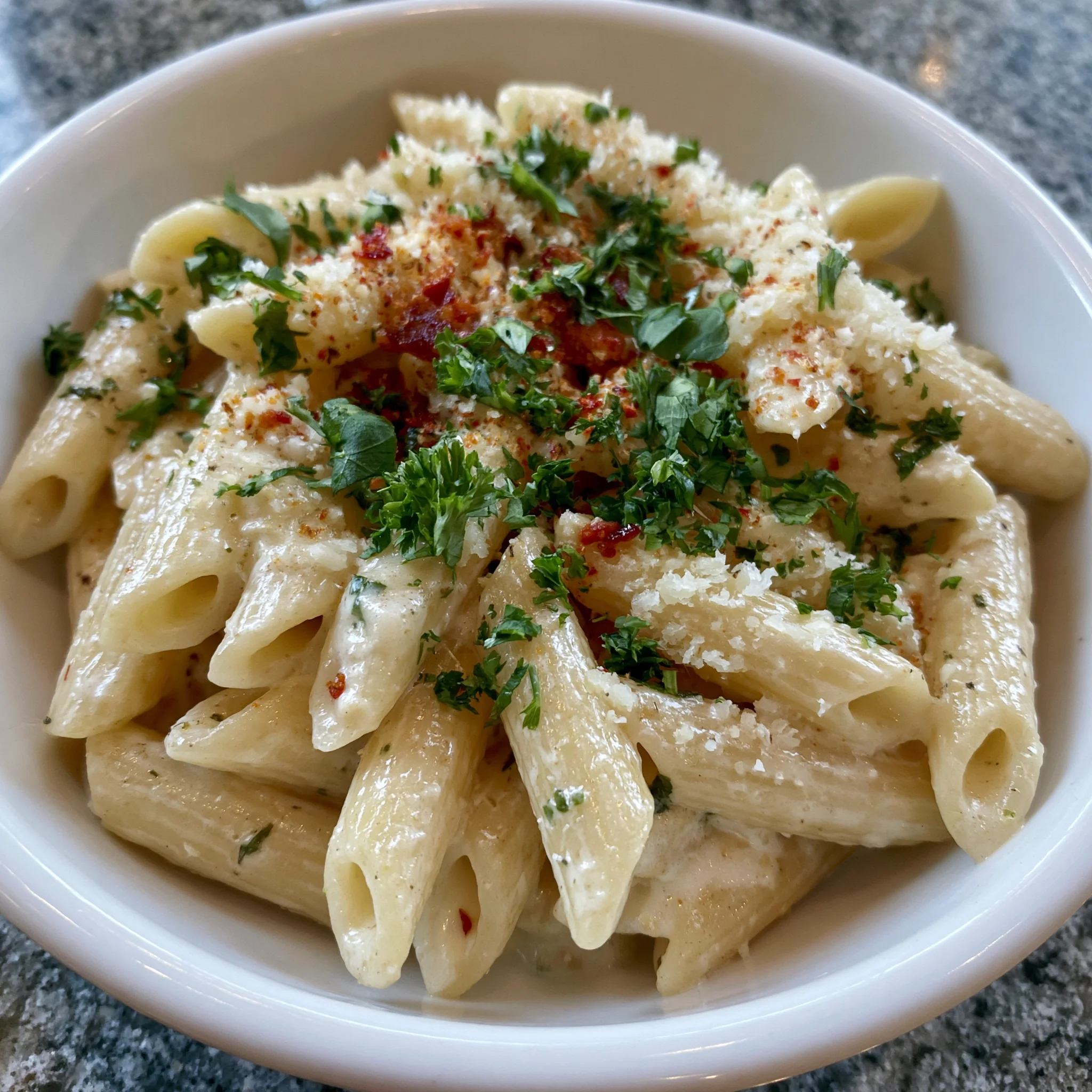
White sauce pasta is the ultimate comfort dish that turns simple ingredients into a creamy, luxurious experience. Every bite delivers silky richness balanced with gentle seasoning, making it a timeless favorite across all age groups and cuisines.
What sets this dish apart is its elegance in simplicity. A perfectly prepared white sauce coats each pasta piece evenly, creating a smooth, velvety texture that feels indulgent yet comforting. It is a restaurant-style dish you can easily recreate at home.
In professional kitchens, white sauce (béchamel) is considered a foundational preparation. Once mastered, it opens doors to countless variations, from baked pasta dishes to gourmet vegetable infusions, all built on the same creamy base.
This recipe focuses on precision, balance, and texture control. No lumps, no heaviness—just a perfectly smooth sauce that enhances pasta without overpowering it, delivering a refined and satisfying dining experience every time.
Table of Contents
Ingredients You’ll Need
Base Ingredients:
- Butter: 3 tbsp
- All-purpose flour: 3 tbsp
- Milk: 2 cups (warm)
- Garlic: 2 cloves (minced)
- Salt: 1 tsp
- Black pepper: ½ tsp
- Cooked pasta: 3 cups
- Cheddar cheese: ½ cup (optional but recommended)
Optional Add-ins:
- Oregano: 1 tsp
- Chili flakes: ½ tsp
- Mixed vegetables: ½ cup (boiled)
- Cream: 2 tbsp (for extra richness)
- Parsley: 1 tbsp (chopped)
Step-by-Step Intrusions
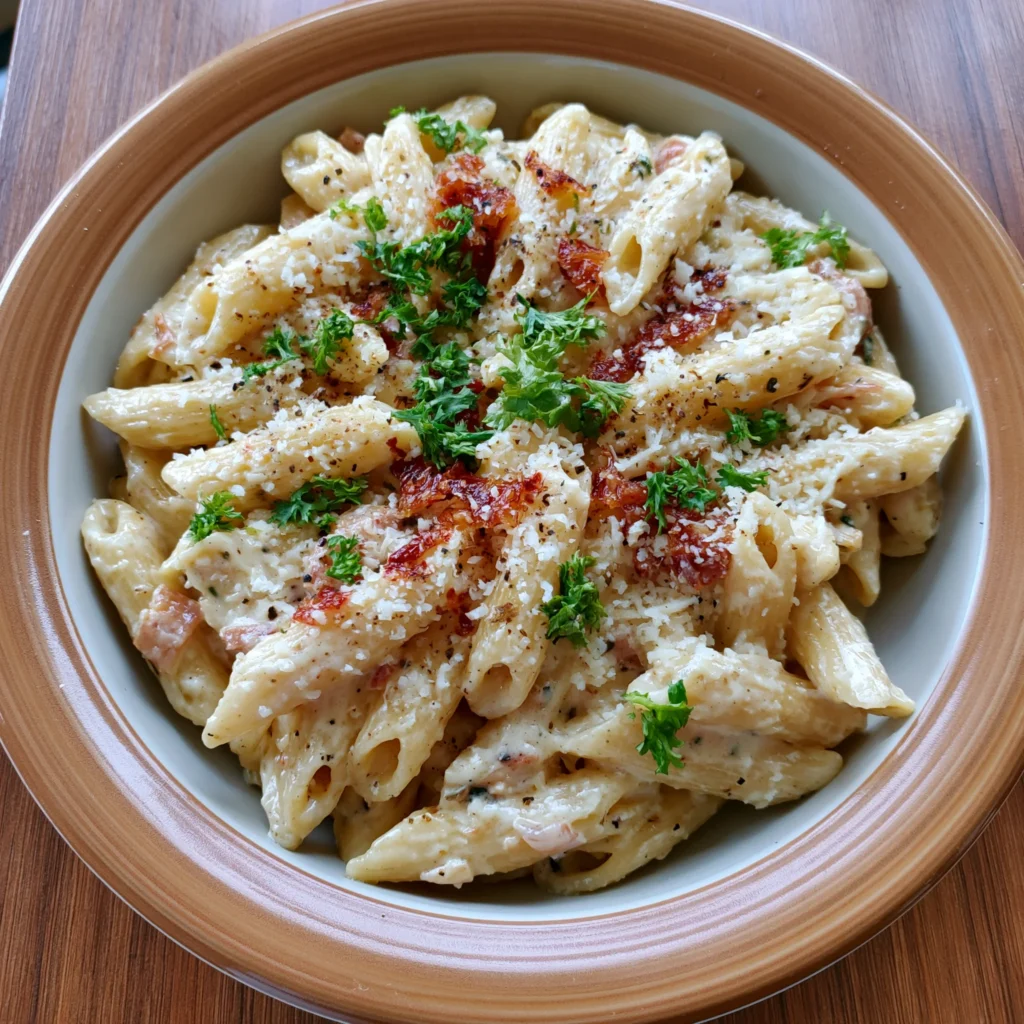
White Sauce Preparation and Base Building
Start by melting butter in a pan over low to medium heat. Add minced garlic and sauté lightly until fragrant without browning. This step builds the aromatic foundation of the sauce, ensuring depth without bitterness or overpowering garlic intensity.
Add all-purpose flour and stir continuously to form a smooth roux. Cook gently for 1–2 minutes to remove raw flour taste. The mixture should remain pale and smooth, creating the essential base for a creamy, lump-free white sauce consistency.
Milk Integration and Sauce Formation
Gradually pour warm milk into the roux while whisking constantly. This slow addition is critical to prevent lumps and ensure a silky texture. Keep stirring until the mixture begins to thicken into a smooth, velvety sauce.
Season with salt and black pepper, adjusting flavor gradually. The sauce should coat the back of a spoon without being too thick or too runny. Proper consistency ensures it blends perfectly with pasta for a creamy finish.
Pasta Blending and Final Finish
Add cooked pasta into the prepared white sauce and toss gently to coat evenly. Ensure every piece is covered in creamy sauce for balanced flavor distribution. Avoid overmixing to maintain pasta structure and texture.
Add optional cheese, oregano, or chili flakes for enhanced flavor. Allow the pasta to simmer briefly so the sauce clings well. The final dish should be creamy, glossy, and perfectly balanced in taste and texture.
Cook Time
Total: 25 minutes
Prep: 10 minutes
Bake: No baking required
Servings
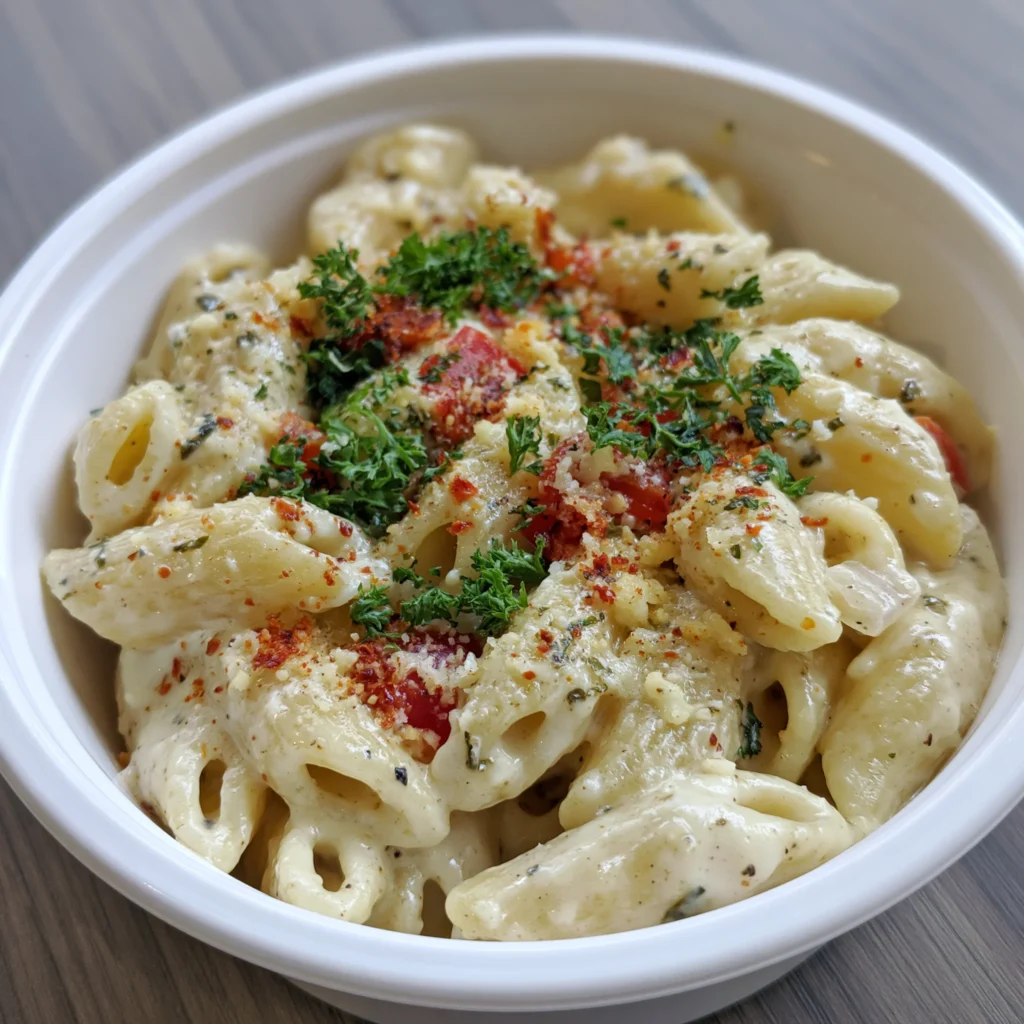
White sauce pasta is designed to serve as a comforting yet elegant meal suitable for both casual dining and special occasions. Its creamy texture makes it filling enough to stand alone as a complete dish.
Each serving delivers a balanced combination of carbohydrates, fats, and flavor, making it ideal for lunch or dinner. It appeals to both adults and children due to its mild and creamy taste profile.
This recipe yields approximately 3 to 4 generous servings. Portion sizes can be adjusted depending on appetite and whether it is served as a main course or side dish alongside other meals.
Common Mistake in White Sauce Pasta Preparation
One of the most common mistakes is adding cold milk directly into the roux. This causes lumps and breaks the smooth texture, resulting in an uneven and grainy sauce instead of a creamy finish.
Another frequent issue is cooking the roux on high heat. Excess heat burns the flour and butter mixture, creating a bitter taste that affects the overall flavor of the white sauce.
Improper whisking is also a major problem. If milk is not added slowly with continuous whisking, the sauce fails to emulsify properly, leading to separation and inconsistent texture throughout the dish.
Overcooking the sauce after it thickens can also ruin consistency. It becomes too dense and sticky, making it difficult for the pasta to coat evenly and reducing the creamy appeal of the dish.
Solution to Common Mistake in This Recipe
Always use warm milk instead of cold milk when preparing white sauce. This helps the ingredients blend smoothly and prevents lump formation, ensuring a silky and stable texture.
Maintain low to medium heat while cooking the roux. Gentle heat preserves flavor balance and prevents burning, allowing the flour to cook properly without developing bitterness.
Add milk slowly in small portions while whisking continuously. This technique ensures proper emulsification and creates a smooth, lump-free sauce with a professional finish.
Once the sauce thickens, remove it from heat immediately. This prevents over-reduction and maintains the ideal creamy consistency required for coating pasta evenly and beautifully.
Nutritional Information (approx. per serving)
- Calories: 320 kcal
- Fat: 14g
- Carbohydrates: 38g
- Protein: 10g
- Sodium: 280mg
- Calcium: Moderate
This dish provides a balanced energy boost due to its combination of carbohydrates and dairy-based fats. It is especially suitable for quick meals that require both comfort and nourishment.
The milk and cheese content contribute calcium and protein, supporting bone health and muscle maintenance. This makes the dish more than just indulgent—it also offers nutritional value.
When consumed in moderation, white sauce pasta can be part of a balanced diet. It provides sustained energy and satiety, making it ideal for lunch or early dinner meals.
The presence of garlic and herbs also adds mild antioxidant benefits, enhancing overall flavor while contributing small but meaningful health advantages.
Storage Instructions
White sauce pasta should be stored in an airtight container to maintain freshness and prevent drying. Proper sealing ensures the creamy texture is preserved for later consumption.
It can be refrigerated for up to 2 days. Beyond this, the sauce may thicken too much and lose its original creamy consistency when reheated.
When reheating, add a small amount of milk to restore creaminess. Heat gently on low flame while stirring to avoid separation and maintain smooth texture.
Avoid freezing white sauce pasta as dairy-based sauces tend to separate after thawing. This affects both texture and flavor, making it less enjoyable.
Suggestions
For enhanced flavor, add sautéed mushrooms or grilled chicken to make the dish more filling and protein-rich. This transforms it into a complete meal.
You can also experiment with different cheeses like mozzarella or parmesan for varied taste profiles. Each cheese adds a unique creamy depth.
Serving immediately after cooking ensures the best texture. Freshly made white sauce pasta has a smoother and more appealing consistency than reheated portions.
Pair it with garlic bread or fresh salad for a balanced meal. This combination enhances both texture contrast and overall dining experience.
Seasonal Relevance
White sauce pasta is suitable for all seasons, but it is especially comforting during cooler months when warm, creamy dishes are preferred.
In winter, its rich texture provides warmth and satisfaction, making it a popular choice for cozy family meals and indoor dining.
During summer, lighter versions can be prepared by reducing cheese and cream, making it more refreshing while still maintaining flavor balance.
It also works well for festive occasions and casual gatherings due to its universal appeal and easy adaptability to different ingredients.
Final Words
White sauce pasta is a perfect example of how simplicity can deliver elegance. Its creamy texture and balanced flavor make it a universal comfort food.
When prepared correctly, it offers a restaurant-quality experience at home with minimal ingredients and maximum satisfaction in every bite.
Mastering the white sauce technique elevates not only this dish but also many other pasta and baked recipes in your kitchen repertoire.
This recipe is a reliable choice for anyone seeking a quick, creamy, and deeply satisfying meal that never fails to impress.
Frequently Asked Questions
Can I use whole wheat pasta instead of regular pasta?
Yes, whole wheat pasta can be used as a healthier alternative. It adds more fiber and nutrients while still pairing well with white sauce. However, it may slightly change the texture and flavor, giving a nuttier taste compared to traditional refined pasta.
Why does my white sauce become too thick after cooking?
White sauce thickens as it cools due to starch and fat structure. If it becomes too thick, simply add a small amount of warm milk and stir well. This restores the creamy consistency without affecting flavor or texture balance.
Can I make white sauce pasta without cheese?
Yes, cheese is optional in white sauce pasta. The sauce remains creamy and flavorful without it. Cheese mainly enhances richness and depth, but the base béchamel sauce itself is sufficient to deliver a smooth and satisfying pasta dish.
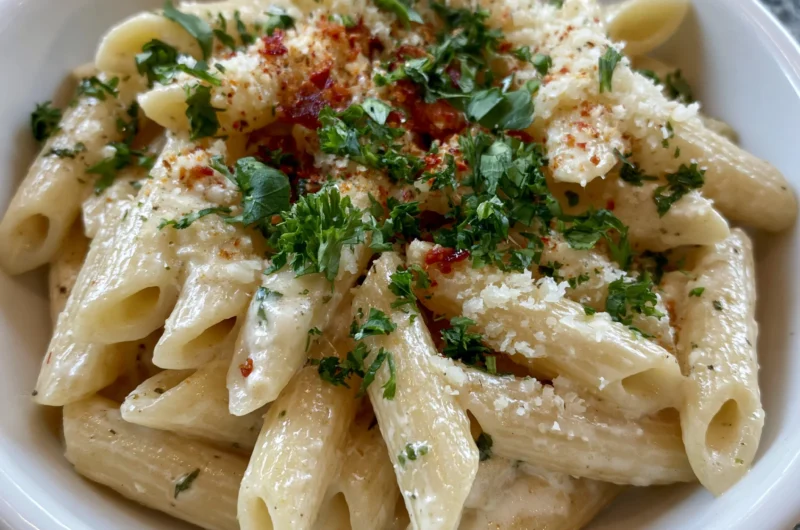
White Sauce Pasta Recipe That’s Creamy & Easy to Make
4
servings10
minutes25
minutes320
kcalWhite sauce pasta is a creamy, comforting dish made with a smooth béchamel sauce, butter, milk, and pasta. This easy recipe delivers a rich, velvety texture with balanced seasoning, making it a perfect homemade comfort meal for any occasion.
Ingredients
Butter: 3 tbsp
All-purpose flour: 3 tbsp
Milk: 2 cups (warm)
Garlic: 2 cloves (minced)
Salt: 1 tsp
Black pepper: ½ tsp
Cooked pasta: 3 cups
Cheddar cheese: ½ cup (optional but recommended)
Optional Add-ins:
Oregano: 1 tsp
Chili flakes: ½ tsp
Mixed vegetables: ½ cup (boiled)
Cream: 2 tbsp (for extra richness)
Parsley: 1 tbsp (chopped)
Directions
- Melt butter in a pan and sauté garlic until fragrant.
- Add flour and cook to form a smooth roux.
- Slowly add warm milk while whisking continuously.
- Cook until sauce thickens and becomes creamy.
- Season with salt, pepper, and optional spices.
- Add cooked pasta and mix until fully coated.
- Simmer briefly, then serve hot and creamy.
Recipe Video
Notes
- Always use warm milk to avoid lumps in sauce.
- Cook roux on low heat to prevent bitterness.
- Stir continuously while adding milk for smooth texture.
- Adjust thickness by adding more milk if needed.
- Serve immediately for best creamy consistency.