
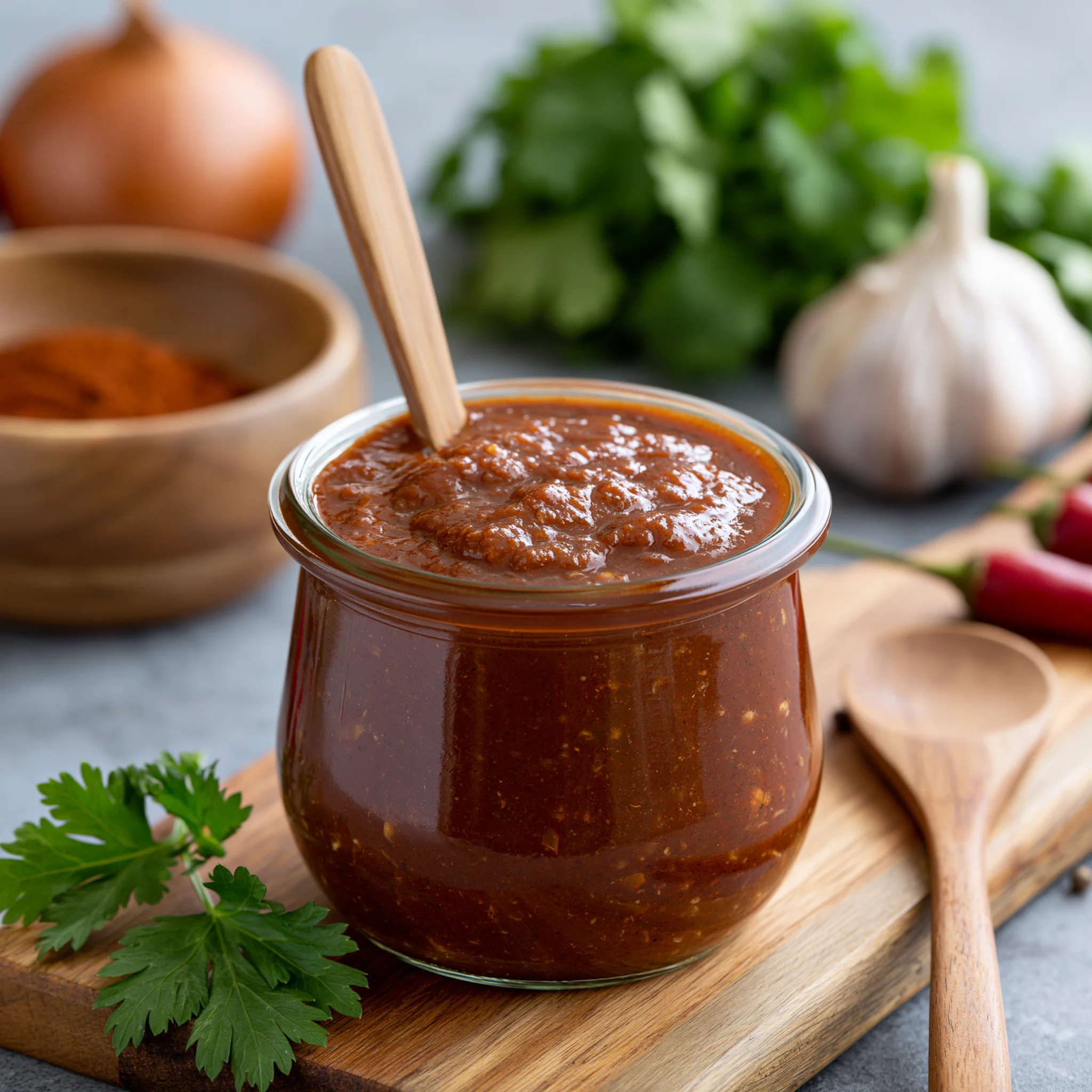
Enchilada sauce is the backbone of authentic Mexican cuisine, where depth of flavor defines every bite. A well-made sauce transforms simple dishes into rich, restaurant-quality meals that feel bold, warm, and unforgettable.
Unlike store-bought versions, homemade enchilada sauce delivers true control over spice, smokiness, and texture. It is crafted to bring balance, never too sharp, never too mild, just a perfectly layered taste that enhances every enchilada it touches.
This sauce is built on roasted spices, tomato richness, and carefully balanced seasoning. When prepared correctly, it creates a silky, deeply flavored base that clings beautifully to tortillas and fillings without overpowering them.
In professional kitchens, enchilada sauce is considered a foundation recipe. Once mastered, it elevates not only enchiladas but also burritos, casseroles, and even grilled dishes with effortless depth and authenticity.
Table of Contents
Ingredients You’ll Need
Base Ingredients:
- Vegetable oil: 3 tbsp
- All-purpose flour: 2 tbsp
- Chili powder: 3 tbsp
- Garlic powder: 1 tsp
- Onion powder: 1 tsp
- Ground cumin: 1 tsp
- Tomato paste: 2 tbsp
- Vegetable broth: 2 cups
- Salt: 1 tsp
- Black pepper: ½ tsp
Optional Add-ins:
- Smoked paprika: 1 tsp
- Crushed red chili flakes: ½ tsp
- Oregano: 1 tsp
- Sugar: ½ tsp (to balance acidity)
Step-by-Step Intrusions
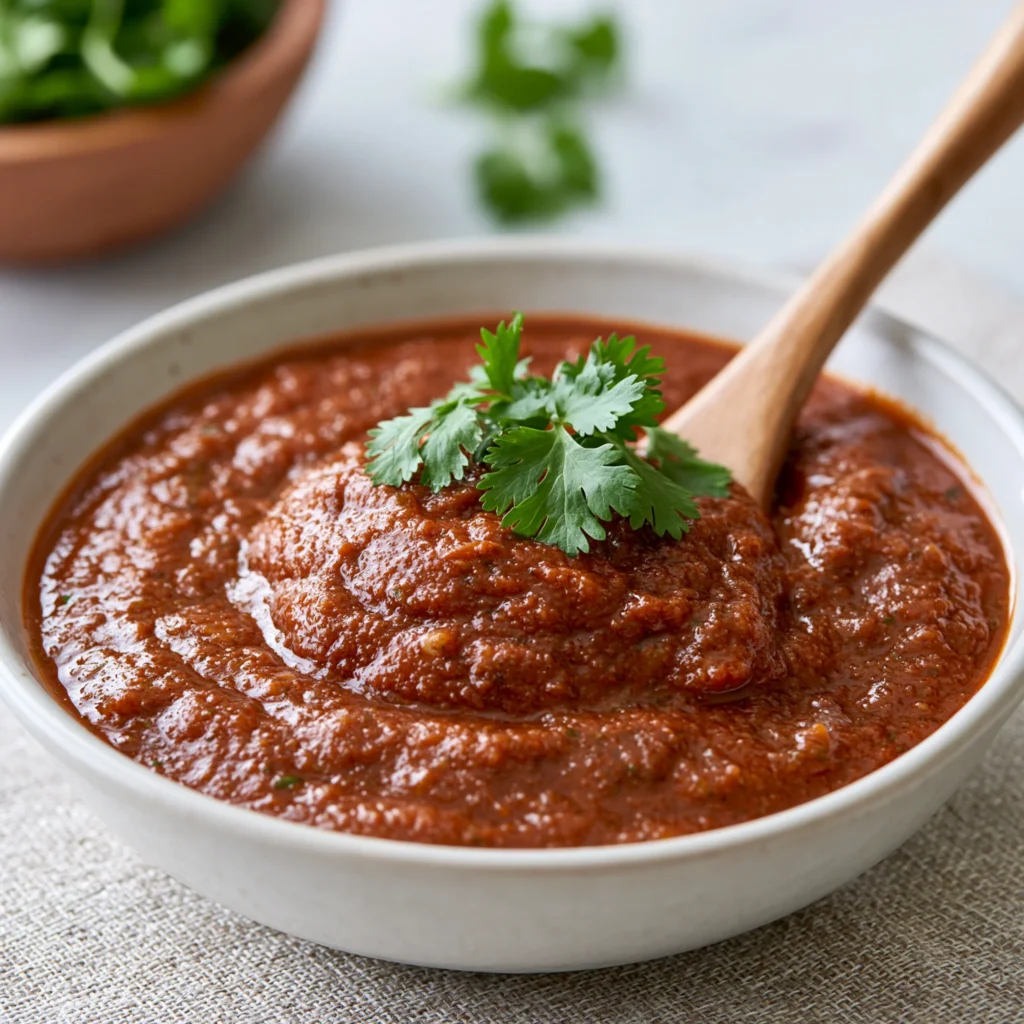
Flavor Base Development
Heat vegetable oil in a pan over medium flame until warm but not smoking. Add flour and stir continuously to form a smooth roux. Cook gently until it turns lightly golden, ensuring the raw flour taste is fully removed while maintaining a smooth texture.
This step builds the foundation of the sauce’s body. The roux must be cooked carefully to avoid burning, as it directly impacts flavor depth. A properly prepared base ensures the enchilada sauce becomes silky, stable, and rich without any grainy texture or bitterness.
Spice Activation and Depth Building
Add chili powder, garlic powder, onion powder, cumin, and optional smoked paprika into the roux. Stir continuously to release aroma and toast the spices gently. This process unlocks deep, earthy flavors that define authentic enchilada sauce character.
Allow spices to bloom for a few seconds without burning. This controlled heat enhances complexity and removes raw spice edges. The mixture should become aromatic, thick, and deeply colored, forming the heart of the sauce’s signature flavor profile.
Sauce Formation and Simmering
Stir in tomato paste and gradually add vegetable broth while whisking to prevent lumps. Keep heat medium and allow the mixture to simmer slowly until it thickens into a smooth, velvety sauce.
Season with salt, pepper, and optional sugar to balance acidity. Continue simmering until the sauce reaches a rich, pourable consistency. Proper simmering ensures full flavor integration and a polished, restaurant-style finish.
Cook Time
Total: 25 minutes
Prep: 10 minutes
Bake: No baking required
Servings
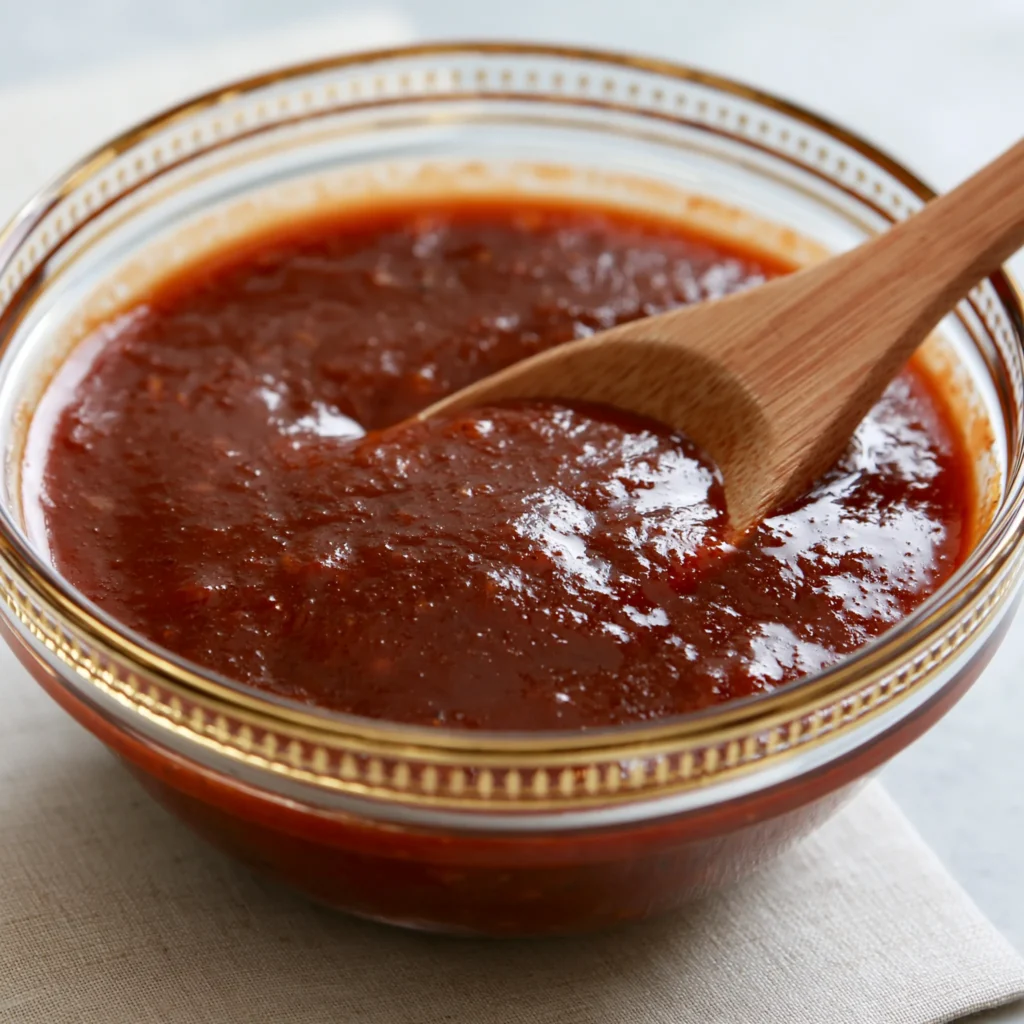
Enchilada sauce is designed as a flavor-enhancing base rather than a standalone dish. It is typically used in moderate portions to coat enchiladas, casseroles, and Mexican-inspired meals, ensuring every bite carries rich, balanced seasoning.
Its bold yet smooth profile means a small amount goes a long way. The sauce evenly distributes across layered dishes, creating consistent flavor depth without overpowering the fillings or tortillas used in preparation.
This recipe yields approximately 2 to 2.5 cups of sauce, enough for multiple servings depending on dish size. It is ideal for family meals, meal prep, or batch cooking for versatile use throughout the week.
Common Mistake in Enchilada Sauce Preparation
One of the most common mistakes is burning the roux. When flour and oil are overheated or left unattended, they develop a bitter taste that permanently affects the sauce’s flavor profile and ruins its smooth texture.
Another frequent issue is adding spices too late. Spices must be bloomed early in the cooking process to release their full aroma. Adding them later results in a flat, underdeveloped flavor that lacks depth.
Lumpy texture is also a common problem. This happens when broth is added too quickly without proper whisking. It creates uneven consistency and reduces the professional, silky finish expected from enchilada sauce.
Lastly, incorrect seasoning balance can overpower the sauce. Too much salt or chili powder can dominate the dish, while too little results in a bland base that fails to enhance the final meal.
Solution to Common Mistake in This Recipe
To prevent burning, always cook the roux on medium or low heat while stirring continuously. This ensures even cooking and develops a nutty, smooth base without bitterness or discoloration.
For proper spice flavor, always add spices early and toast them gently in oil and flour. This technique releases essential oils, enhancing aroma and creating a deep, layered flavor profile.
To avoid lumps, add broth slowly while whisking constantly. Gradual incorporation ensures a smooth consistency and allows the sauce to thicken evenly without forming clumps or separation.
For balanced seasoning, always taste gradually during cooking. Adjust salt, chili, and sweetness in small increments to maintain harmony and ensure a well-rounded, professional-quality enchilada sauce.
Nutritional Information (approx. per serving)
- Calories: 70 kcal
- Fat: 4g
- Carbohydrates: 7g
- Protein: 1g
- Sodium: 220mg
- Fiber: 1g
This sauce supports flavorful cooking without excessive calories, making it suitable for balanced meal plans. Its tomato base provides antioxidants that contribute to overall wellness and cellular protection.
Spices such as chili and cumin help boost metabolism slightly while enhancing digestion. This makes the sauce both flavorful and functionally beneficial when consumed in moderation.
Low in fat and free from heavy additives, it serves as a cleaner alternative to processed sauces. It enhances meals without adding unnecessary heaviness or artificial ingredients.
Storage Instructions
Enchilada sauce should be stored in an airtight container to maintain freshness and prevent contamination. Proper sealing ensures the sauce retains its bold flavor and smooth texture during refrigeration.
It can be safely stored in the refrigerator for up to 5 days. Over time, flavors may deepen slightly, making it even richer when reheated properly before use.
Always allow the sauce to cool completely before storing. Hot storage can create condensation, which may affect texture and reduce overall shelf stability.
Reheat gently on low heat while stirring to restore original consistency. Avoid high heat to prevent separation or burning of the sauce base.
Suggestions
For deeper flavor, allow the sauce to rest for a few hours before use. This resting period enhances spice integration and improves overall richness.
It pairs perfectly with enchiladas, burritos, tacos, and casseroles. Its versatility makes it a core component in Mexican-inspired cooking at home or professionally.
You can adjust heat levels by increasing or reducing chili powder or red pepper flakes. This allows customization for different spice preferences.
For a smoky twist, add a small amount of smoked paprika. It enhances depth and adds a subtle restaurant-style complexity to the sauce.
Seasonal Relevance
Enchilada sauce is ideal for year-round cooking, but it is especially popular in colder months when warm, hearty meals are preferred.
During winter, its rich and spicy profile complements baked dishes and comfort food, adding warmth and depth to family meals.
In summer, it can be lightened by reducing spice levels, making it suitable for fresh wraps and grilled vegetable dishes.
Festive seasons also highlight its importance in large family gatherings, where it serves as a base for multiple shared dishes.
Final Words
Enchilada sauce is more than a recipe—it is a culinary foundation that defines authentic Mexican flavor. Mastering it elevates everyday cooking into something memorable and refined.
Its balance of spice, tomato richness, and aromatic depth creates a versatile sauce that adapts to countless dishes with ease and elegance.
When prepared correctly, it delivers consistency, boldness, and smooth texture that rivals professional kitchen standards without complexity.
This recipe empowers home cooks to create restaurant-quality flavor from scratch, turning simple meals into bold culinary experiences.
Frequently Asked Questions
Can enchilada sauce be made less spicy for mild dishes?
Yes, the heat level can be easily adjusted by reducing chili powder and omitting red pepper flakes. The sauce will still maintain its depth of flavor due to spices like cumin and garlic powder, ensuring a balanced and mild version suitable for all palates.
Can I use water instead of vegetable broth in enchilada sauce?
Yes, water can be used, but vegetable broth is recommended for richer flavor. Broth enhances depth and complexity, while water produces a lighter taste. If using water, consider increasing seasoning slightly to maintain balance and overall flavor strength in the sauce.
Is enchilada sauce suitable for freezing?
Yes, enchilada sauce freezes well when stored properly in airtight containers. It should be cooled completely before freezing. When thawed, reheat slowly while stirring to restore consistency. Freezing may slightly deepen flavor but will not affect overall quality when handled correctly.
Enchilada Sauce Recipe So Flavorful
6
servings10
minutes25
minutes70
kcalEnchilada sauce is a rich, flavorful Mexican-style sauce made with chili powder, tomato paste, and warm spices. This homemade version delivers deep, smoky flavor and smooth texture, perfect for enchiladas, burritos, casseroles, and other authentic Mexican dishes.
Ingredients
Vegetable oil: 3 tbsp
All-purpose flour: 2 tbsp
Chili powder: 3 tbsp
Garlic powder: 1 tsp
Onion powder: 1 tsp
Ground cumin: 1 tsp
Tomato paste: 2 tbsp
Vegetable broth: 2 cups
Salt: 1 tsp
Black pepper: ½ tsp
Optional Add-ins:
Smoked paprika: 1 tsp
Crushed red chili flakes: ½ tsp
Oregano: 1 tsp
Sugar: ½ tsp (to balance acidity)
Directions
- Heat vegetable oil in a pan and whisk in flour to form a smooth roux.
- Cook until lightly golden, stirring continuously to avoid burning.
- Add chili powder, garlic powder, onion powder, cumin, and optional spices.
- Stir well to release aroma and deepen flavor.
- Mix in tomato paste and slowly add vegetable broth while whisking.
- Simmer until sauce thickens and becomes smooth and rich.
- Season with salt, pepper, and optional sugar to balance taste.
Recipe Video
Notes
- Always cook roux on medium heat to avoid bitterness.
- Add spices early for deeper flavor development.
- Whisk broth slowly to prevent lumps in sauce.
- Adjust chili level based on spice preference.
- Sauce thickens more as it cools, so don’t over-reduce.