
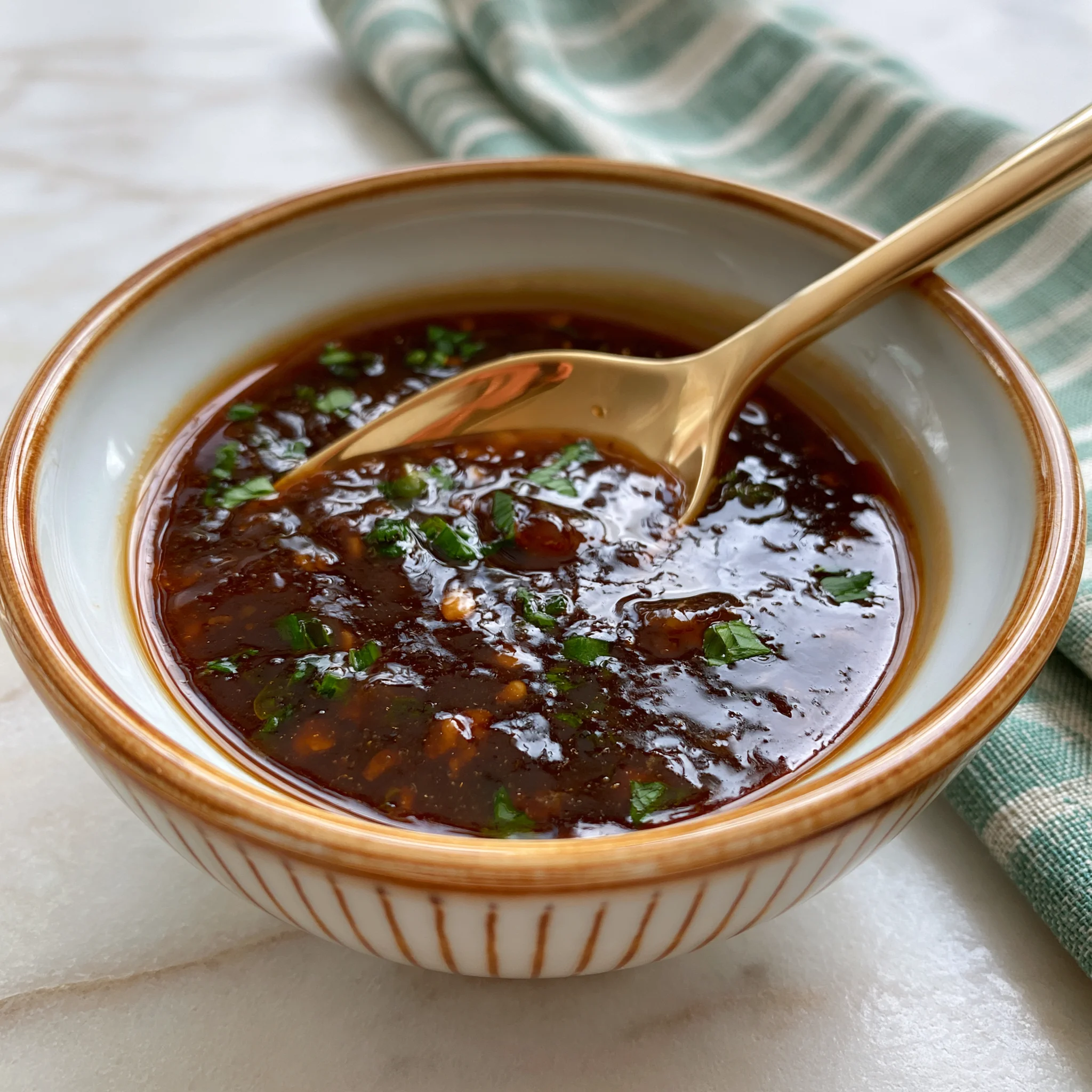
Stir fry sauce is the secret weapon behind every unforgettable Asian-style dish. It is the fine balance of sweet, salty, umami, and depth that transforms simple vegetables, noodles, or proteins into restaurant-quality meals within minutes.
Unlike store-bought versions loaded with preservatives, a homemade stir fry sauce gives you full control over flavor intensity and freshness. Every ingredient works together to create a glossy, rich coating that clings beautifully to food.
In professional kitchens, this sauce is considered a foundational element. It is not just a condiment but a technique-based preparation that defines the final taste, aroma, and visual appeal of stir-fried dishes.
This recipe is designed for speed, consistency, and bold flavor. Whether you’re cooking chicken, beef, tofu, or vegetables, this sauce ensures every bite carries depth, balance, and authentic takeout-style perfection.
Table of Contents
Ingredients You’ll Need
Base Ingredients:
- Soy sauce: ¼ cup
- Oyster sauce: 2 tbsp
- Cornstarch: 1 tbsp
- Brown sugar: 1 tbsp
- Garlic: 3 cloves (minced)
- Ginger: 1 tsp (grated)
- Rice vinegar: 1 tbsp
- Water or broth: ½ cup
- Sesame oil: 1 tsp
Optional Add-ins:
- Chili flakes: ½ tsp
- Honey: 1 tbsp (for extra sweetness)
- Green onions: 1 tbsp (chopped)
- Black pepper: ¼ tsp
Step-by-Step Intrusions
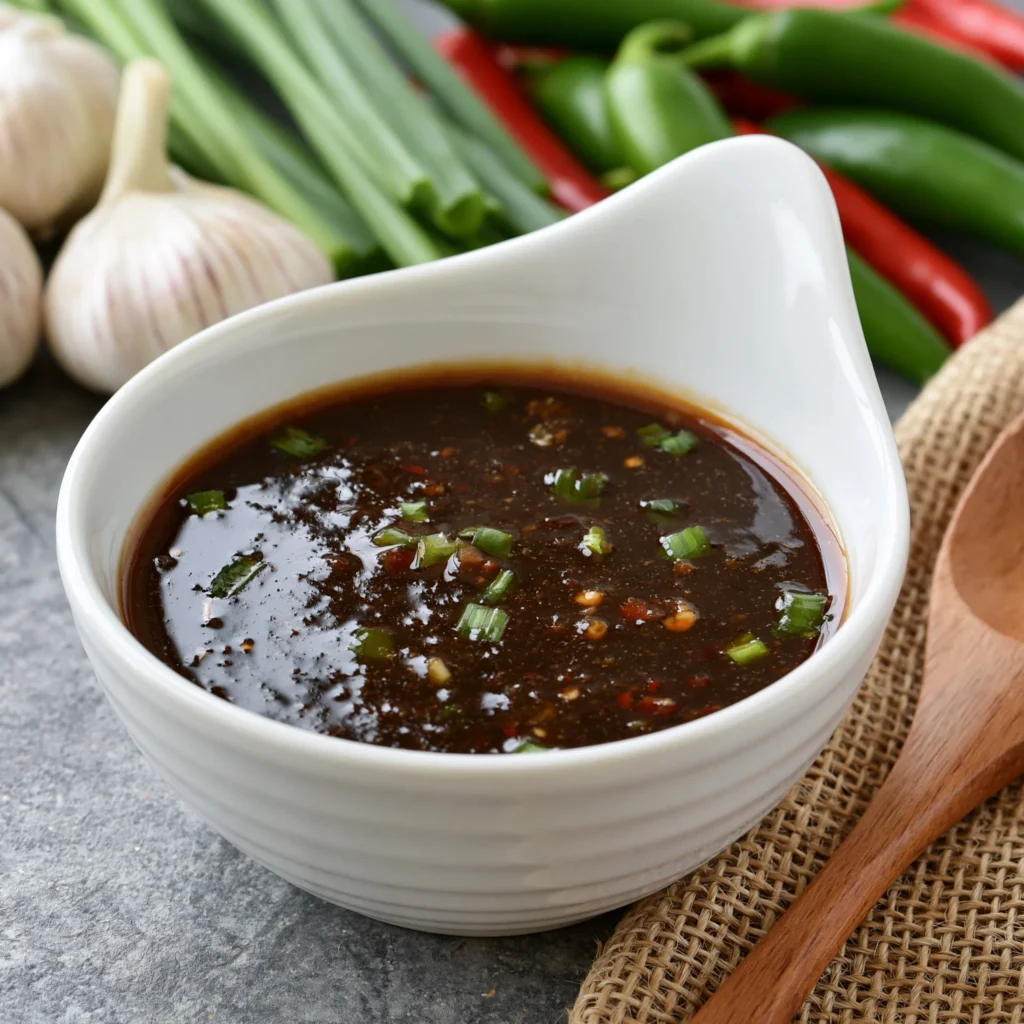
Flavor Base and Aromatic Foundation
In a bowl, combine soy sauce, oyster sauce, rice vinegar, and brown sugar. Whisk until the sugar fully dissolves and the mixture becomes smooth and unified. This forms the deep umami base of the stir fry sauce.
Add minced garlic and grated ginger into the mixture. These aromatics build the signature fragrance that defines restaurant-style stir fry dishes. Ensure even distribution so every spoonful carries balanced flavor intensity and depth.
Thickening and Texture Development
Dissolve cornstarch in water or broth before adding it to the sauce mixture. Stir continuously to avoid lumps and ensure smooth consistency. This step is essential for achieving the glossy coating texture.
Heat the mixture gently until it begins to slightly thicken. The sauce should develop a silky, pourable consistency that clings well to vegetables and proteins without becoming overly sticky or heavy.
Final Flavor Adjustment and Finishing
Add sesame oil for aroma and richness, enhancing the overall depth of flavor. This final touch gives the sauce its signature restaurant-style finish and smooth mouthfeel.
Adjust seasoning with optional chili flakes, honey, or black pepper. Balance is key—taste carefully until the sauce reaches a perfect harmony of sweet, salty, and savory notes.
Cook Time
Total: 10 minutes
Prep: 5 minutes
Bake: No baking required
Servings
Stir fry sauce is a versatile culinary base designed to enhance a wide variety of dishes. It is typically used in small quantities but delivers strong flavor impact across vegetables, meats, and noodles.
Each serving adds a glossy coating and deep umami richness that elevates everyday cooking into a takeout-style experience. It blends seamlessly with high-heat stir-fried ingredients.
This recipe yields approximately 1 cup of sauce, enough for 3 to 4 generous stir fry dishes depending on portion size and ingredient volume used in cooking.
Common Mistake in Stir Fry Sauce Preparation
One of the most common mistakes is adding cornstarch directly into the sauce without dissolving it first. This leads to lumps and uneven texture that ruin the smooth consistency required for proper coating.
Another frequent issue is using too much soy sauce without balancing sweetness or acidity. This results in an overly salty flavor that overpowers vegetables and proteins instead of enhancing them.
Skipping aromatics like garlic and ginger is also a major mistake. Without these ingredients, the sauce lacks depth and fails to deliver authentic restaurant-style fragrance and complexity.
Overheating the sauce is another problem. Excess heat can break the balance of flavors and make the sauce too thick or sticky, reducing its ability to coat food evenly.
Solution to Common Mistake in This Recipe
Always dissolve cornstarch in cold water or broth before adding it to the sauce. This ensures a smooth, lump-free consistency and helps achieve the ideal glossy finish.
Balance soy sauce with brown sugar or honey to control saltiness. This creates a well-rounded flavor profile that enhances rather than dominates the dish.
Always include fresh garlic and ginger for authentic depth. These aromatics should be lightly cooked or infused to release maximum flavor without bitterness.
Cook the sauce gently on low heat only until it thickens slightly. Avoid boiling aggressively to preserve flavor balance and maintain smooth texture.
Nutritional Information (approx. per serving)
- Calories: 45 kcal
- Carbohydrates: 7g
- Sugar: 4g
- Sodium: 480mg
- Fat: 1g
- Protein: 1g
This sauce provides low-calorie flavor enhancement, making it ideal for controlled diet meals without compromising taste. It adds richness without heavy fats or excessive calories.
Soy sauce contributes umami depth while ginger and garlic support digestion and immune health with natural antioxidant properties.
The sauce enhances nutrient intake by encouraging vegetable consumption through improved flavor appeal and overall meal satisfaction.
Its balanced composition makes it a smart addition to everyday cooking when used in moderation.
Storage Instructions
Stir fry sauce should be stored in a clean, airtight glass container to preserve freshness and prevent flavor contamination from other foods in the refrigerator.
It remains fresh for up to 5–7 days when properly refrigerated. Always check consistency before reuse as slight thickening may occur over time.
Shake or stir well before using, as natural separation may happen during storage. This ensures uniform texture and balanced flavor distribution.
Avoid leaving the sauce at room temperature for long periods, as it contains fresh ingredients that can lose quality and safety quickly.
Suggestions
For a richer flavor, let the sauce rest for a few hours before use. This allows ingredients to fully blend and deepen in taste.
Use it with chicken, beef, tofu, or mixed vegetables for versatile meal preparation. It adapts well to different proteins and cooking styles.
Add chili flakes or sriracha for a spicier version that enhances heat without compromising balance or texture.
Pair with steamed rice or noodles for a complete takeout-style meal experience at home.
Seasonal Relevance
Stir fry sauce is ideal year-round due to its versatility and quick preparation, making it suitable for both light summer meals and hearty winter dishes.
In summer, it pairs well with fresh vegetables, creating light and nutritious stir fry combinations that are easy to digest.
During colder months, it enhances warm, comforting dishes like noodles and meat stir-fries, adding richness and depth.
It is also perfect for festive cooking when quick, flavorful meals are needed for family gatherings or celebrations.
Final Words
Stir fry sauce is the foundation of fast, flavorful cooking that brings restaurant-quality taste into everyday home kitchens with minimal effort.
Its balance of umami, sweetness, and aroma makes it one of the most essential sauces in modern cooking techniques.
When prepared correctly, it enhances texture, flavor, and visual appeal of any stir-fried dish effortlessly.
This recipe gives you full control over taste, allowing you to create bold, consistent, and highly satisfying meals every time.
Frequently Asked Questions
Can stir fry sauce be used as a marinade?
Yes, stir fry sauce works excellently as a marinade for chicken, beef, tofu, or vegetables. It enhances flavor penetration due to its balanced salt, sweetness, and umami profile. For best results, marinate ingredients for at least 30 minutes before cooking for deeper taste infusion.
Can I make stir fry sauce gluten-free?
Yes, you can easily make it gluten-free by replacing regular soy sauce with tamari or gluten-free soy sauce. All other ingredients remain the same. This substitution maintains flavor while making the sauce suitable for gluten-sensitive diets without compromising taste or texture.
Why does my stir fry sauce turn too thick after cooking?
Stir fry sauce thickens due to cornstarch activation under heat. If it becomes too thick, simply add a small amount of water or broth while stirring. This restores smooth consistency and ensures the sauce coats ingredients evenly without becoming sticky or heavy.
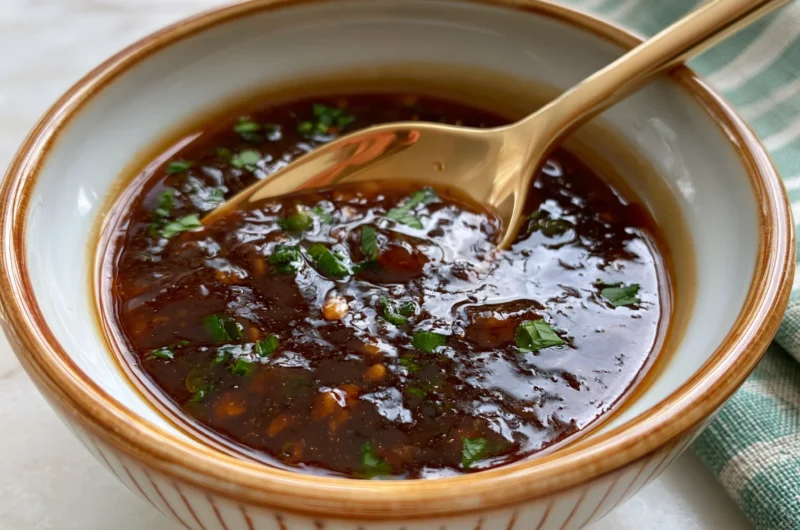
Stir Fry Sauce Recipe Better Than Takeout
4
servings5
minutes10
minutes45
kcalStir fry sauce is a quick, flavorful Asian-style sauce made with soy sauce, garlic, ginger, and umami-rich ingredients. This homemade version delivers a glossy, balanced taste that perfectly coats vegetables, noodles, and proteins for authentic takeout-style meals.
Ingredients
Soy sauce: ¼ cup
Oyster sauce: 2 tbsp
Cornstarch: 1 tbsp
Brown sugar: 1 tbsp
Garlic: 3 cloves (minced)
Ginger: 1 tsp (grated)
Rice vinegar: 1 tbsp
Water or broth: ½ cup
Sesame oil: 1 tsp
Optional Add-ins:
Chili flakes: ½ tsp
Honey: 1 tbsp (for extra sweetness)
Green onions: 1 tbsp (chopped)
Black pepper: ¼ tsp
Directions
- Mix soy sauce, oyster sauce, rice vinegar, and brown sugar in a bowl.
- Add minced garlic and grated ginger, stir well.
- Dissolve cornstarch in water or broth separately.
- Combine cornstarch mixture with sauce ingredients.
- Heat gently until slightly thickened.
- Add sesame oil and optional spices for flavor balance.
- Stir and use immediately in stir fry dishes.
Recipe Video
Notes
- Always dissolve cornstarch before cooking to avoid lumps.
- Balance saltiness with sugar or honey if needed.
- Use fresh garlic and ginger for best aroma.
- Do not overheat sauce to maintain smooth texture.
- Store in airtight container for up to 7 days.