
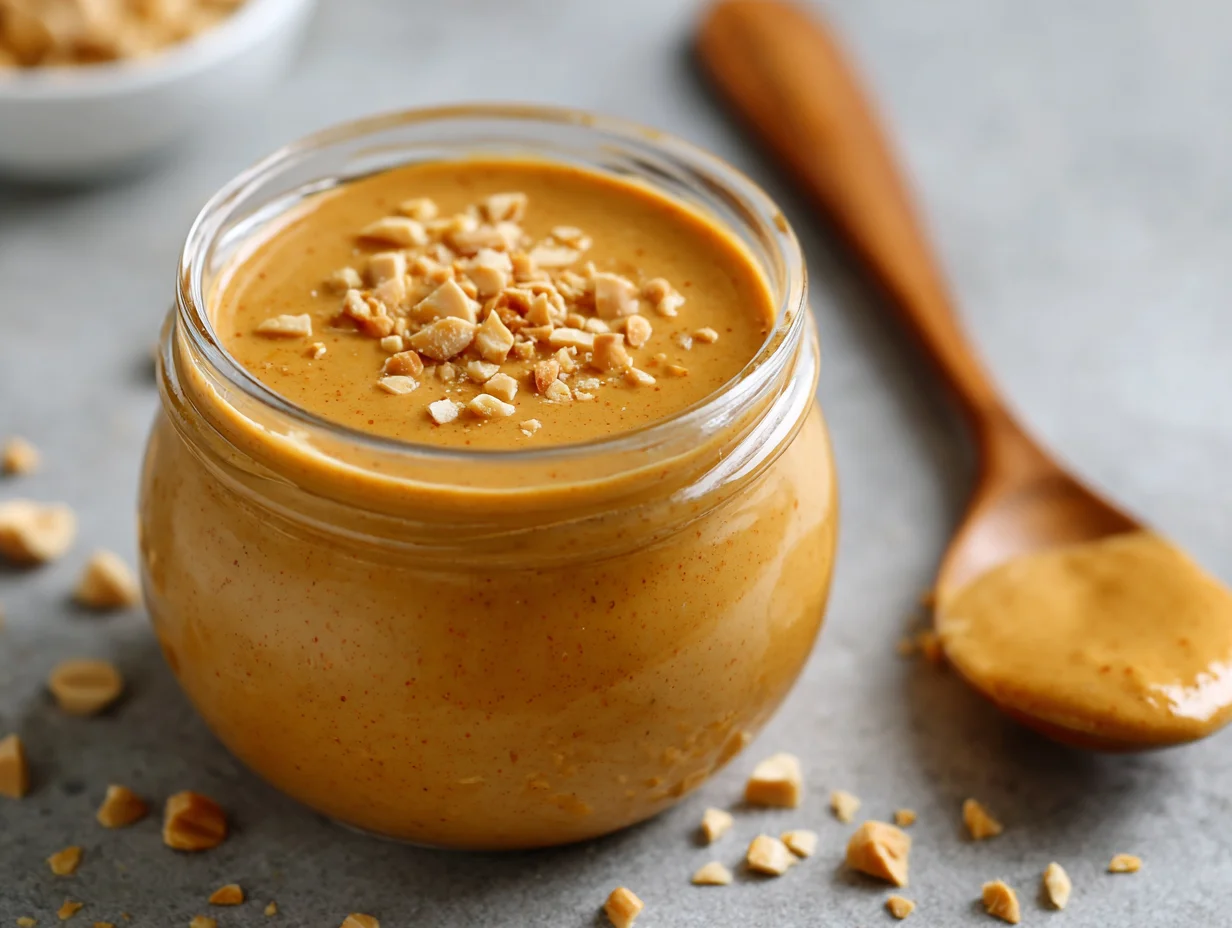
Peanut sauce is a rich, creamy, and deeply flavorful condiment that brings a perfect balance of nuttiness, sweetness, and savory depth. Widely used in Asian cuisine, it transforms simple dishes into bold, restaurant-quality meals.
What makes this sauce exceptional is its smooth texture combined with complex flavor layers. The natural richness of peanut butter blends beautifully with soy sauce, garlic, and a hint of sweetness, creating a versatile and addictive dip.
This homemade version is designed for perfect consistency and balance. Whether used as a dipping sauce or drizzle, it enhances noodles, satay, spring rolls, and grilled vegetables effortlessly.
Once you master this peanut sauce, it becomes a go-to kitchen staple that elevates everyday meals with minimal effort and maximum flavor.
Table of Contents
Ingredients You’ll Need
Base Ingredients:
- Peanut butter – ½ cup
- Soy sauce – 2 tbsp
- Coconut milk – ½ cup
- Garlic cloves – 2 (minced)
- Ginger – 1 tsp (grated)
- Brown sugar – 1 tbsp
- Lime juice – 1 tbsp
- Sesame oil – 1 tbsp
- Water – 2–4 tbsp (to adjust consistency)
- Chili flakes – ½ tsp
Optional Add-ins:
- Honey – 1 tsp (for sweetness)
- Rice vinegar – 1 tsp
- Sriracha – 1 tsp (for heat)
- Crushed peanuts – 1 tbsp
- Coriander – 1 tbsp (fresh, chopped)
Step-by-Step Intrusions
Step 1: Building the Peanut Base
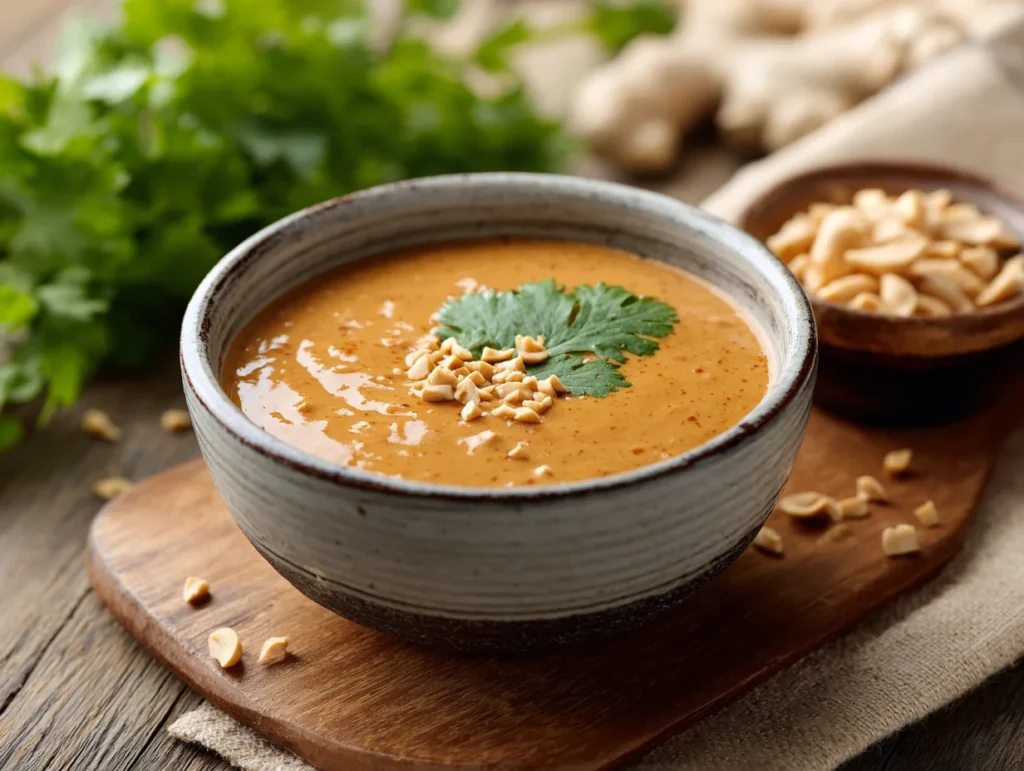
Start by adding peanut butter into a mixing bowl as the foundation of the sauce. Whisk it gently to loosen the texture and ensure smooth blending. Gradually add coconut milk while stirring continuously to create a creamy consistency.
This step is crucial because it determines the richness and thickness of the sauce. A well-blended base ensures all flavors combine evenly. The mixture should be smooth, glossy, and free from lumps before adding any seasonings.
Step 2: Adding Savory and Sweet Balance
Add soy sauce, brown sugar, garlic, ginger, lime juice, and sesame oil into the peanut base. Stir thoroughly until all ingredients are fully incorporated. This step creates the signature sweet, salty, and tangy balance that defines peanut sauce.
Each ingredient plays a key role in flavor layering. Proper mixing ensures no single flavor dominates. The sauce should develop a deep aroma and balanced taste profile, forming a rich and complex condiment.
Step 3: Adjusting Texture and Consistency
Slowly add water while whisking continuously to achieve the desired consistency. Add more water for a thinner dipping sauce or less for a thicker spread. This step is essential for versatility, allowing the sauce to suit noodles, dips, or drizzling.
Ensure smooth texture without separation or graininess. Proper adjustment guarantees a silky finish. The sauce should flow easily while still maintaining its creamy peanut richness and full-bodied flavor.
Step 4: Final Taste and Resting
Taste the sauce and adjust seasoning by adding more lime juice, sugar, or soy sauce if needed. Once balanced, let it rest for at least 20–30 minutes. Resting allows flavors to meld and intensify naturally.
The sauce thickens slightly and develops deeper complexity over time. This final step ensures restaurant-quality results. Once rested, the peanut sauce becomes more aromatic, smooth, and perfectly balanced for serving.
Cook Time
Total: 10 minutes
Prep: 5 minutes
Bake: 5 minutes
Servings

This peanut sauce recipe serves approximately 4–6 people, making it ideal for family meals, appetizers, or meal prep. Each serving delivers a rich, creamy, and nutty flavor that enhances a variety of dishes.
The portion size is perfect for dipping spring rolls, satay, or vegetables, as well as drizzling over noodles or rice bowls. A small amount provides strong flavor impact due to its concentrated richness.
Each serving adds depth and satisfaction, turning simple meals into flavorful experiences with ease.
Common Mistake in Peanut Sauce Recipe
One common mistake is using thick peanut butter without adjusting liquid, which results in a heavy and overly dense sauce.
Another issue is not balancing sweet and salty flavors, making the sauce either too bland or overly sharp.
Many people also skip proper whisking, leading to a lumpy and uneven texture instead of smooth creaminess.
Finally, not tasting during preparation can result in an unbalanced sauce that lacks depth and harmony.
Solution for Peanut Sauce Recipe
Always adjust consistency with water or coconut milk to achieve a smooth and pourable texture.
Balance flavors carefully by combining soy sauce, sugar, and lime juice in controlled amounts.
Whisk continuously to ensure a silky, lump-free consistency throughout the sauce.
Taste at each stage to maintain perfect flavor balance and adjust seasoning gradually.
Nutritional Information (approx. per serving)
- Calories: 180
- Fat: 14g
- Carbohydrates: 10g
- Sugar: 6g
- Protein: 5g
- Sodium: 250mg
This sauce is energy-rich and provides healthy fats from peanuts that support satiety and energy levels.
It offers plant-based protein, making it a nutritious addition to vegetarian meals.
When used in moderation, it enhances meals with flavor while contributing beneficial nutrients.
Storage Instructions
Store peanut sauce in an airtight container and refrigerate immediately after preparation.
It remains fresh for up to 5–7 days under proper cold storage conditions.
Always stir well before serving, as slight separation may occur naturally.
For longer storage, freeze in small portions and thaw when needed.
Suggestions
Use peanut sauce as a dip for spring rolls, satay, and fried snacks.
It works perfectly as a dressing for noodle salads and rice bowls.
Drizzle it over grilled vegetables or tofu for extra flavor depth.
It also enhances sandwiches and wraps with a creamy nutty twist.
Seasonal Relevance
Peanut sauce is a year-round condiment that fits both light summer meals and hearty winter dishes.
In summer, it pairs well with fresh salads, cold noodles, and vegetable platters.
During winter, it enhances warm noodle bowls and grilled comfort foods.
Its versatility makes it suitable for all seasons and cuisines.
Final Words
Peanut sauce is a simple yet powerful recipe that transforms everyday meals.
With the right balance of ingredients, it delivers creamy, nutty, and flavorful perfection.
Its quick preparation makes it a must-have in any kitchen.
Once tried, it becomes a staple sauce you’ll keep making again and again.
Frequently Asked Questions
Can I make peanut sauce without coconut milk?
Yes, you can replace coconut milk with water or almond milk. However, coconut milk adds extra creaminess and richness, making the sauce smoother and more authentic in flavor.
How do I make peanut sauce less thick?
Simply add water or coconut milk gradually while whisking until you reach the desired consistency. Adjust slowly to avoid making it too thin.
Is peanut sauce suitable for meal prep?
Yes, peanut sauce is great for meal prep. It stores well in the refrigerator and maintains flavor for several days, making it ideal for quick meals and snacks.
Peanut Sauce Recipe That’s Creamy and Nutty
4
servings10
minutes180
kcalCreamy homemade peanut sauce made with peanut butter, soy sauce, coconut milk, garlic, and lime. Rich, nutty, and perfectly balanced, this versatile sauce is ideal for noodles, satay, spring rolls, and drizzling over vegetables or rice bowls.
Ingredients
Peanut butter – ½ cup
Soy sauce – 2 tbsp
Coconut milk – ½ cup
Garlic cloves – 2 (minced)
Ginger – 1 tsp (grated)
Brown sugar – 1 tbsp
Lime juice – 1 tbsp
Sesame oil – 1 tbsp
Water – 2–4 tbsp (as needed)
Chili flakes – ½ tsp
Honey – 1 tsp (optional)
Rice vinegar – 1 tsp (optional)
Sriracha – 1 tsp (optional)
Crushed peanuts – 1 tbsp (optional)
Fresh coriander – 1 tbsp (optional)
Directions
- Whisk peanut butter and coconut milk until smooth. Add soy sauce, garlic, ginger, sugar, lime juice, and sesame oil. Mix well. Adjust consistency with water. Taste and balance seasoning. Let rest for 20 minutes before serving.
Recipe Video
Notes
- Adjust water for desired thickness
- Whisk well to avoid lumps
- Balance sweet, salty, and sour carefully
- Let sauce rest for better flavor
- Store in fridge 5–7 days
- Stir before every use