
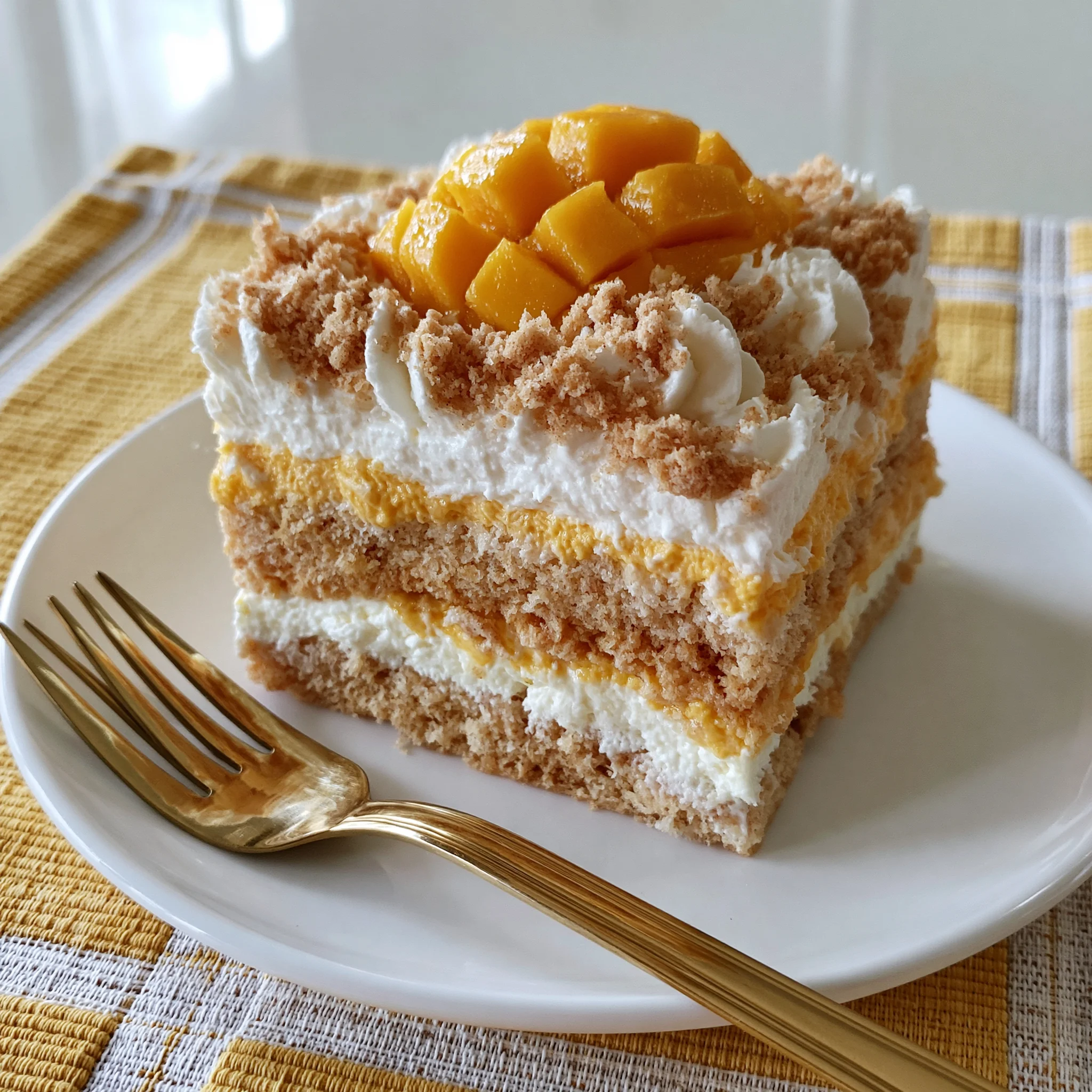
Mango float is not just a dessert; it is a layered experience of tropical richness and creamy indulgence that instantly wins hearts. This no-bake classic has become a symbol of effortless luxury, combining simplicity with restaurant-level taste that feels unforgettable on the first bite.
What makes this dessert truly special is its balance of textures. The softness of whipped cream, the sweetness of ripe mangoes, and the gentle crunch of biscuits create a harmony that feels both refreshing and indulgent. It is a dessert designed to impress without requiring professional baking skills.
In every layer, mango float delivers a cooling escape from heavy desserts. It is light, airy, and perfectly sweetened, making it ideal for gatherings, celebrations, or even casual family nights. Each spoonful carries the essence of tropical freshness blended with creamy comfort.
This recipe is also highly practical, requiring minimal ingredients and no oven time. It is the perfect choice for anyone who wants a stunning dessert with very little effort but maximum impact on taste and presentation.
Table of Contents
Ingredients You’ll Need
Base Ingredients:
- Ripe mangoes: 4 large (sliced thinly)
- All-purpose cream: 2 cups (chilled)
- Sweetened condensed milk: 1 cup
- Graham crackers: 2 packs (about 200g each)
- Fresh milk: ½ cup (for soaking layers lightly)
Optional Add-ins:
- Vanilla extract: 1 tsp
- Crushed nuts (almonds/cashews): ¼ cup
- Mango puree: ½ cup (for extra flavor depth)
- Chocolate shavings: 2 tbsp (for topping)
Step-by-Step Intrusions
Layer Preparation and Cream Base
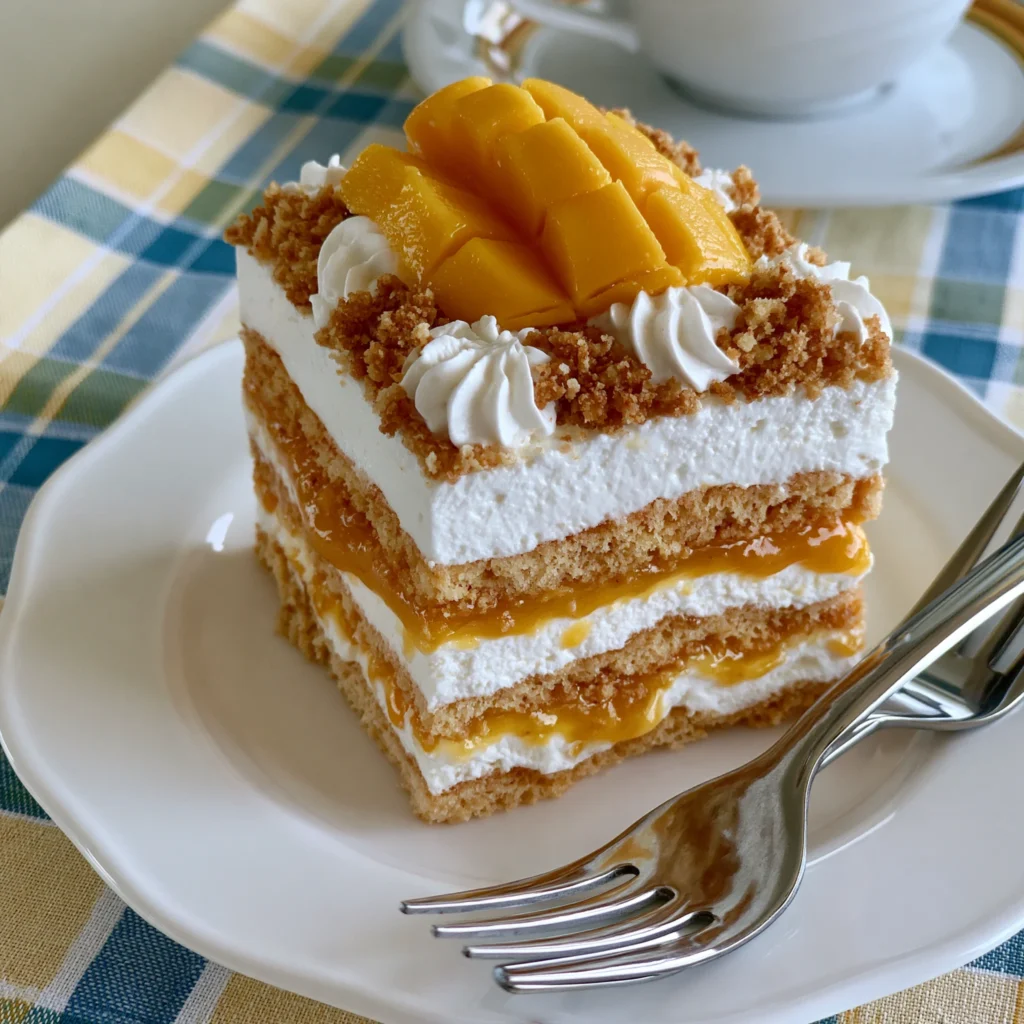
In a chilled mixing bowl, combine all-purpose cream and condensed milk. Whisk until smooth, thick, and slightly fluffy in texture. Add vanilla extract if desired for enhanced aroma. Ensure the mixture is well-blended to create a stable creamy base that will hold the dessert layers firmly. Keep refrigerated while preparing other components.
This step is crucial because the cream mixture defines the structure of the mango float. A properly whipped base ensures each layer stays intact without becoming soggy. Always use chilled ingredients to maintain consistency and avoid separation during layering. The texture should be light yet firm for best results.
Biscuit Layer Assembly
Dip graham crackers lightly in fresh milk to soften them without breaking. Arrange a single even layer at the bottom of your dish. Avoid oversoaking, as this may lead to a mushy texture. Ensure full coverage so the base layer supports the cream and mango combination properly.
Repeat the process carefully for each layer, maintaining balance and structure. The biscuit layer acts as the foundation, giving the dessert its signature bite. Precision in placement ensures a visually appealing and evenly textured dessert once set.
Mango Layer Integration
Place thinly sliced mangoes evenly over the cream layer. Ensure full surface coverage for consistent flavor in every bite. Use ripe, sweet mangoes for maximum natural sweetness and aroma. Press gently so they settle into the cream without sinking too deeply.
This layer adds freshness and tropical vibrance to the dessert. The mangoes should be evenly distributed to avoid flavor imbalance. Their natural juice slightly blends with the cream, enhancing overall richness while maintaining a refreshing contrast.
Final Layering and Chilling
Repeat layers until the dish is full, finishing with cream and mango slices on top. Smooth the final layer carefully for a clean presentation. Add optional toppings like crushed nuts or chocolate shavings for visual appeal.
Cover the dish and refrigerate for at least 6 hours or overnight. This resting time allows layers to set firmly and flavors to blend beautifully. The result is a structured yet creamy dessert with perfect slice consistency.
Cook Time
Total: 6 hours (including chilling time)
Prep: 25 minutes
Bake: No baking required
Servings
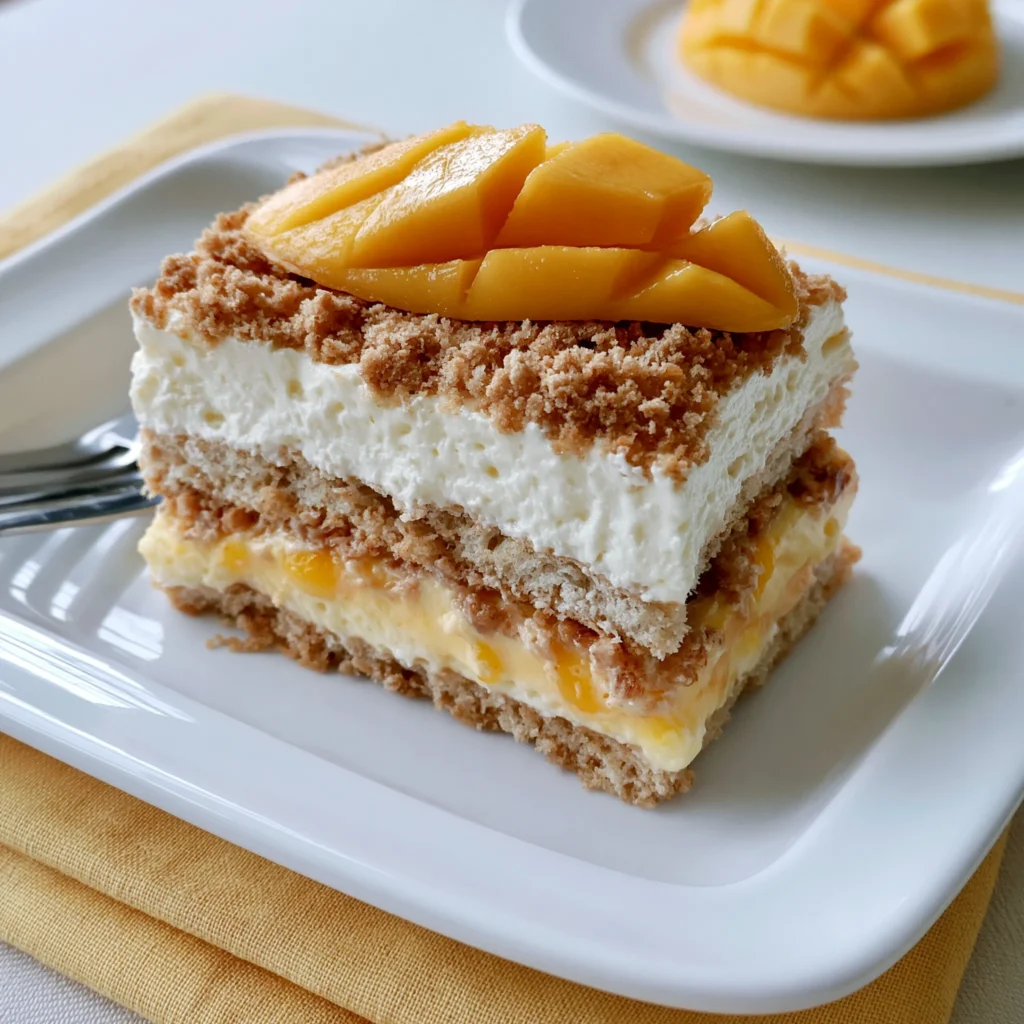
This mango float recipe is designed to serve a medium family-sized group comfortably. Each serving offers a balanced portion of creamy layers and fruit freshness that satisfies without being overly heavy. It is ideal for gatherings, parties, or weekend desserts.
When cut into neat squares, the dessert maintains its structure beautifully. Each slice holds distinct layers, giving a visually appealing presentation that enhances the eating experience. The portion size can be adjusted depending on dish size and layer thickness.
Overall, this recipe yields approximately 8 to 10 generous servings. It is perfect for sharing, ensuring everyone enjoys the same rich combination of mango, cream, and biscuit layers in every bite.
Common Mistake in Mango Float Preparation
One of the most frequent mistakes is oversoaking the graham crackers. When biscuits are dipped too long in milk, they lose structure and turn overly mushy. This leads to a collapsed dessert that lacks definition between layers, affecting both texture and presentation significantly.
Another common issue is using unripe or overly fibrous mangoes. This reduces sweetness and creates a less enjoyable contrast with the creamy base. The dessert depends heavily on fruit quality, and poor mango selection can compromise the entire flavor profile of the dish.
Improper whipping of cream is also a critical error. If the mixture is under-whipped, the layers become unstable and runny. Over-whipping, on the other hand, causes graininess, making the dessert less smooth and visually unappealing after chilling.
Lastly, uneven layering results in inconsistent taste distribution. Some bites may become overly creamy while others lack mango presence. This imbalance reduces the overall dessert experience and affects the signature harmony that mango float is known for.
Solution to Common Mistake in This Recipe
To avoid soggy biscuits, dip graham crackers quickly, just a light second in milk is enough. This maintains structure while still providing softness. Always test one layer first to ensure correct absorption before continuing the full assembly process.
For mango quality, always choose ripe but firm fruit. Naturally sweet mangoes reduce the need for extra sugar and enhance flavor balance. If mangoes are slightly fibrous, slice them thinner for a smoother eating experience throughout the dessert.
When whipping cream, ensure it is well chilled before mixing. Beat until soft peaks form for a stable texture. Avoid overmixing by stopping once the cream holds shape but remains smooth and airy for layering purposes.
For even layering, distribute each component carefully and consistently. Use a spatula to spread cream uniformly and place mango slices evenly. This ensures every serving delivers the same balanced combination of flavors and textures.
Nutritional Information (approx. per serving)
- Calories: 280 kcal
- Carbohydrates: 38g
- Fat: 12g
- Protein: 4g
- Sugar: 26g
This dessert provides quick energy due to its natural fruit sugars and dairy content. Mangoes contribute essential vitamins, especially vitamin C and A, which support immunity and skin health. The cream adds richness and satiety, making it a satisfying treat in moderate portions.
Despite being a dessert, mango float offers nutritional value through fresh fruit content. It delivers antioxidants from mangoes that help combat oxidative stress. When consumed occasionally, it can be part of a balanced diet while still satisfying sweet cravings effectively.
The presence of dairy provides calcium for bone strength, while the fruit adds hydration benefits. This makes it a more wholesome dessert option compared to heavily processed sweets, especially when prepared with controlled sugar levels and fresh ingredients.
Storage Instructions
Mango float should always be stored in a covered container inside the refrigerator. This prevents absorption of external odors and keeps the dessert fresh. Proper sealing also maintains its creamy texture and prevents the top layer from drying out.
It is best consumed within 2 to 3 days for optimal flavor and texture. After this period, the biscuits may begin to soften excessively, and the mango freshness may slightly reduce, affecting overall quality.
Avoid freezing the dessert as it can alter the cream structure. Freezing may cause separation and a grainy texture once thawed, which impacts the smooth consistency that defines a well-made mango float.
Always use a clean serving utensil when taking portions. This prevents contamination and helps maintain freshness throughout storage. Keeping it chilled at all times ensures the dessert remains safe and enjoyable.
Suggestions
For a richer flavor profile, consider adding a thin layer of mango puree between layers. This intensifies fruitiness and enhances the overall tropical experience of the dessert without overpowering its creamy balance.
You can also experiment with biscuit varieties such as digestive biscuits for a slightly nuttier base. This adds depth and changes texture subtly while still maintaining the structure of the classic mango float.
Serving the dessert in individual cups or jars creates an elegant presentation. This approach is perfect for parties and ensures easy portion control while maintaining visual appeal and layered perfection.
For a gourmet twist, drizzle honey or sprinkle toasted coconut on top before serving. These additions enhance aroma and bring a more complex flavor dimension to the traditional recipe.
Seasonal Relevance
Mango float is especially popular during summer when mangoes are at their peak sweetness. The chilled dessert provides a refreshing escape from heat, making it a seasonal favorite in tropical climates.
During mango season, the flavor is naturally enhanced, requiring minimal added sweeteners. This allows the fruit’s authentic taste to shine, creating a more vibrant and refreshing dessert experience for consumers.
In festive seasons, mango float becomes a crowd-pleasing dish due to its simplicity and visual appeal. It is often prepared in large batches for family gatherings and celebrations.
Even outside mango season, the dessert remains relevant using frozen mangoes. While fresh fruit is preferred, quality frozen alternatives still maintain acceptable flavor and texture when properly thawed and prepared.
Final Words
Mango float is a timeless dessert that proves simplicity can deliver extraordinary results. Its layered structure, creamy richness, and fruity freshness make it a standout choice for all occasions.
The beauty of this recipe lies in its adaptability. With minimal ingredients and no baking required, it empowers anyone to create a professional-quality dessert at home effortlessly and confidently.
Every layer tells a story of balance—sweet mangoes, soft cream, and delicate biscuits working together in harmony. This is what makes mango float more than just a dessert; it is an experience.
Whether for casual enjoyment or special occasions, this recipe guarantees satisfaction. It is a reliable, elegant, and refreshing dessert that consistently delivers high appeal and memorable taste.
Frequently Asked Questions
Can I use canned mangoes instead of fresh ones?
Yes, canned mangoes can be used when fresh ones are unavailable. However, fresh mangoes are preferred because they offer better texture, natural sweetness, and aroma. If using canned mangoes, drain excess syrup to avoid making the dessert overly sweet or watery in consistency.
How long should mango float be chilled before serving?
Mango float should be chilled for at least 6 hours, but overnight refrigeration is ideal. This allows all layers to set properly and flavors to blend together. Insufficient chilling may result in unstable layers and a softer texture that does not hold shape when sliced.
Can I make mango float ahead of time for events?
Yes, mango float is perfect for advance preparation. You can prepare it a day before your event and store it in the refrigerator. This actually enhances flavor integration. Just ensure it is well-covered to maintain freshness and prevent absorption of other refrigerator odors.
Best No-Bake Mango Float Dessert
8
servings25
minutes280
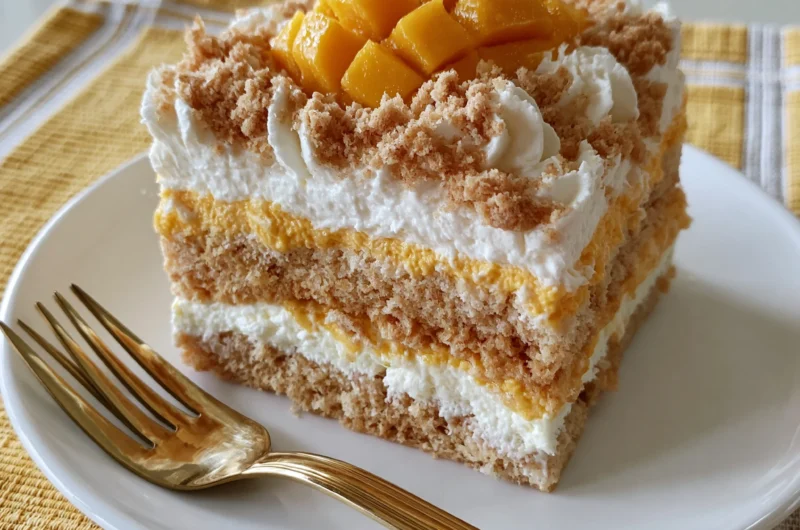
kcalBest No-Bake Mango Float Dessert is a creamy, layered Filipino-inspired treat made with ripe mangoes, whipped cream, and graham crackers. This refreshing dessert requires no baking and delivers a perfect balance of sweetness, texture, and tropical flavor for any occasion.
Ingredients
Ripe mangoes: 4 large (sliced thinly)
All-purpose cream: 2 cups (chilled)
Sweetened condensed milk: 1 cup
Graham crackers: 2 packs (about 200g each)
Fresh milk: ½ cup (for soaking layers lightly)
Optional Add-ins:
Vanilla extract: 1 tsp
Crushed nuts (almonds/cashews): ¼ cup
Mango puree: ½ cup (for extra flavor depth)
Chocolate shavings: 2 tbsp (for topping)
Directions
- Whip chilled all-purpose cream with condensed milk until smooth and fluffy. Add vanilla if using.
- Lightly dip graham crackers in milk and arrange a base layer in a dish.
- Spread cream mixture evenly over crackers, then add sliced mangoes.
- Repeat layering until filled, finishing with cream and mango on top.
- Refrigerate for at least 6 hours or overnight until fully set.
Recipe Video
Notes
- Use fully ripe mangoes for best natural sweetness and aroma.
- Do not oversoak graham crackers to avoid a soggy texture.
- Always chill cream before whipping for better consistency.
- Refrigeration time is essential for clean, firm layers and perfect slicing.
- Optional toppings like nuts or chocolate add extra texture and visual appeal.