
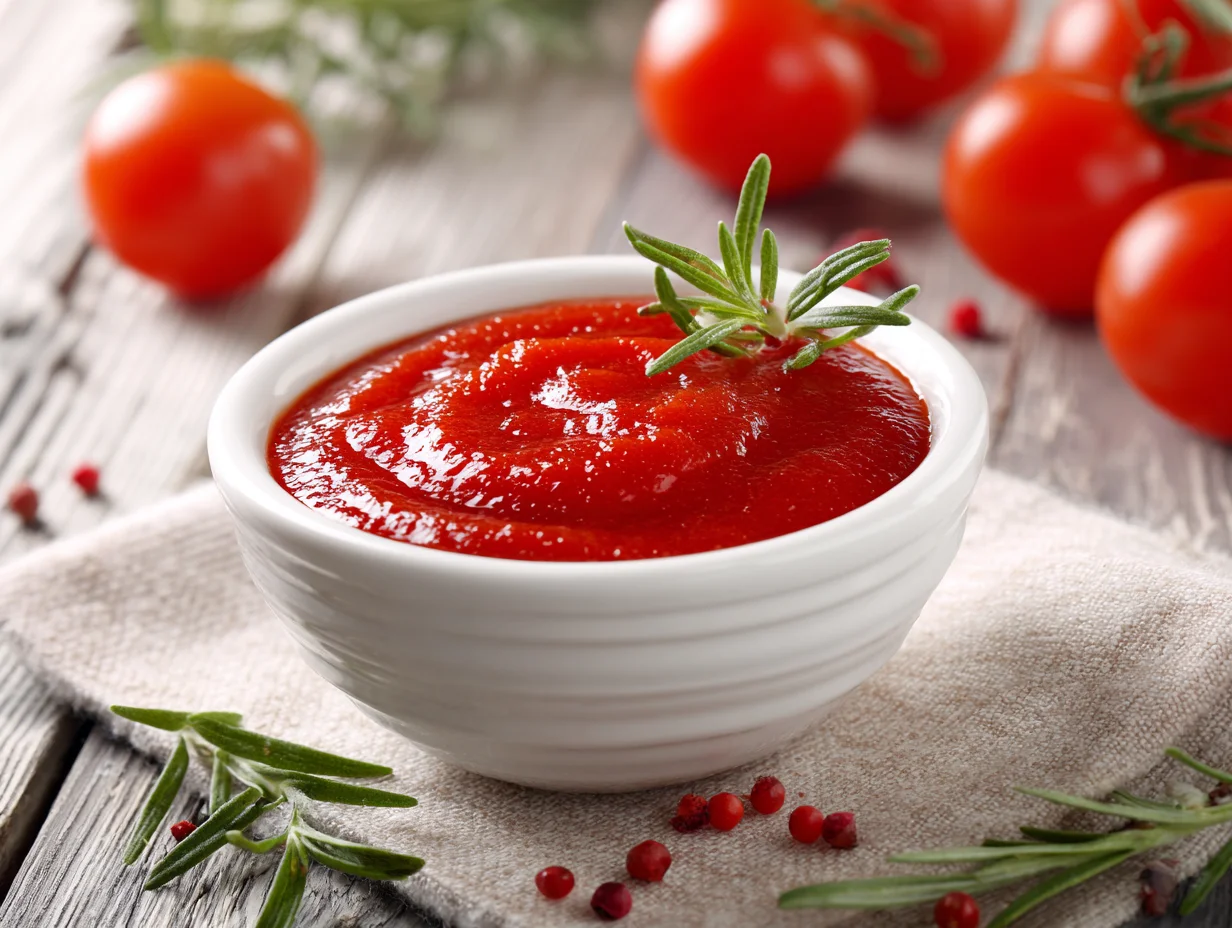
A high-quality tomato sauce is the backbone of countless premium dishes, from classic pasta to gourmet pizzas. When executed correctly, it delivers depth, balance, and a rich texture that instantly elevates any recipe. This is not just another basic sauce, it’s a foundational culinary asset.
In professional kitchens, consistency and ingredient control define success. A well-crafted tomato sauce offers a perfect balance of acidity, natural sweetness, and savory richness. It enhances dishes without overpowering them, making it essential for both everyday cooking and high-end meal preparation.
What sets this recipe apart is its efficiency and reliability. Using cost-effective, high-impact ingredients, you can achieve restaurant-quality results with minimal effort, ideal for home cooks and food business applications alike.
This guide is designed with precision, scalability, and flavor optimization in mind, ensuring every batch meets premium standards.
Table of Contents
Ingredients You’ll Need
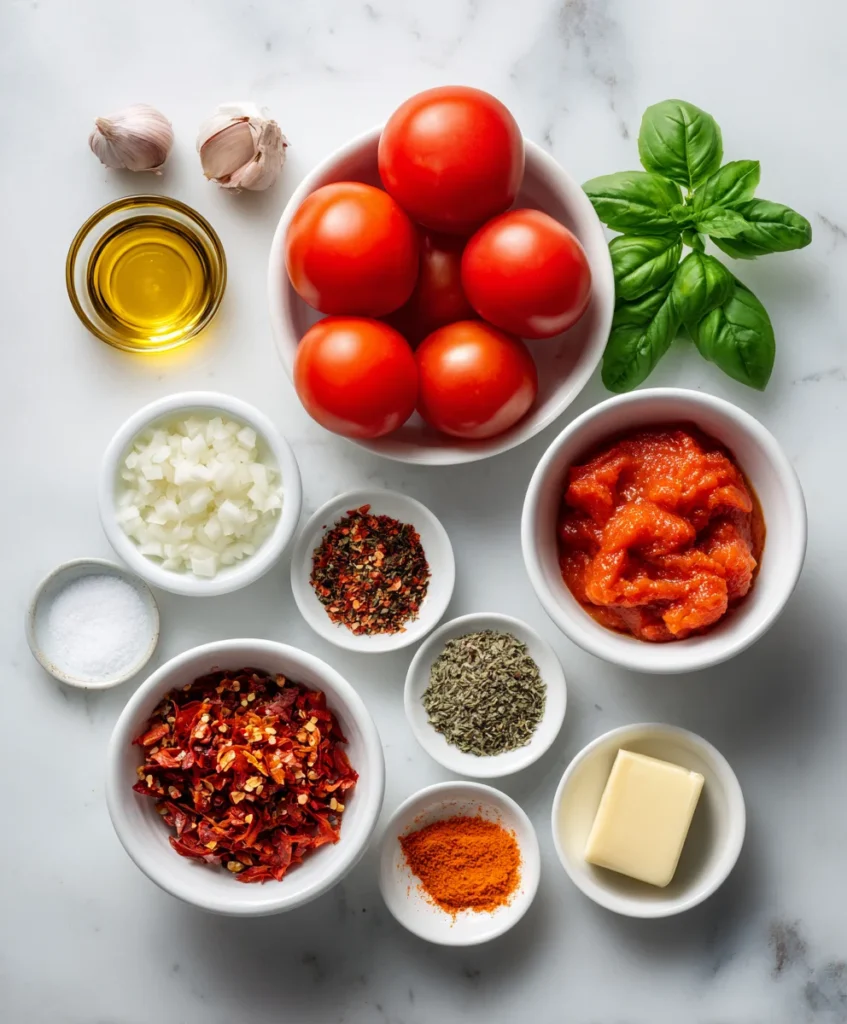
Base Ingredients:
- Fresh tomatoes – 1 kg (ripe, high-quality for best flavor)
- Olive oil – 3 tablespoons (extra virgin preferred)
- Garlic – 4 cloves (finely chopped)
- Onion – 1 medium (finely chopped)
- Tomato paste – 2 tablespoons (concentrated flavor)
- Salt – 1 teaspoon (adjust to taste)
- Black pepper – ½ teaspoon (freshly ground)
- Sugar – 1 teaspoon (balances acidity naturally)
Optional Add-ins:
- Fresh basil – ¼ cup (chopped, premium aroma)
- Oregano – 1 teaspoon (adds depth)
- Red chili flakes – ½ teaspoon (for heat)
- Butter – 1 tablespoon (for silky finish)
- Carrot – 1 small (grated, natural sweetness enhancer)
Step-by-Step Intrusions
Step 1: Build a Premium Flavor Base
Heat olive oil in a heavy-bottom pan over medium heat. Add finely chopped onions and cook slowly until soft and translucent, avoiding browning. This controlled cooking releases natural sweetness, forming a high-quality base.
Add garlic and sauté briefly until aromatic. Maintaining moderate heat is critical here, as burnt garlic can negatively impact the entire batch. This step establishes the core flavor structure, ensuring your tomato sauce has a refined and well-balanced foundation suitable for premium recipes.
Step 2: Concentrate Tomato Richness
Add fresh tomatoes (pureed or finely chopped) and mix thoroughly. Cook uncovered to allow excess moisture to evaporate, concentrating both flavor and texture. Stir occasionally to prevent sticking and ensure even cooking.
This stage is essential for developing a rich, deep tomato profile rather than a watery consistency. A slow simmer enhances natural sugars and reduces acidity, creating a more balanced and professional-grade sauce that performs well across multiple dishes.
Step 3: Optimize Flavor Balance
Incorporate tomato paste, salt, black pepper, and sugar. Mix evenly to distribute flavors throughout the sauce. Tomato paste intensifies color and umami, while sugar balances acidity without overpowering natural taste.
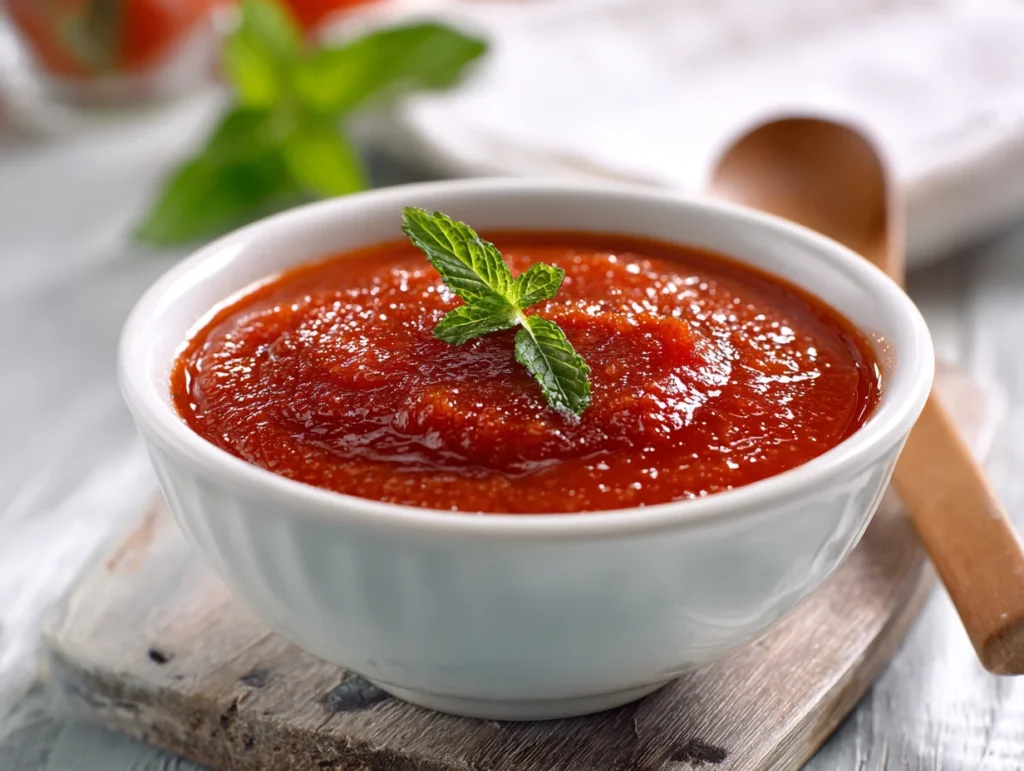
Continue cooking on low heat, allowing ingredients to integrate fully. This stage is where the sauce transitions from basic to high-value, achieving a smooth, consistent flavor profile that aligns with restaurant-quality standards.
Step 4: Refine Texture and Finish
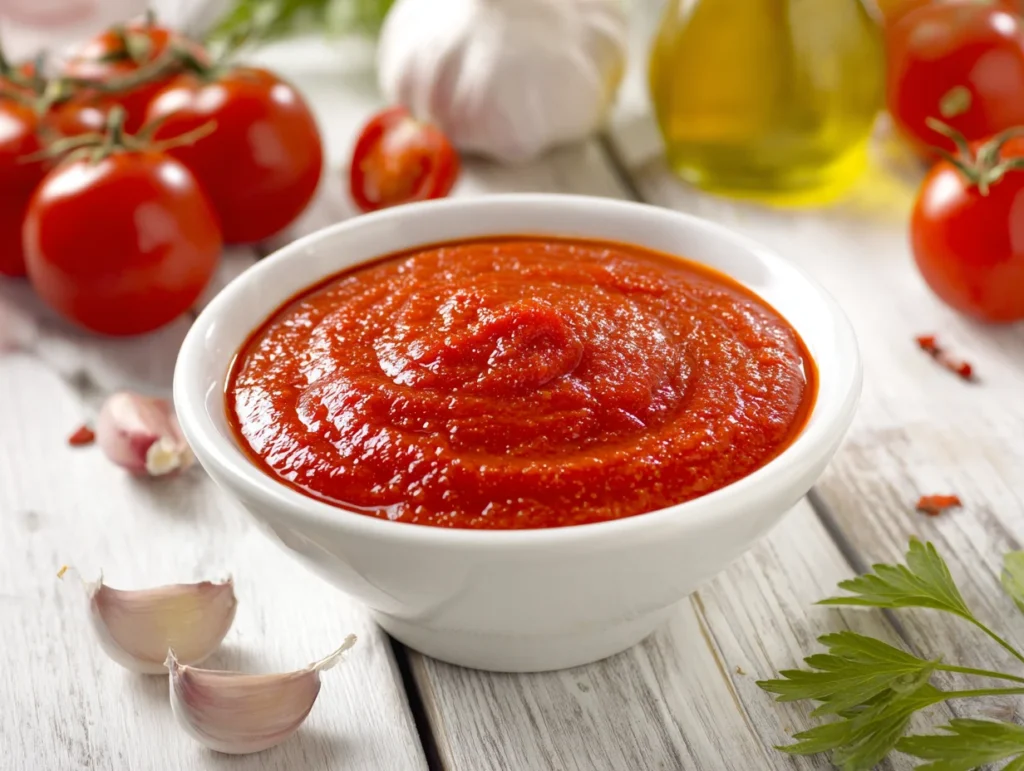
Add optional ingredients such as basil, oregano, or butter for enhanced aroma and richness. Stir gently and allow the sauce to simmer briefly. Taste and adjust seasoning as needed. The final texture should be thick, smooth, and glossy, ideal for coating pasta or spreading on pizza.
Proper finishing ensures the sauce meets both visual and taste expectations, making it suitable for premium presentation and diverse culinary applications.
Cook Time
Total: 35 minutes
Prep: 10 minutes
Bake: 25 minutes
Servings
This recipe is optimized for both home kitchens and scalable cooking needs, delivering consistent results without unnecessary waste. It ensures a practical yield that supports multiple dishes while maintaining freshness and flavor quality.
From a professional perspective, this quantity is ideal for pasta servings, layered dishes, or as a base for advanced recipes. It allows efficient portion control while ensuring every serving maintains the same rich and balanced taste.
Makes approximately 3 cups of sauce, suitable for 4–6 servings. This volume is perfect for meal prep, reducing cooking frequency while maintaining high-quality output.
Critical Mistakes That Reduce Sauce Quality
Using low-grade or unripe tomatoes significantly lowers the final quality. It results in excessive acidity and weak flavor, making the sauce taste unbalanced and less appealing for premium dishes.
Cooking at excessively high heat is another major issue. It can cause uneven reduction, burnt aromatics, and a loss of natural tomato sweetness, ultimately affecting both taste and texture.
Over-reliance on sugar to correct acidity creates artificial sweetness. This disrupts the natural flavor profile and reduces the sauce’s versatility across recipes.
Skipping proper reduction leads to a thin, watery consistency. Without sufficient simmering, the sauce lacks the thickness and richness expected in a professional-grade preparation.
Proven Solutions for Consistent, High-Quality Results
Always select ripe, high-quality tomatoes or premium canned alternatives. Ingredient quality directly influences both flavor and consistency.
Maintain controlled heat throughout the cooking process. Slow and steady cooking preserves natural flavors and prevents burning or bitterness.
Balance acidity through proper cooking rather than excessive sugar. This ensures a more natural and refined taste profile.
Allow adequate simmering time to achieve the desired thickness. A well-reduced sauce enhances both flavor concentration and visual appeal.
Nutritional Information (approx. per serving)
- Calories: 90 kcal
- Fat: 5g
- Carbohydrates: 10g
- Sugar: 6g
- Fiber: 2g
- Sodium: 300mg
This sauce offers a balanced nutritional profile, making it suitable for a variety of dietary needs while maintaining strong flavor performance.
Tomatoes provide antioxidants that support overall wellness while contributing natural taste without excess calories.
Olive oil adds healthy fats that improve satiety and enhance nutrient absorption in meals.
Its moderate calorie content makes it ideal for regular use without significantly impacting daily intake.
Storage Instructions
Allow the sauce to cool fully before storage to prevent moisture buildup, which can affect quality and shelf life.
Transfer to an airtight container and refrigerate immediately. Proper storage ensures freshness and maintains flavor consistency.
Store in the refrigerator for up to 5 days or freeze in portion-sized containers for long-term use.
Reheat gently over low heat, stirring occasionally to restore its original texture and prevent separation.
Suggestions
Use this sauce as a premium base for pasta dishes, ensuring even coating and rich flavor in every serving.
Apply it to homemade pizzas for a balanced, authentic taste that enhances toppings without overpowering them.
Incorporate into baked dishes like lasagna or casseroles to improve depth and moisture.
Experiment with it in fusion recipes to create unique, high-value dishes that stand out.
Seasonal Relevance
This sauce performs best in summer when tomatoes are naturally sweet and flavorful, delivering optimal results.
In colder seasons, it adds warmth and richness to comfort foods, enhancing overall meal satisfaction.
Spring recipes benefit from its fresh and light profile, especially when paired with herbs and vegetables.
During autumn, it complements roasted dishes, adding depth and a subtle balance to seasonal ingredients.
Finl Words
A well-executed tomato sauce is a high-value culinary asset that enhances a wide range of dishes.
With the right techniques, you can consistently achieve results that match professional kitchen standards.
Its adaptability makes it essential for both everyday cooking and advanced recipes.
Master this recipe once, and it will become a reliable, go-to component in your kitchen for years.
Frequently Asked Questions
Can I make tomato sauce without onion and garlic?
Yes, you can prepare a simplified version using only tomatoes, olive oil, and basic seasoning. However, onion and garlic significantly enhance depth and richness, so removing them will result in a lighter, less complex flavor profile.
What is the best way to reduce acidity in tomato sauce?
The most effective method is slow cooking. Allowing the sauce to simmer naturally reduces acidity and enhances sweetness. You can also add a small amount of grated carrot for a more natural balance without relying heavily on sugar.
Can I use this sauce for commercial food preparation?
Yes, this recipe is scalable and suitable for commercial use. Maintain ingredient ratios and prepare in controlled batches for consistency. Using high-quality ingredients and proper cooking techniques ensures a professional-grade product that meets customer expectations.
Use ripe tomatoes for best flavor and natural sweetness. Avoid high heat to prevent burning garlic or uneven cooking. Simmer uncovered for better thickness and flavor concentration. Adjust seasoning gradually for a balanced taste. Store properly to maintain freshness and quality.
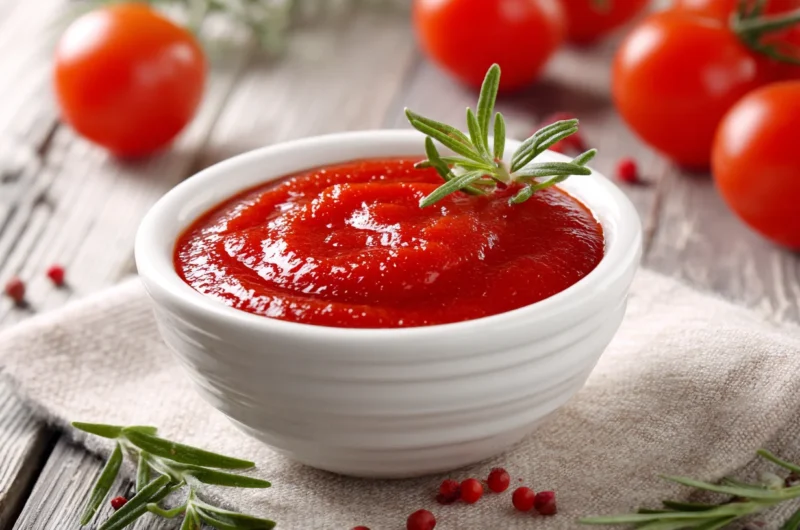
Tomato Sauce Recipe You’ll Always Use
4
servings10
minutes25
minutes90
kcalA rich, well-balanced tomato sauce made with fresh ingredients and slow simmering. Perfect for pasta, pizza, and versatile cooking, this recipe delivers consistent, restaurant-quality flavor with simple techniques and high-quality ingredients.
Ingredients
Fresh tomatoes – 1 kg
Olive oil – 3 tablespoons
Garlic – 4 cloves (finely chopped)
Onion – 1 medium (finely chopped)
Tomato paste – 2 tablespoons
Salt – 1 teaspoon
Black pepper – ½ teaspoon
Sugar – 1 teaspoon
Fresh basil – ¼ cup (optional)
Oregano – 1 teaspoon (optional)
Red chili flakes – ½ teaspoon (optional)
Butter – 1 tablespoon (optional)
Carrot – 1 small (optional, grated)
Directions
- Heat olive oil in a pan and sauté onion until soft and translucent.
- Add garlic and cook briefly until fragrant without burning.
- Add tomatoes and cook uncovered to reduce moisture and enhance flavor.
- Stir in tomato paste, salt, pepper, and sugar, mixing thoroughly.
- Simmer on low heat until thick and well-balanced.
- Add optional ingredients, adjust seasoning, and cook briefly before serving.
Recipe Video
Notes
- Use ripe tomatoes for best flavor and natural sweetness.
- Avoid high heat to prevent burning garlic or uneven cooking.
- Simmer uncovered for better thickness and flavor concentration.
Adjust seasoning gradually for a balanced taste.- Store properly to maintain freshness and quality.