
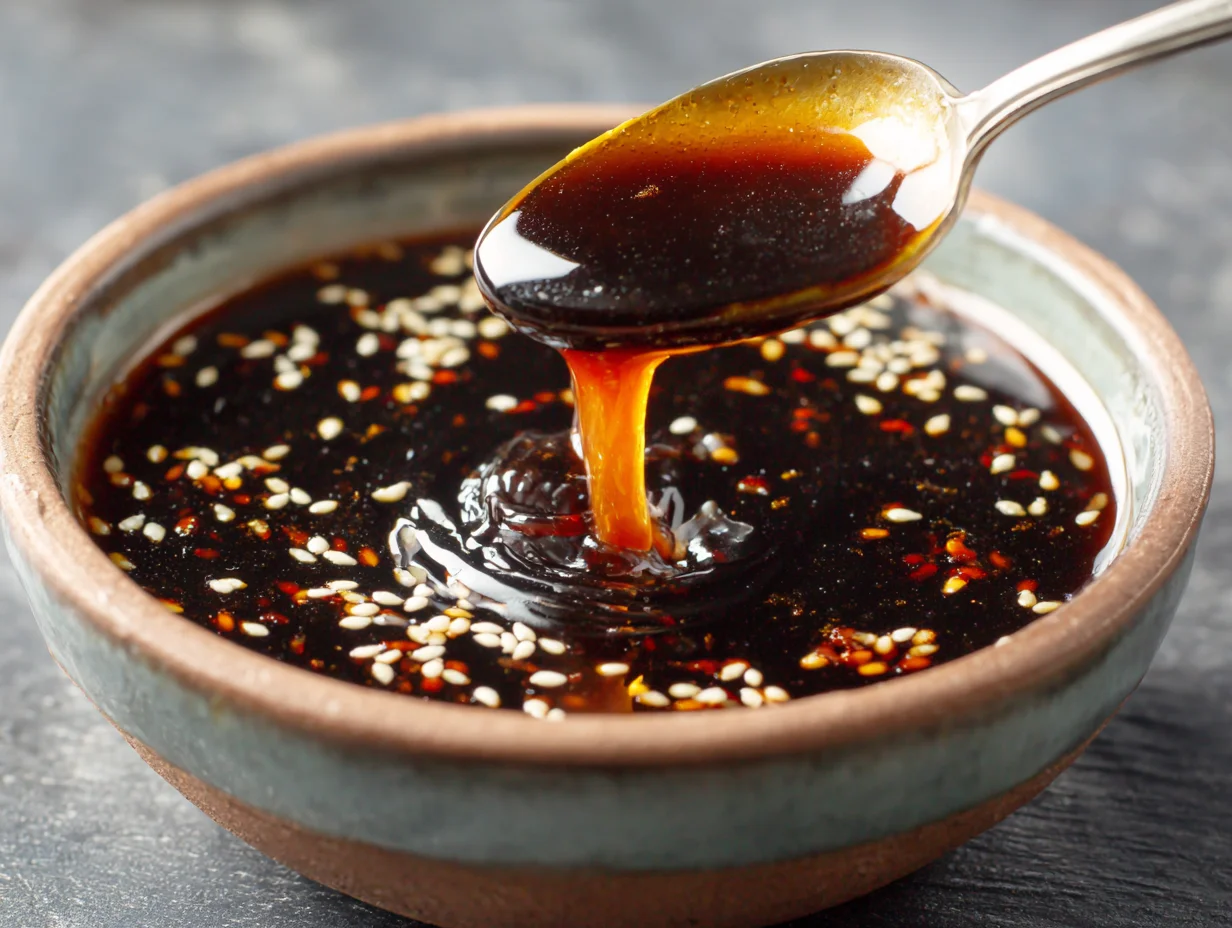
The difference between a good dish and an unforgettable one often comes down to the sauce, and teriyaki sauce is a perfect example. When done right, it delivers a glossy, rich glaze with a perfect balance of sweet, salty, and umami flavors that elevate even the simplest meals.
As a chef, I’ve seen countless versions of teriyaki sauce, but very few capture that authentic depth while remaining easy to make at home. This recipe focuses on precision, technique, and flavor layering, giving you restaurant-quality results in minutes.
Whether you’re glazing chicken, tossing noodles, or finishing grilled vegetables, this homemade teriyaki sauce is your secret weapon. It’s versatile, cost-effective, and far superior to store-bought alternatives.
If you’re serious about flavor and want a high-impact, low-effort recipe that consistently delivers, this is the teriyaki sauce you’ll keep coming back to.
Table of Contents
Ingredients You’ll Need
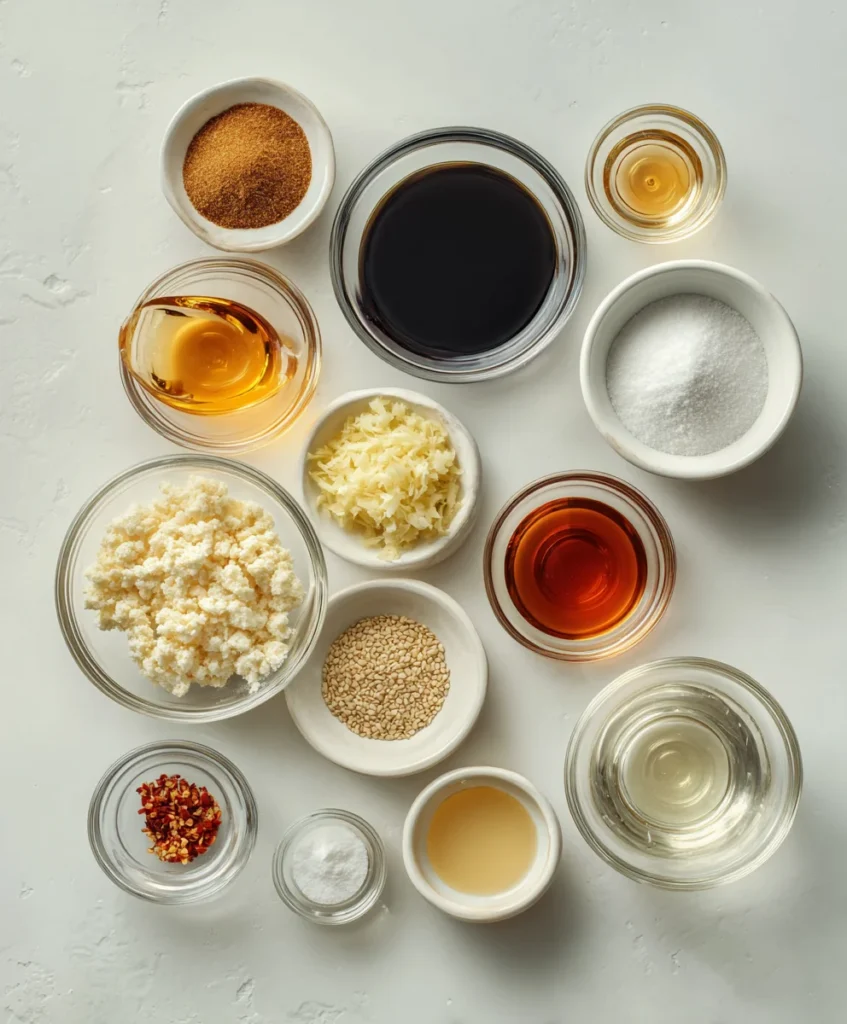
Base Ingredients:
- Soy sauce – 1/2 cup
- Water – 1/2 cup
- Brown sugar – 1/3 cup
- Honey – 2 tbsp
- Garlic (minced) – 2 cloves
- Ginger (grated) – 1 tsp
- Cornstarch – 2 tbsp
- Water (for slurry) – 2 tbsp
Optional Add-ins:
- Sesame oil – 1 tsp
- Rice vinegar – 1 tbsp
- Red chili flakes – 1/2 tsp
- Sesame seeds – 1 tsp
Step-by-Step Intrusions
Step 1: Build the Flavor Base
Start by combining soy sauce, water, brown sugar, and honey in a saucepan over medium heat. Stir gently until the sugar fully dissolves and the mixture begins to warm evenly.
This foundational step is crucial because it creates the signature sweet-salty balance that defines teriyaki sauce. Avoid rushing this stage—properly dissolving the sugar ensures a smooth texture and prevents graininess later.
As the mixture heats, you’ll notice the aroma deepen, signaling the beginning of a well-developed sauce base.
Step 2: Infuse Aromatics
Add minced garlic and freshly grated ginger into the saucepan. Stir continuously to allow these aromatics to release their natural oils and blend into the sauce.
This step transforms the mixture from simple to complex, giving it that authentic restaurant-style depth. Keep the heat moderate to avoid burning the garlic, which can turn bitter. Let the mixture simmer gently for a few minutes so the flavors fully infuse and create a bold, balanced profile.
Step 3: Thicken the Sauce
In a separate small bowl, mix cornstarch with water to create a smooth slurry. Slowly pour this slurry into the simmering sauce while stirring constantly. This technique ensures the sauce thickens evenly without forming lumps.
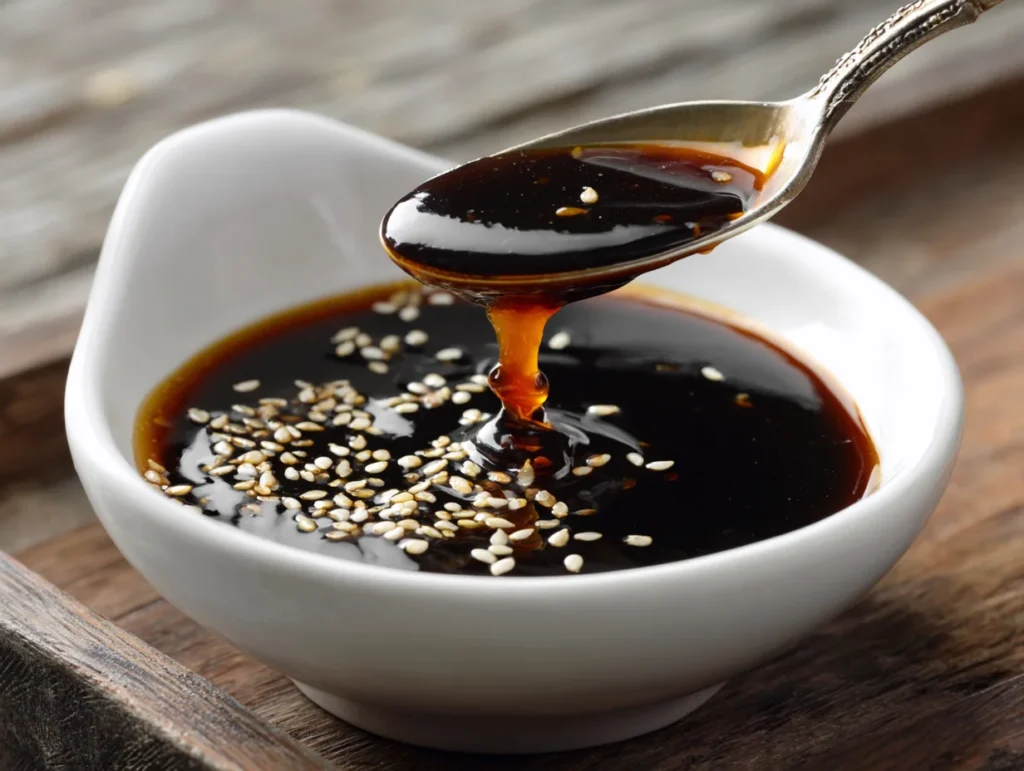
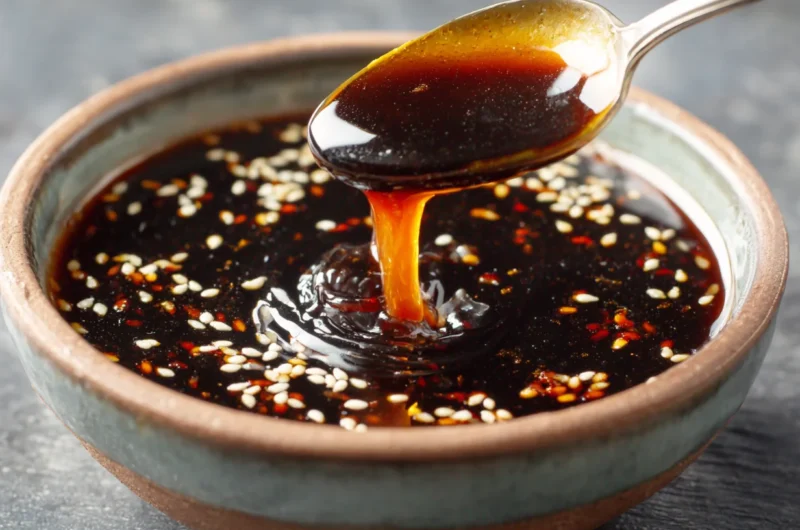
As the mixture heats, you’ll see it transform into a glossy, rich consistency. This is the hallmark of a perfect teriyaki glaze, thick enough to coat food beautifully without being overly heavy or sticky.
Step 4: Final Adjustments and Finish
Once the sauce reaches your desired thickness, remove it from heat and stir in optional ingredients like sesame oil or rice vinegar for added complexity. Taste and adjust sweetness or saltiness as needed.
Allow the sauce to cool slightly before using, it will continue to thicken as it rests. This final step ensures a perfectly balanced, versatile teriyaki sauce that enhances any dish with a professional finish.
Cook Time
Total: 15 minutes
Prep: 5 minutes
Bake: 10 minutes
Servings
This recipe yields approximately four servings, making it ideal for small family meals or meal prep. The quantity is perfectly balanced to provide enough sauce for coating proteins like chicken, beef, or tofu without overwhelming the dish. It’s a practical amount that minimizes waste while maximizing flavor.
For larger gatherings, the recipe can easily be doubled or tripled without compromising taste or consistency. The ratios are designed to scale seamlessly, ensuring consistent results every time. This flexibility makes it a reliable go-to for both everyday cooking and special occasions.
Makes approximately 1 cup of teriyaki sauce, which is sufficient for multiple uses such as marinades, stir-fries, or dipping sauces. Its concentrated flavor means a little goes a long way, delivering high impact in every application.
Common Flavor Imbalance Mistakes
One of the most common mistakes when making teriyaki sauce is improper balance between sweetness and saltiness. Many home cooks either add too much soy sauce or overcompensate with sugar, resulting in a sauce that feels either too sharp or overly sweet. This imbalance can overpower the dish rather than enhance it.
Another frequent issue is skipping fresh aromatics. Using pre-minced garlic or powdered ginger may seem convenient, but it significantly reduces the depth of flavor. Fresh ingredients are essential for achieving that authentic, layered taste found in professional kitchens.
Over-thickening the sauce is also a common problem. Adding too much cornstarch or not properly dissolving it can lead to a gluey, heavy texture. A good teriyaki sauce should be smooth and glossy, not overly dense or clumpy.
Lastly, cooking the sauce on high heat can ruin the final result. High temperatures can burn the sugars and aromatics, creating bitterness. Controlled, moderate heat is key to preserving the sauce’s balanced flavor profile.
Fixing Teriyaki Sauce Like a Pro
To correct flavor imbalance, always taste as you go. If the sauce is too salty, add a small amount of water or honey. If it’s too sweet, balance it with a splash of soy sauce or rice vinegar. Small adjustments make a big difference in achieving harmony.
For better depth, always use freshly minced garlic and grated ginger. These ingredients release natural oils that elevate the sauce’s complexity. It’s a simple upgrade that instantly improves the overall quality of your recipe.
When thickening, add the cornstarch slurry gradually while stirring continuously. This prevents lumps and gives you control over the final consistency. Stop once the sauce coats the back of a spoon smoothly.
Maintain medium heat throughout the cooking process. Gentle simmering allows flavors to develop without burning. This technique ensures a clean, balanced taste that defines a professional-quality teriyaki sauce.
Nutritional Information (approx. per serving)
- Calories: 90 kcal
- Carbohydrates: 18g
- Sugar: 15g
- Protein: 2g
- Fat: 0.5g
- Sodium: 900mg
This sauce provides quick energy through natural sugars, making it ideal for pairing with protein-rich meals. The balance of carbohydrates supports active lifestyles when used in moderation.
Ginger and garlic contribute antioxidant properties, which can support immune health. These ingredients also add natural anti-inflammatory benefits, enhancing both flavor and nutritional value.
Using homemade sauce allows you to control sodium levels compared to store-bought versions. This makes it a smarter choice for those monitoring salt intake without sacrificing taste.
Its versatility encourages home cooking, which often leads to healthier eating habits. When used thoughtfully, this sauce can be part of a balanced, flavorful diet.
Storage Instructions
Allow the teriyaki sauce to cool completely before storing. This prevents condensation, which can dilute the flavor and affect texture. Always transfer it into a clean, airtight container for best results.
Refrigerate the sauce for up to one week. The flavors will continue to develop over time, often tasting even better the next day. Stir before use to maintain consistency.
For longer storage, freeze the sauce in small portions. This makes it convenient to thaw only what you need, reducing waste and saving time during busy cooking days.
When reheating, use low heat and stir gently to restore its smooth texture. Avoid overheating, as this can break down the sauce and alter its flavor balance.
Suggestions
Use this teriyaki sauce as a glaze for grilled chicken or salmon. The caramelization enhances both texture and flavor, creating a restaurant-quality finish at home.
It works exceptionally well in stir-fries. Toss it with vegetables and protein for a quick, flavorful meal that feels both satisfying and balanced.
Try it as a marinade for meats or tofu. Allowing ingredients to soak in the sauce deepens the flavor and ensures every bite is rich and well-seasoned.
You can also use it as a dipping sauce for dumplings or spring rolls. Its balanced profile complements a wide range of dishes, making it a versatile kitchen staple.
Seasonal Relevance
This teriyaki sauce is perfect year-round, but it truly shines during grilling season. Its ability to caramelize beautifully makes it ideal for summer barbecues and outdoor cooking.
In colder months, it adds warmth and richness to comfort dishes like stir-fries and noodle bowls. The deep flavors create a satisfying, hearty experience.
During festive gatherings, it can elevate simple appetizers into crowd-pleasing dishes. Its universal appeal makes it suitable for diverse menus.
Its adaptability ensures it remains relevant across seasons, making it a reliable recipe to keep in your culinary repertoire.
Finl Words
Mastering a classic like teriyaki sauce is about understanding balance, technique, and quality ingredients. Once you get it right, it becomes a foundational recipe you can rely on.
This version is designed for consistency and excellence. It removes guesswork and delivers professional-level results every time you make it.
Whether you’re cooking for yourself or entertaining guests, this sauce adds a polished touch to any dish. It’s simple, efficient, and incredibly rewarding.
Keep this recipe in your rotation, and you’ll always have a dependable way to elevate your meals with minimal effort and maximum flavor.
Frequently Asked Questions
Can I make teriyaki sauce without cornstarch?
Yes, you can skip cornstarch and let the sauce reduce naturally over low heat. It will take slightly longer but results in a thinner, more traditional glaze. This method enhances flavor concentration while maintaining a smooth texture without added thickening agents.
Is teriyaki sauce gluten-free?
Traditional teriyaki sauce contains soy sauce, which usually has gluten. To make it gluten-free, simply use tamari or a certified gluten-free soy sauce alternative. The flavor remains very similar while making it suitable for those with dietary restrictions.
Can I use this sauce for meal prep?
Absolutely. This sauce stores well and can be used across multiple meals throughout the week. Prepare a batch in advance and pair it with proteins, vegetables, or grains for quick, flavorful dishes that save time without compromising on taste.
Teriyaki Sauce Recipe You’ll Love
4
servings5
minutes10
minutes90
kcalA rich, glossy homemade teriyaki sauce with the perfect balance of sweet and savory flavors. Made with simple pantry ingredients, it’s ideal for glazing meats, stir-fries, and adding bold umami depth to everyday meals in minutes.
Ingredients
Soy sauce – 1/2 cup
Water – 1/2 cup
Brown sugar – 1/3 cup
Honey – 2 tbsp
Garlic (minced) – 2 cloves
Ginger (grated) – 1 tsp
Cornstarch – 2 tbsp
Water (for slurry) – 2 tbsp
Optional Add-ins:
Sesame oil – 1 tsp
Rice vinegar – 1 tbsp
Red chili flakes – 1/2 tsp
Sesame seeds – 1 tsp
Directions
- In a saucepan, combine soy sauce, water, brown sugar, and honey over medium heat. Stir until fully dissolved.
- Add minced garlic and grated ginger. Let it simmer gently for a few minutes to build flavor.
- In a small bowl, mix cornstarch with water to create a slurry.
- Slowly pour the slurry into the sauce while stirring continuously until it thickens.
- Remove from heat and stir in sesame oil, rice vinegar, and optional chili flakes.
- Let it cool slightly before using.
Recipe Video
Notes
- Always stir continuously when adding cornstarch slurry to avoid lumps
- Adjust sweetness or saltiness according to taste preference
- Use fresh garlic and ginger for best flavor
- Store in an airtight container in the refrigerator for up to one week