
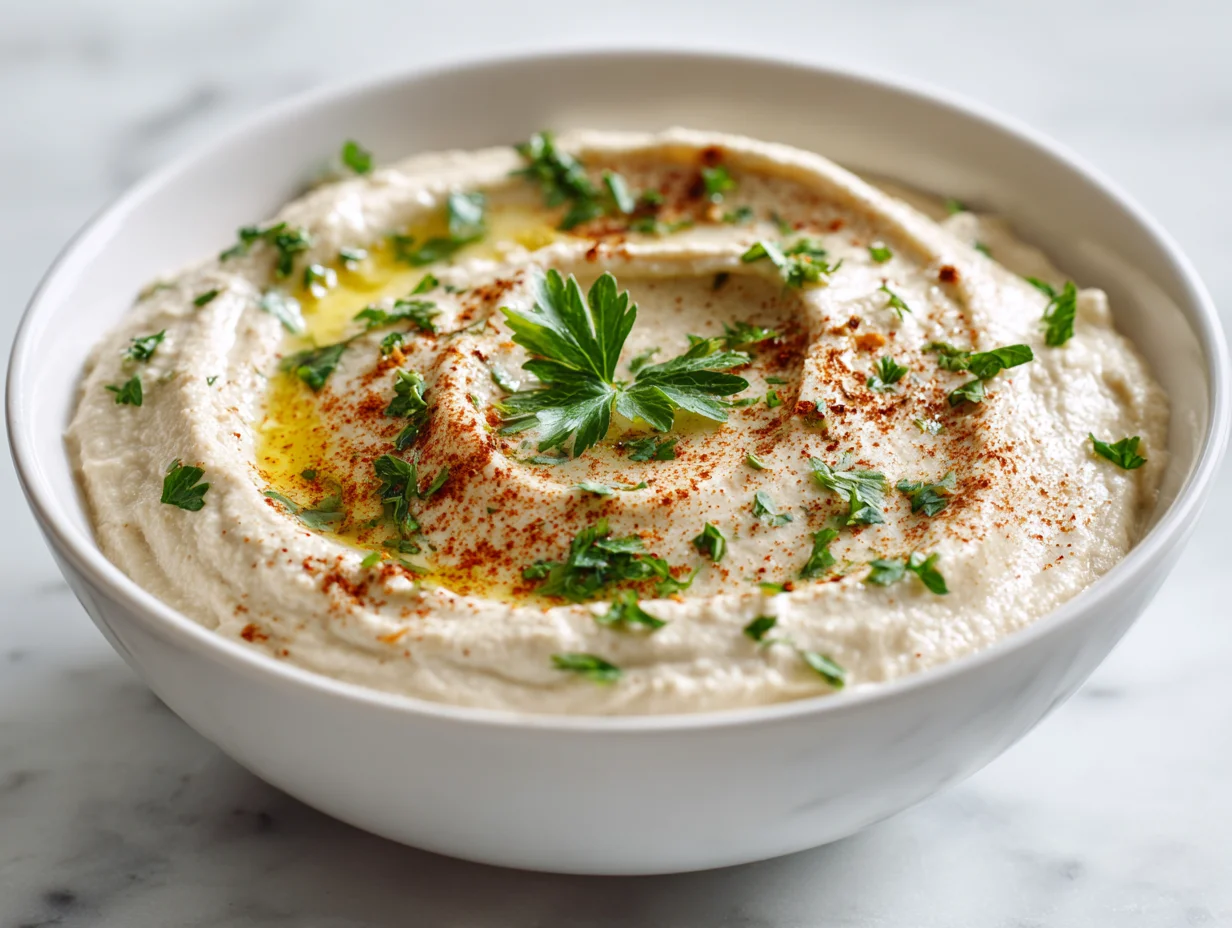
Tahini is more than just a sesame paste, it’s the backbone of countless Middle Eastern dishes, transforming simple meals into rich, flavorful experiences. A perfectly balanced tahini sauce delivers a silky texture, a nutty depth, and a subtle tang that elevates everything from grilled meats to fresh salads. Mastering this recipe is not optional for a serious home cook; it’s essential.
In professional kitchens, tahini sauce is judged by its smoothness and balance. Too thick, and it feels heavy; too thin, and it loses character. The magic lies in controlling texture while layering flavors with precision. Once you understand the technique, you’ll never rely on store-bought versions again.
This guide is crafted from a chef’s perspective, precise, practical, and refined. You’ll learn not just how to make tahini sauce, but how to perfect it every single time.
Let’s create a sauce that’s bold, smooth, and irresistibly nutty.
Table of Contents
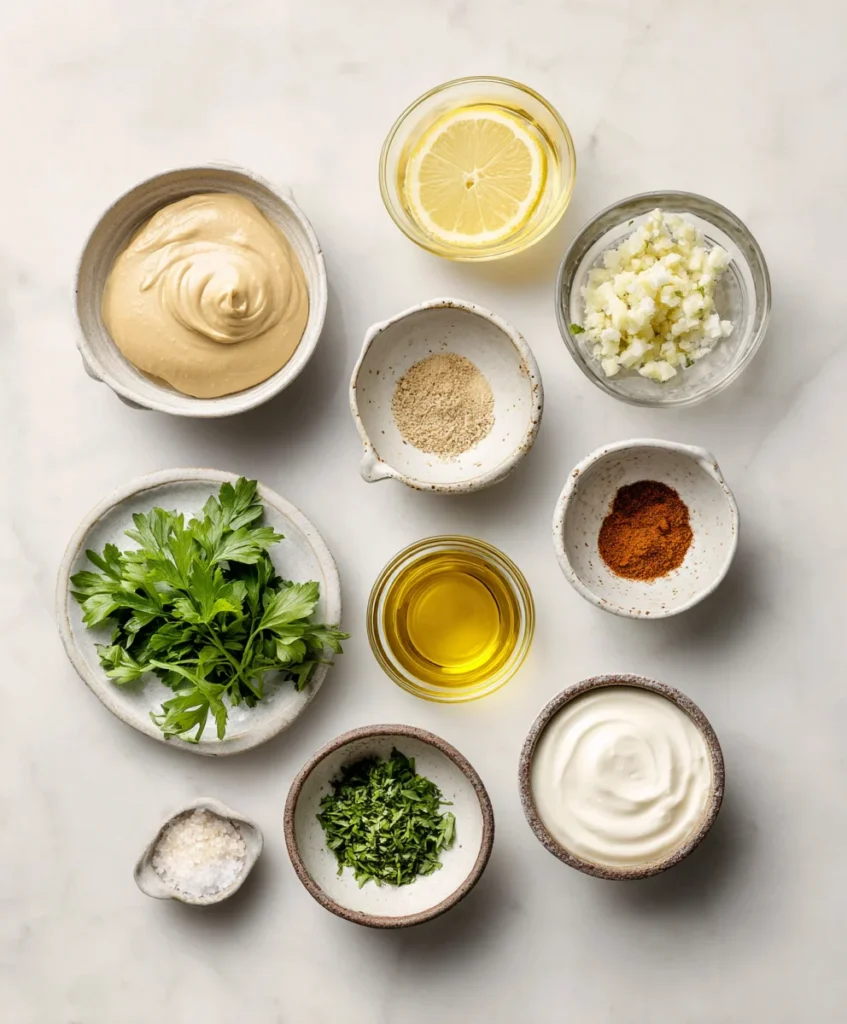
Ingredients You’ll Need
Base Ingredients:
- Tahini paste – ½ cup
- Fresh lemon juice – 3 tablespoons
- Garlic (finely minced) – 2 cloves
- Cold water – 4 to 6 tablespoons
- Salt – ½ teaspoon
Optional Add-ins:
- Olive oil – 1 tablespoon
- Ground cumin – ¼ teaspoon
- Paprika – ¼ teaspoon
- Fresh parsley (chopped) – 1 tablespoon
- Yogurt – 2 tablespoons
Step-by-Step Intrusions
Step 1: Prepare the Base
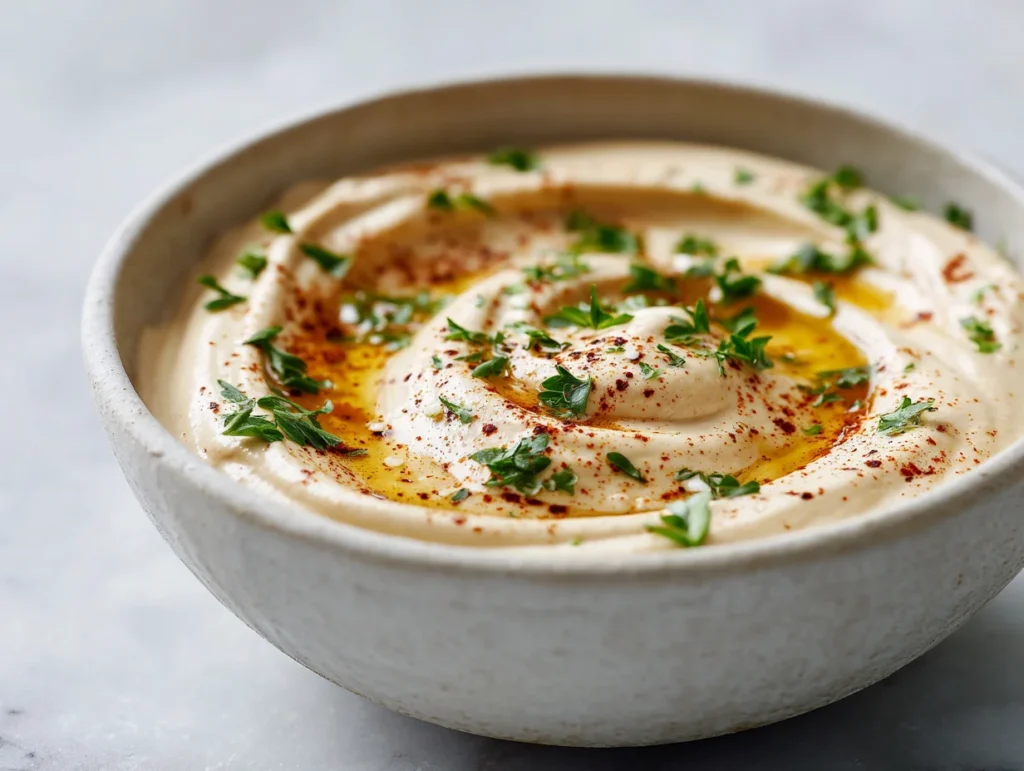
Start by placing tahini in a medium bowl and whisking it briefly to loosen its natural density. Add lemon juice and minced garlic, then mix thoroughly.
At this stage, the mixture may seize and thicken—this is expected. The acidity reacts with tahini, creating a dense texture. Stay patient and keep mixing gently until it begins to smooth out slightly.
Step 2: Adjust the Texture
Gradually add cold water, one tablespoon at a time, whisking continuously. You’ll notice the sauce loosening and turning lighter in color. This transformation is key to achieving the signature creamy consistency.
Avoid adding too much water at once, as it can make the sauce overly thin. Aim for a pourable yet rich texture that coats a spoon evenly.
Step 3: Season and Balance
Add salt and taste the sauce carefully. Adjust acidity by adding a few drops of lemon juice if needed. If the garlic flavor feels too sharp, let the sauce rest for five minutes, it will mellow naturally.
This step is about balance; a well-made tahini sauce should have a harmonious blend of nutty, tangy, and savory notes.
Step 4: Enhance with Add-ins
For a more complex flavor, incorporate olive oil, cumin, or paprika. Stir gently to maintain the smooth texture. If you prefer a creamier variation, whisk in yogurt for a slightly tangy twist.
Finish with chopped parsley for freshness. These additions allow you to customize the sauce depending on the dish you’re pairing it with.
Cook Time
Total: 10 minutes
Prep: 10 minutes
Bake: 0 minutes
Servings
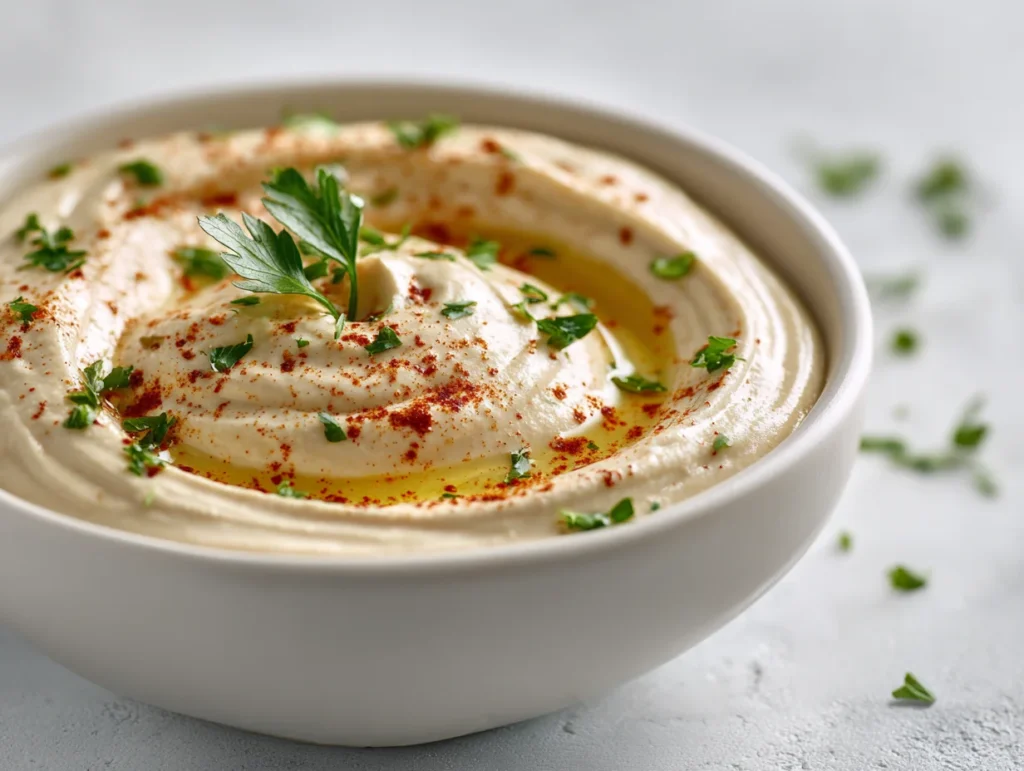
This tahini sauce recipe is designed to yield a versatile batch suitable for multiple uses. It pairs beautifully with grilled vegetables, roasted meats, or even as a dip for warm bread. The quantity ensures you have enough to experiment across different meals without needing to remake it frequently.
In terms of portioning, the sauce comfortably serves around 4 to 6 people when used as a condiment or dressing. Its richness means a little goes a long way, making it both economical and efficient in the kitchen. You can easily scale the recipe up or down depending on your needs.
Makes approximately 1 cup of smooth tahini sauce, ideal for both everyday meals and elevated presentations. Its consistency remains stable for a few days, making it perfect for meal prep and quick assembly dishes.
Common Texture Mistakes That Ruin Tahini Sauce
One of the most frequent mistakes is adding water too quickly. This causes the tahini to split or become overly thin, resulting in a sauce that lacks body and structure. Many beginners panic when the mixture thickens initially and overcompensate with excess liquid.
Another issue is using low-quality tahini. Poor-quality paste often has a bitter aftertaste and grainy texture, which directly impacts the final result. Even with perfect technique, the sauce cannot reach a professional standard without a good base ingredient.
Overpowering garlic is also a common problem. Adding too much or not finely mincing it can lead to a harsh, unbalanced flavor that dominates the sauce. This mistake reduces the subtle nuttiness that tahini should highlight.
Lastly, skipping proper mixing leads to uneven texture. Without consistent whisking, the sauce may contain lumps or separated layers, making it visually unappealing and less enjoyable to eat.
How to Fix and Perfect Your Tahini Sauce Every Time
To prevent thinning issues, always add water gradually. Whisk continuously and observe the texture before adding more. This controlled approach ensures a smooth, emulsified consistency that feels professional and balanced.
Choose high-quality tahini with a creamy consistency and mild aroma. Stir the jar well before using, as natural oils tend to separate. This simple step significantly improves both flavor and texture.
For garlic, use fresh cloves and mince them finely. If you prefer a milder taste, let the garlic sit in lemon juice for a minute before mixing. This technique softens its sharpness without losing depth.
Consistency comes from patience. Whisk thoroughly at every stage and allow the sauce to rest briefly before serving. This helps flavors meld together and creates a refined, restaurant-quality finish.
Nutritional Information (approx. per serving)
- Calories: ~90 kcal
- Protein: ~3g
- Fat: ~8g
- Carbohydrates: ~3g
- Fiber: ~1g
- Sodium: ~120mg
Tahini sauce is naturally rich in healthy fats, primarily from sesame seeds, which support heart health. These fats contribute to sustained energy and improved nutrient absorption.
It also provides plant-based protein, making it a valuable addition to vegetarian and vegan diets. This helps in muscle repair and overall body maintenance.
The presence of minerals like calcium and magnesium supports bone strength and metabolic function. Regular consumption in moderation can contribute to long-term wellness.
Additionally, tahini contains antioxidants that help reduce inflammation. This makes it not just flavorful but also beneficial for overall health when incorporated into a balanced diet.
Storage Instructions
Store tahini sauce in an airtight container in the refrigerator immediately after preparation. Proper sealing prevents contamination and preserves freshness.
The sauce typically stays fresh for up to 4 to 5 days. Stir it before each use, as natural separation may occur during storage.
If the sauce thickens over time, add a small amount of cold water and whisk to restore its original consistency. Avoid reheating directly, as it can alter the texture.
Always use a clean spoon when serving to maintain hygiene and extend shelf life. Proper handling ensures consistent quality throughout its storage period.
Suggestions
Tahini sauce pairs exceptionally well with grilled chicken, roasted vegetables, and falafel. Its versatility allows it to complement both simple and complex dishes.
Use it as a salad dressing by thinning it slightly with water. It adds a rich, nutty dimension that enhances even basic greens.
For a modern twist, drizzle it over grain bowls or wraps. It works beautifully with quinoa, rice, or flatbreads, adding depth and creaminess.
You can also experiment with flavors by adding herbs or spices. Small adjustments can create entirely new variations tailored to your taste preferences.
Seasonal Relevance
Tahini sauce is a year-round staple, but it shines particularly in warmer months when lighter, fresh meals are preferred. Its refreshing tang pairs well with seasonal vegetables.
In summer, it complements grilled dishes and salads, providing richness without heaviness. It’s ideal for outdoor meals and quick lunches.
During colder months, it adds warmth and depth to roasted dishes and hearty bowls. Its creamy texture balances robust flavors beautifully.
Its adaptability makes it a reliable component across all seasons, ensuring consistent use in both casual and refined cooking.
Finl Words
Tahini sauce is a simple recipe, but mastering it reflects true culinary skill. Precision, patience, and ingredient quality make all the difference.
Once perfected, it becomes a staple you’ll rely on regularly. Its versatility ensures it never feels repetitive or limited.
As a chef, I always emphasize technique over complexity. This sauce proves that even the simplest recipes can achieve excellence with the right approach.
Make it once with care, and you’ll understand why it’s a cornerstone in professional kitchens worldwide.
Frequently Asked Questions
Can tahini sauce be made without garlic?
Yes, you can skip garlic entirely or replace it with a mild alternative like roasted garlic. The sauce will still retain its nutty and tangy profile, making it suitable for those who prefer a softer flavor.
Why does my tahini sauce taste bitter?
Bitterness usually comes from low-quality tahini or overuse of garlic. Always use fresh, high-quality tahini and balance it with enough lemon juice to achieve a smoother, more pleasant flavor.
Can I freeze tahini sauce?
Freezing is not recommended, as it can alter the texture and cause separation. It’s best to prepare fresh batches and store them in the refrigerator for short-term use.
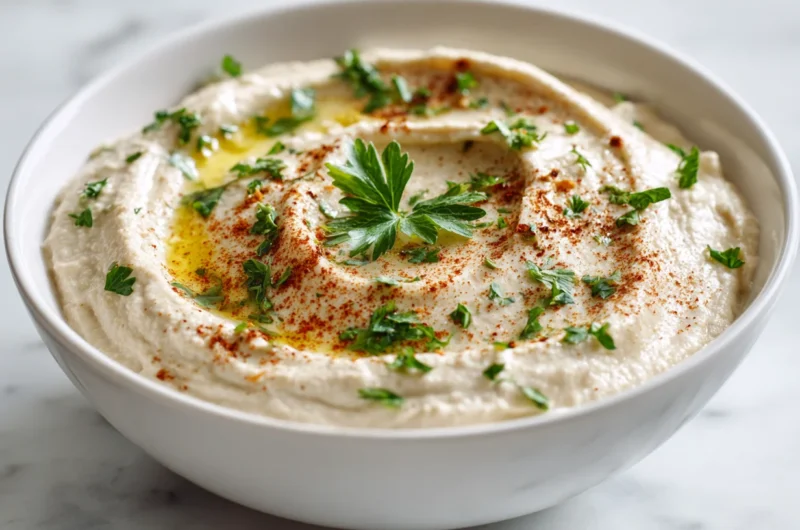
Tahini Sauce Recipe That’s Nutty and Smooth
4
servings10
minutes90
kcalA smooth, nutty tahini sauce made with simple pantry ingredients. This versatile Middle Eastern staple delivers a creamy texture with balanced tang and richness, perfect for drizzling, dipping, or enhancing everyday meals with a professional touch.
Ingredients
Tahini paste – ½ cup
Fresh lemon juice – 3 tablespoons
Garlic (finely minced) – 2 cloves
Cold water – 4 to 6 tablespoons
Salt – ½ teaspoon
Optional Add-ins:
Olive oil – 1 tablespoon
Ground cumin – ¼ teaspoon
Paprika – ¼ teaspoon
Fresh parsley (chopped) – 1 tablespoon
Yogurt – 2 tablespoons
Directions
- In a bowl, whisk tahini paste until smooth and loosened.
- Add lemon juice and minced garlic, mixing thoroughly until the mixture thickens slightly.
- Gradually add cold water, one tablespoon at a time, whisking continuously until smooth and creamy.
- Add salt and adjust flavor with extra lemon juice if needed.
- Mix in optional ingredients like olive oil, cumin, or yogurt for enhanced flavor.
- Let the sauce rest briefly, then serve or store as needed.
Recipe Video
Notes
- Always add water gradually to avoid thinning the sauce too much.
- Use high-quality tahini for best flavor and smooth texture.
- Let the sauce rest for a few minutes to balance flavors.
- Store in an airtight container in the refrigerator for up to 5 days.
- Stir before use as natural separation may occur.