
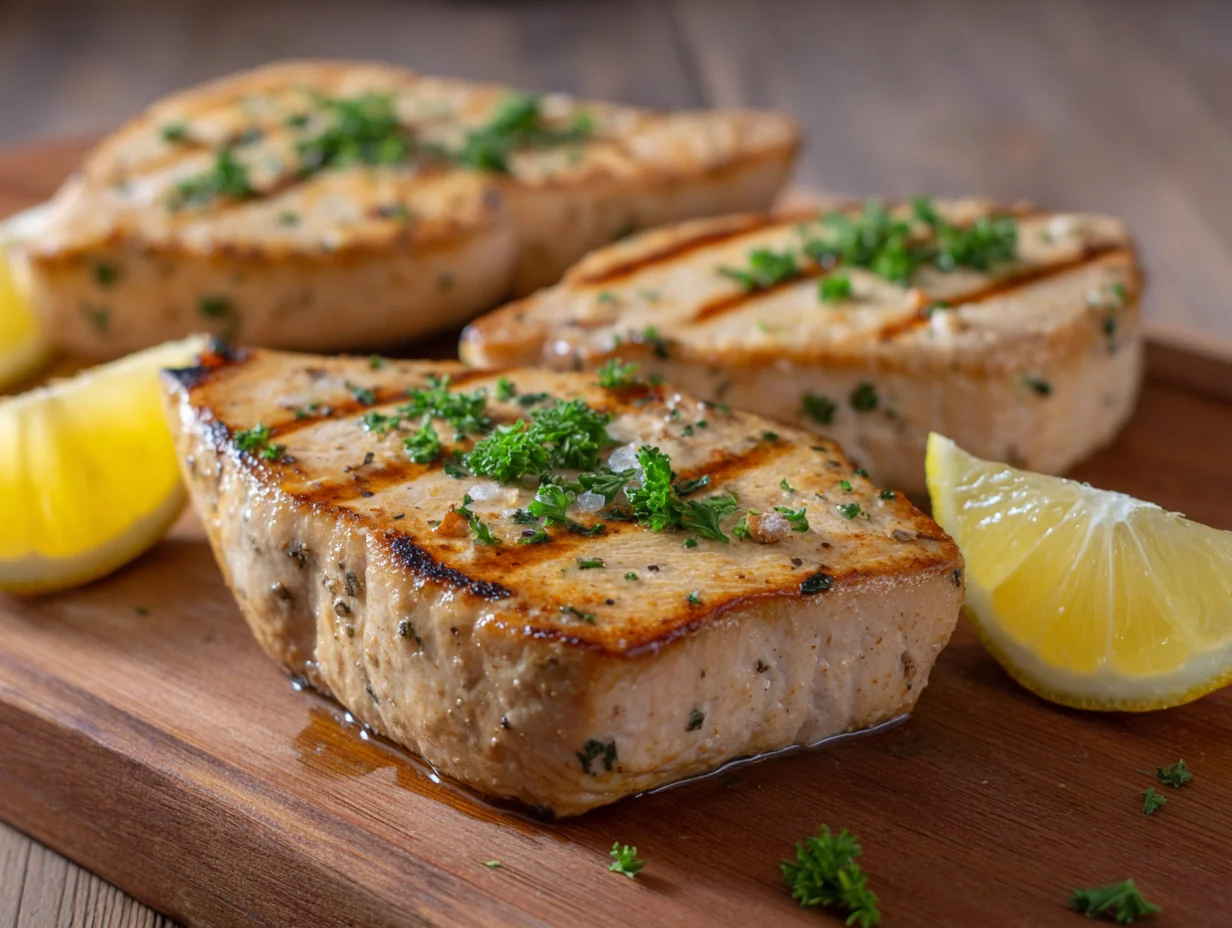
A perfectly cooked swordfish steak is the definition of simple luxury. With its firm, meaty texture and rich flavor, swordfish transforms a quick meal into a fine-dining experience when handled with precision and care.
What sets swordfish apart is its ability to absorb marinades while maintaining its structure. This makes it ideal for grilling, pan-searing, or baking, delivering a juicy interior with a beautifully caramelized exterior.
This recipe focuses on balance, highlighting the natural flavor of the fish while enhancing it with citrus, herbs, and a touch of seasoning. The result is a dish that feels refined yet approachable.
Whether you’re cooking for a weeknight dinner or impressing guests, this swordfish steak recipe guarantees consistent, restaurant-quality results every time.
Table of Contents
Ingredients You’ll Need
Base Ingredients:
- Swordfish steaks – 2 pieces (200g each)
- Olive oil – 2 tbsp
- Garlic cloves – 2 (minced)
- Lemon juice – 2 tbsp
- Salt – 1 tsp
- Black pepper – ½ tsp
- Paprika – 1 tsp
Optional Add-ins:
- Fresh parsley – 2 tbsp (chopped)
- Chili flakes – ½ tsp
- Butter – 1 tbsp
- Lemon zest – 1 tsp
- Thyme – ½ tsp
Step-by-Step Intrusions
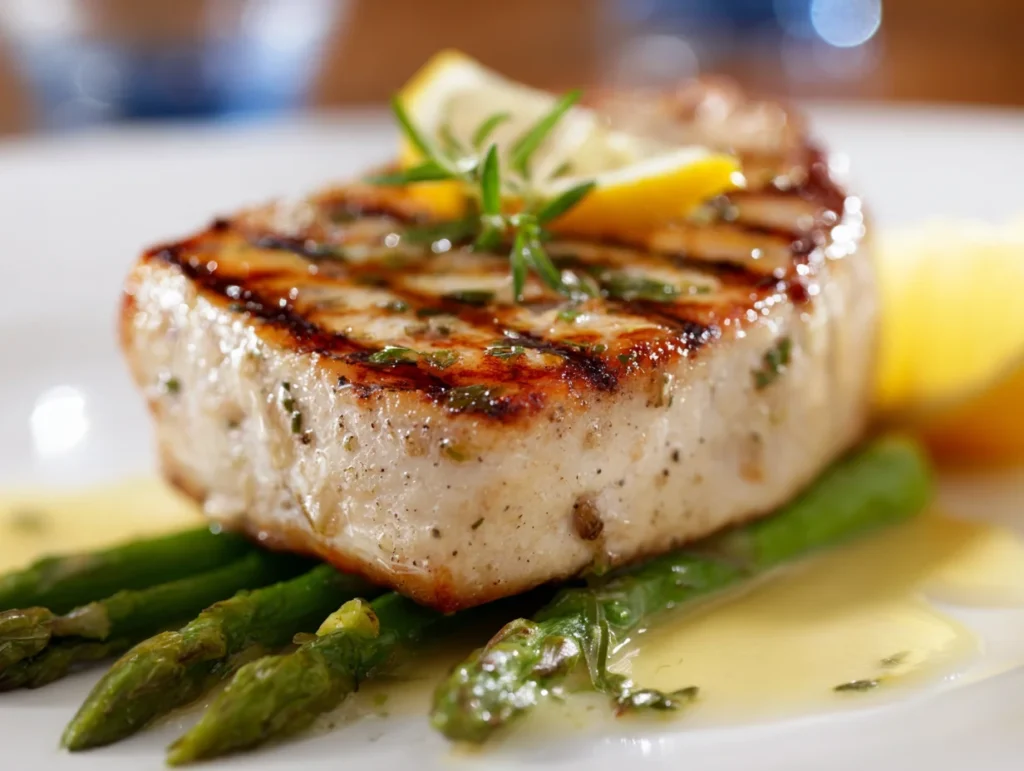
Step 1: Preparing the Swordfish
Start by patting the swordfish steaks dry using paper towels. This step is crucial for achieving a proper sear and preventing excess moisture.
Drizzle olive oil and rub it evenly over the fish. Add salt, black pepper, paprika, and minced garlic, ensuring every surface is coated.
Let the fish rest for 10–15 minutes so it absorbs the seasoning. This preparation step enhances natural flavors while setting the foundation for a well-balanced dish with a perfect texture and aroma.
Step 2: Heating and Searing
Heat a heavy pan or grill over medium-high heat until properly hot. Place the swordfish steaks onto the surface without overcrowding.
Cook for about 3–4 minutes on one side without moving, allowing a golden crust to form. Flip carefully and cook the other side evenly.
Proper searing locks in moisture and creates a slightly crisp exterior. Avoid excessive flipping, as this can break the fish. The goal is a firm, juicy interior with a beautifully browned surface.
Step 3: Adding Flavor Enhancements
Once both sides are seared, reduce heat slightly and add butter, lemon juice, and optional herbs like thyme or parsley. Spoon the melted butter mixture over the fish repeatedly for added richness.
This step enhances the overall flavor profile, giving the fish a glossy finish and aromatic depth. The citrus balances richness while herbs add freshness. Continue cooking briefly until the fish is just done. Avoid overcooking to maintain tenderness and prevent dryness.
Step 4: Resting and Serving
Remove the swordfish from heat and let it rest for a few minutes before serving. Resting allows juices to redistribute, ensuring a moist and flavorful bite. Garnish with fresh parsley and lemon zest for a bright finish.
Serve immediately with your preferred sides such as vegetables or rice. This final step completes the dish, delivering a balanced, restaurant-quality swordfish steak that is both visually appealing and deeply satisfying.
Cook Time
Total: 20 minutes
Prep: 10 minutes
Bake: 10 minutes
Servings
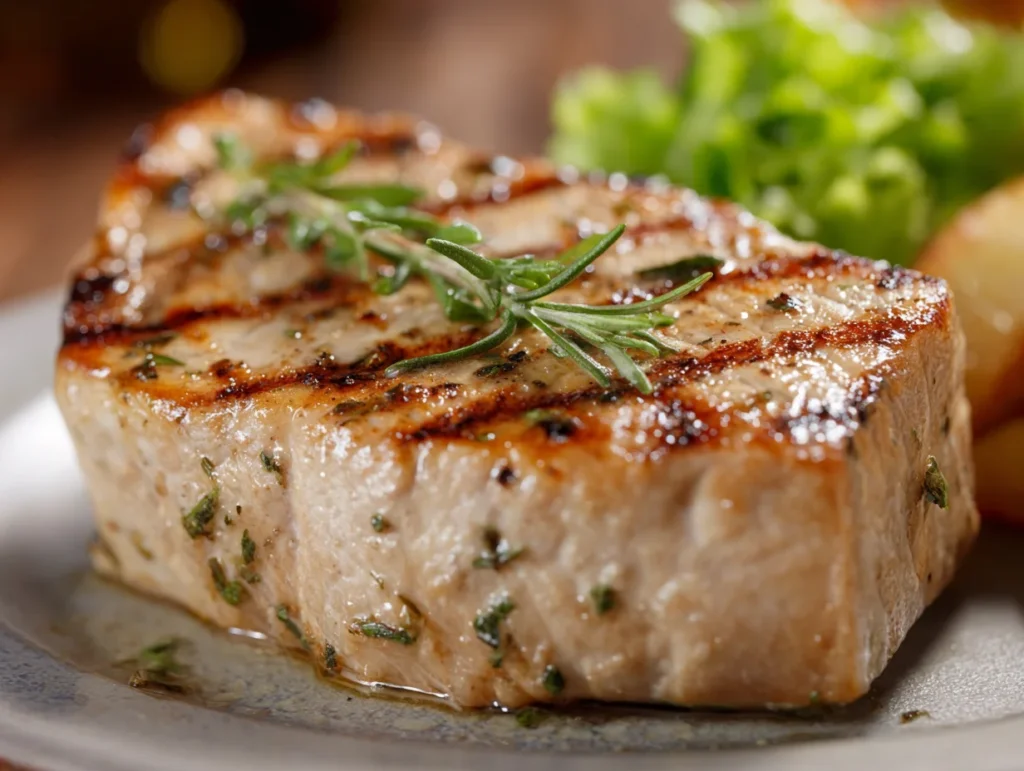
This recipe serves approximately 2–3 people, depending on portion size and side dishes. Each serving offers a generous portion of protein-rich swordfish with a balanced flavor profile.
The portion is ideal for a light yet satisfying meal, especially when paired with fresh salads or grilled vegetables. It works well for both individual plates and shared dining.
Each serving delivers a premium seafood experience with minimal ingredients and maximum flavor impact.
Makes approximately
Common Mistake in Swordfish Steak Recipe
One common mistake is overcooking the swordfish, which quickly turns it dry and tough due to its lean texture.
Another issue is not drying the fish properly before cooking, preventing a proper sear and resulting in a soggy surface.
Many cooks also skip resting time, causing juices to escape and reducing overall flavor and moisture.
Finally, using too much seasoning can overpower the natural taste of the fish instead of enhancing it.
Solution for Swordfish Steak Recipe
Cook swordfish just until it is opaque and firm to avoid dryness.
Always pat the fish dry before seasoning to achieve a perfect crust.
Allow the fish to rest briefly after cooking to retain juices.
Use balanced seasoning to highlight the fish’s natural flavor.
Nutritional Information (approx. per serving)
- Calories: 320
- Protein: 34g
- Fat: 18g
- Carbohydrates: 2g
- Omega-3: High
- Sodium: 280mg
Swordfish is rich in high-quality protein, supporting muscle growth and repair.
It contains healthy fats that contribute to heart health when consumed in moderation.
The dish is low in carbohydrates, making it suitable for balanced diets.
Storage Instructions
Store leftover swordfish in an airtight container in the refrigerator.
Consume within 2–3 days for best taste and safety.
Reheat gently to avoid drying out the fish.
Avoid freezing after cooking, as it may affect texture.
Suggestions
Serve swordfish with grilled vegetables or fresh salads for a balanced meal.
Pair it with rice or light pasta for a more filling option.
Add a squeeze of fresh lemon before serving to enhance flavor.
It also works well with simple herb sauces or light dressings.
Seasonal Relevance
Swordfish is best enjoyed in warmer months when lighter meals are preferred.
It pairs well with summer vegetables and fresh herbs.
However, it can also be enjoyed year-round with different side dishes.
Its versatility makes it suitable for both casual and special meals.
Final Words
This swordfish steak recipe is all about simplicity and precision.
With proper cooking techniques, it delivers restaurant-quality results at home.
Its rich flavor and firm texture make it a standout seafood dish.
Once mastered, it becomes a reliable and impressive recipe for any occasion.
Frequently Asked Questions
How do I know when swordfish is fully cooked?
Swordfish is done when it becomes opaque and firm to the touch. It should still remain slightly moist inside. Overcooking will make it dry, so remove it from heat as soon as it reaches the right texture.
Can I grill swordfish instead of pan-searing?
Yes, swordfish is excellent for grilling due to its firm texture. Simply follow the same seasoning process and cook on a hot grill for a similar time until nicely charred and cooked through.
What sides go best with swordfish steak?
Swordfish pairs well with grilled vegetables, rice, salads, or light pasta. Fresh and simple sides help balance its rich flavor while keeping the meal light and satisfying.
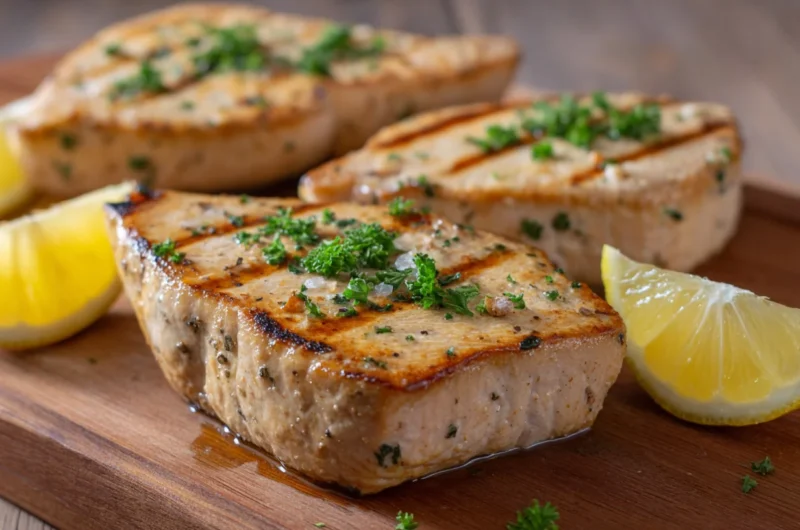
Perfect Swordfish Steak Recipe
2
servings10
minutes10
minutes320
kcalThis perfect swordfish steak recipe delivers a juicy, flavorful seafood dish with a golden sear and fresh citrus finish. Simple ingredients and expert technique create a restaurant-quality meal that’s quick, healthy, and incredibly satisfying.
Ingredients
Swordfish steaks – 2 pieces (200g each)
Olive oil – 2 tbsp
Garlic cloves – 2 (minced)
Lemon juice – 2 tbsp
Salt – 1 tsp
Black pepper – ½ tsp
Paprika – 1 tsp
Fresh parsley – 2 tbsp (chopped)
Chili flakes – ½ tsp
Butter – 1 tbsp
Lemon zest – 1 tsp
Thyme – ½ tsp
Directions
- Pat swordfish dry and season with olive oil, garlic, salt, pepper, and paprika. Heat a pan over medium-high heat and sear steaks for 3–4 minutes per side. Add butter, lemon juice, and herbs, basting continuously. Cook until just done, rest briefly, then garnish and serve.
Recipe Video
Notes
- Always pat fish dry for proper searing
- Do not overcook to avoid dryness
- Let fish rest before serving
- Use fresh lemon for best flavor
- Medium-high heat ensures perfect crust
- Fresh herbs enhance aroma and taste