
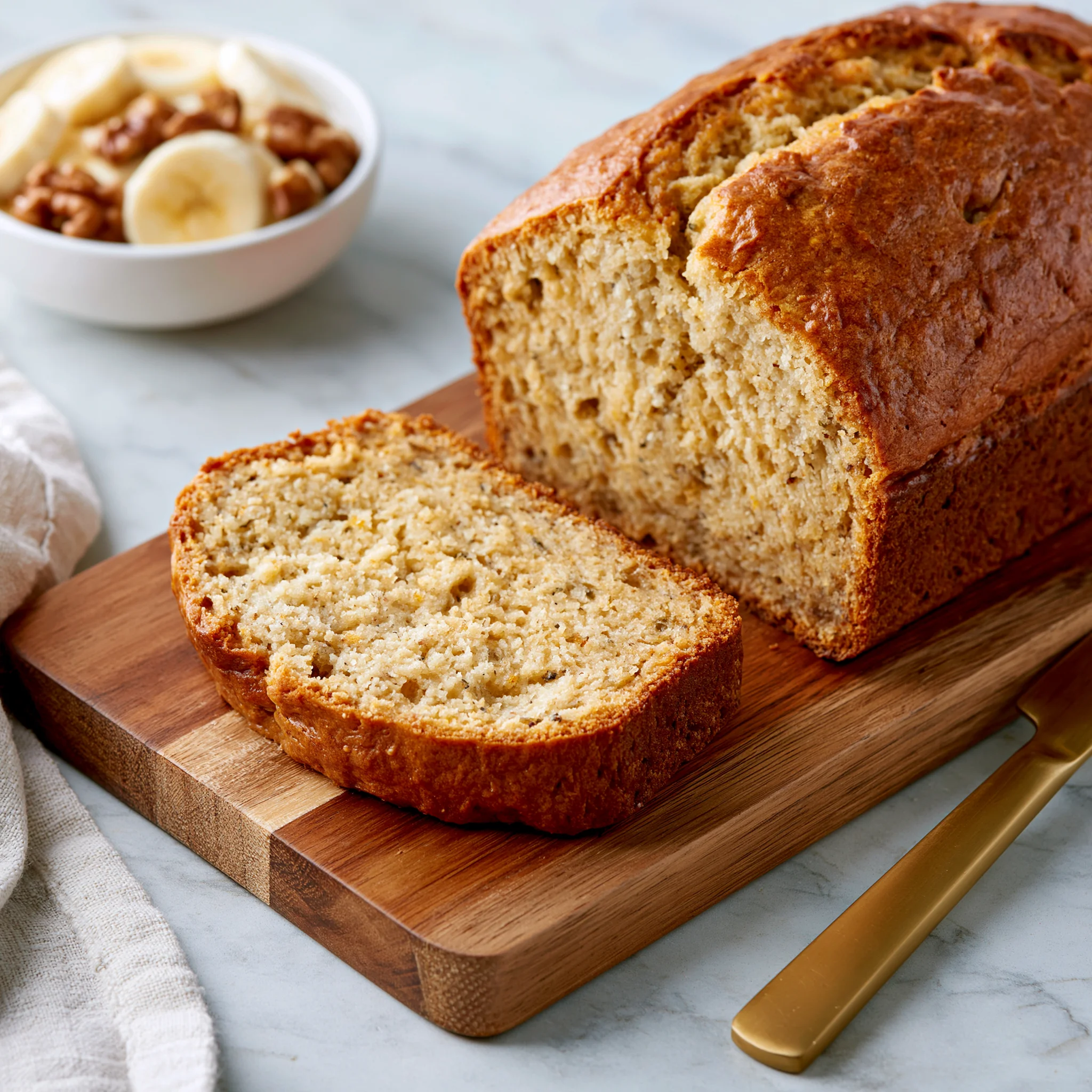
Fresh homemade bread has a way of transforming even the simplest meal into something warm and memorable. This soft quick bread recipe is designed for moments when you want bakery-style comfort without long proofing times or complicated techniques. It delivers softness, aroma, and structure in a fraction of the usual time.
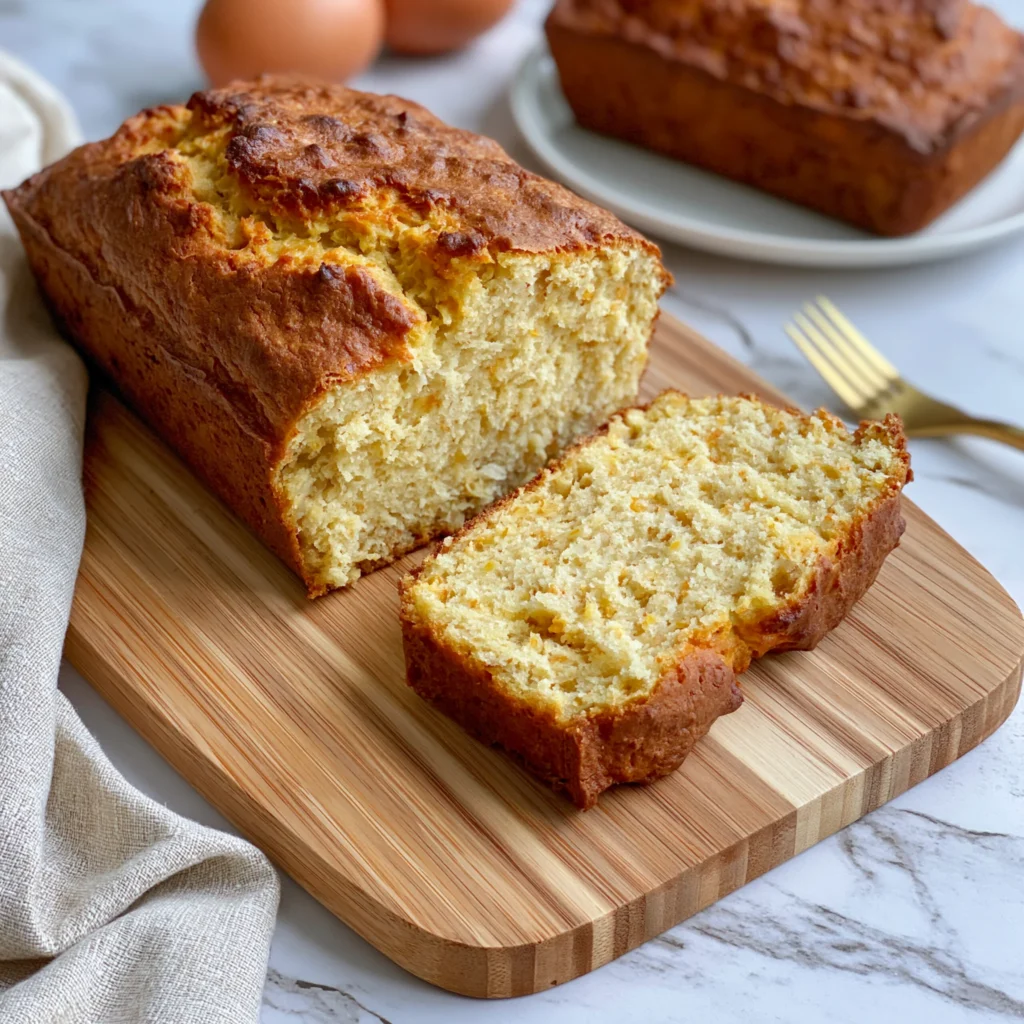
Unlike traditional yeast breads that require patience and rising, this quick bread relies on smart ingredient balance. The result is a tender crumb with a lightly golden crust that feels fresh from an artisan kitchen. It is ideal for beginners and busy home cooks.
The beauty of this recipe lies in its versatility. You can enjoy it plain, pair it with soups, or turn it into sandwiches. Every slice stays soft, moist, and flavorful even hours after baking.
If you are looking for a reliable homemade bread that works for breakfast, lunch, or dinner tables, this recipe is a dependable choice that never disappoints.
Table of Contents
Ingredients You’ll Need
Base Ingredients:
- 2 cups all-purpose flour
- 1 tbsp baking powder
- 1/2 tsp salt
- 1 tbsp sugar
- 3/4 cup milk
- 1/4 cup melted butter
- 1 large egg
- 1 tsp vanilla extract
Optional Add-ins:
- 1/2 cup shredded cheese
- 1 tbsp honey
- 1/2 tsp garlic powder
- 1 tbsp chopped herbs (parsley or oregano)
- 1/4 cup raisins or nuts
Step-by-Step Intrusions
1. Prepare Dry Base
In a large mixing bowl, combine all-purpose flour, baking powder, salt, and sugar. Whisk thoroughly to ensure even distribution of leavening agents.
This step is essential for consistent rise. Proper mixing prevents dense spots and ensures the bread bakes evenly with a soft interior structure.
2. Mix Wet Ingredients
In a separate bowl, whisk milk, melted butter, egg, and vanilla extract until smooth and fully combined. Make sure the butter is not too hot.
Balanced wet ingredients help create a moist crumb. Proper emulsification ensures the bread remains tender instead of dry or crumbly.
3. Combine Gently
Pour wet mixture into dry ingredients and fold gently using a spatula. Do not overmix; stop as soon as ingredients come together.
Overmixing develops gluten and makes bread tough. Light folding keeps texture soft and bakery-style, which is key for quick bread success.
4. Bake to Perfection
Pour batter into a greased loaf pan and bake at 180°C (350°F) for 25–30 minutes until golden and a toothpick comes out clean.
Baking time ensures structure sets properly while keeping interior soft. Rest before slicing for best texture and flavor.
Cook Time
Total: 40 minutes
Prep: 10 minutes
Bake: 30 minutes
Servings
This recipe makes approximately 8 to 10 slices of soft quick bread, depending on thickness of each cut.
It is ideal for small families, offering enough portions for breakfast, snacks, or side servings across multiple meals.
For larger gatherings, the recipe can be doubled easily without changing texture or baking performance.
Each slice holds its softness well, making it suitable for both fresh serving and next-day use.
Common Baking Mistakes in Quick Bread
One common mistake is overmixing the batter. Many home bakers continue stirring even after ingredients are combined, which results in a dense and chewy texture instead of a soft crumb.
Another issue is incorrect oven temperature. Baking too hot causes the crust to brown quickly while leaving the inside undercooked and heavy.
Skipping proper ingredient measurement is also a problem. Even slight imbalance in flour or liquid can affect texture significantly.
Opening the oven too early disrupts rising and can cause the bread to sink in the center after baking.
How to Fix Bread Texture Issues
Mix ingredients only until combined. Stop immediately once no dry flour remains to preserve softness.
Always preheat the oven fully before baking. Stable temperature ensures even rise and consistent texture.
Use accurate measuring cups for dry and wet ingredients. Precision creates reliable results every time.
Avoid opening the oven door during the first half of baking to maintain structure and proper lift.
Nutritional Information (approx. per serving)
- Calories: 160
- Carbohydrates: 22g
- Fat: 6g
- Protein: 4g
- Sugar: 2g
- Fiber: 1g
This bread provides balanced energy from carbohydrates, making it suitable for breakfast or snack time.
Egg and milk contribute protein and calcium for daily nutritional support.
Moderate fat from butter enhances flavor and helps maintain softness.
Homemade preparation allows control over ingredients and reduces unnecessary additives.
Storage Instructions
Allow bread to cool completely before storing to prevent moisture buildup.
Keep in an airtight container at room temperature for up to 2 days.
For longer freshness, refrigerate for up to 5 days, wrapped properly.
Bread can also be frozen in slices and reheated as needed for quick serving.
Suggestions
Serve warm with butter or jam for a simple breakfast option.
Use as sandwich bread for cheese, eggs, or grilled vegetables.
Pair with soups and stews to create a complete comforting meal.
Add herbs or cheese variation for a savory twist.
Seasonal Relevance
In winter, this bread pairs perfectly with hot soups and stews for comforting meals.
Spring versions feel lighter when served with fresh salads and herbal spreads.
Summer breakfasts benefit from toasted slices with fruit and honey.
Autumn brings rich pairings with warm spices, soups, and roasted dishes.
Finl Words
This soft quick bread recipe proves that homemade baking can be simple yet deeply satisfying.
It delivers bakery-level softness without long waiting times or complex steps.
Once mastered, it becomes a reliable staple for everyday meals and gatherings.
Fresh, warm slices bring comfort to any table, any time of year.
Frequently Asked Questions
Can I make quick bread without eggs?
Yes, eggs can be replaced with yogurt, mashed banana, or flaxseed mixture. The texture may become slightly denser, but the bread will still stay soft and moist if ingredients are balanced correctly during mixing and baking.
Why is my quick bread dense instead of soft?
Dense texture usually comes from overmixing or incorrect flour measurement. Mixing too long develops gluten, making bread heavy. Using accurate measurements and folding gently helps maintain a soft, airy crumb structure.
Can I add flavors to quick bread?
Yes, quick bread is very versatile. You can add cheese, herbs, garlic, honey, or dried fruits. However, additions should not exceed recommended amounts to avoid affecting batter balance and baking performance.
Soft Quick Bread Recipe
8
servings10
minutes30
minutes160
kcalSoft quick bread made with simple pantry ingredients, baked until golden with a tender crumb and light texture. Perfect for breakfast, snacks, sandwiches, or pairing with soups, offering fresh homemade comfort in every slice.
Ingredients
2 cups all-purpose flour
1 tbsp baking powder
1/2 tsp salt
1 tbsp sugar
3/4 cup milk
1/4 cup melted butter
1 large egg
1 tsp vanilla extract
Optional Add-ins:
1/2 cup shredded cheese
1 tbsp honey
1/2 tsp garlic powder
1 tbsp chopped herbs (parsley or oregano)
1/4 cup raisins or nuts
Directions
- Preheat oven to 180°C (350°F) and grease a loaf pan.
- Mix flour, baking powder, salt, and sugar in a bowl.
- In another bowl, whisk milk, melted butter, egg, and vanilla.
- Combine wet and dry ingredients gently without overmixing.
- Pour batter into loaf pan and smooth the top.
- Bake for 25–30 minutes until golden and a toothpick comes out clean.
- Cool before slicing and serving.
Recipe Video
Notes
- Do not overmix batter to keep bread soft.
- Always preheat oven for even baking.
- Add-ins should be limited to maintain texture.
- Let bread cool fully before slicing.
- Store in airtight container for freshness.