
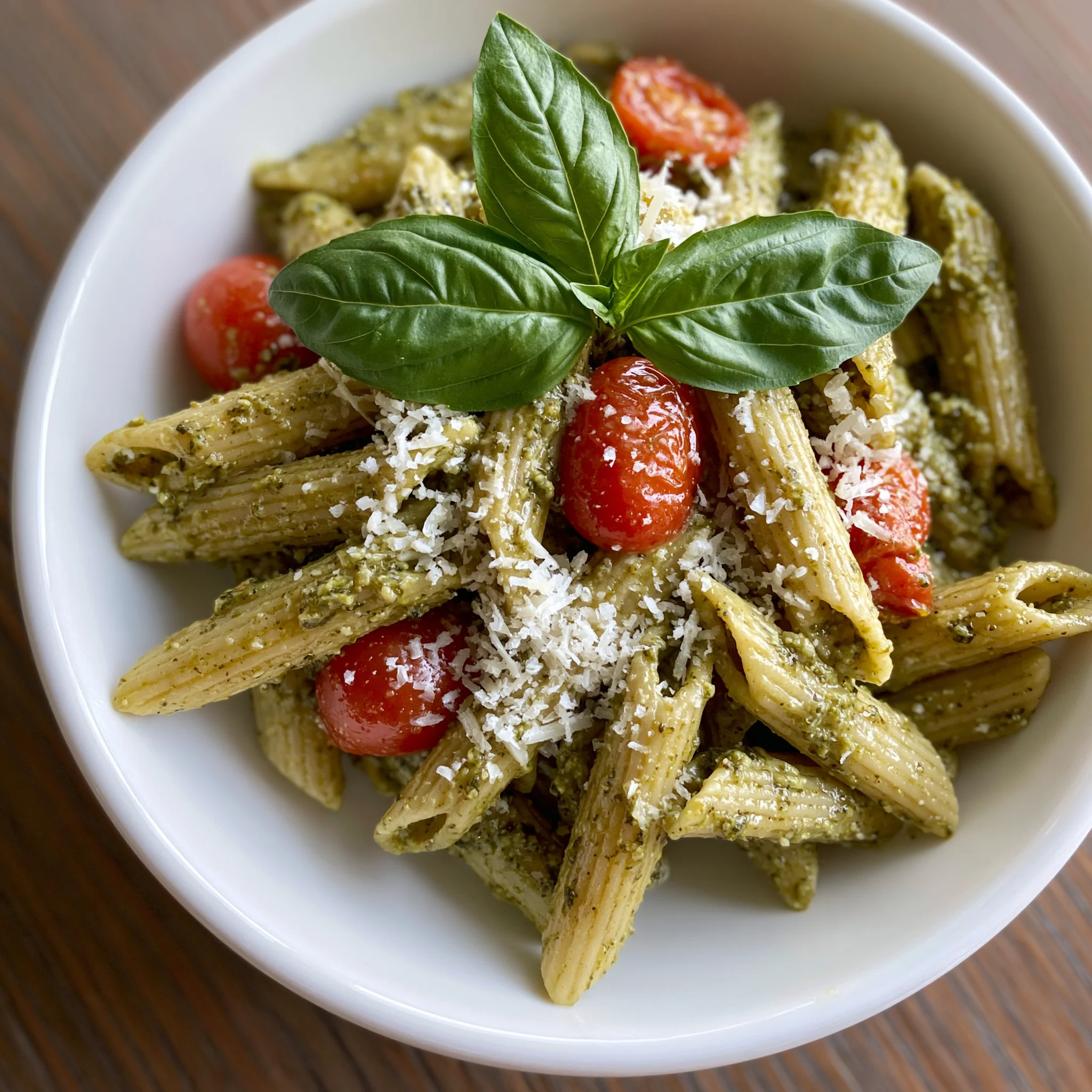
Pesto Pasta is a timeless Italian classic that transforms simple ingredients into a deeply aromatic and flavorful dish. Its vibrant green sauce, made from fresh basil and olive oil, creates a luxurious coating that clings beautifully to every strand of pasta.
What makes this recipe exceptional is its balance of freshness and richness. Unlike heavy cream-based sauces, pesto delivers bold flavor using herbs, nuts, and cheese, creating a naturally satisfying and energizing meal.
This dish is designed for speed without compromising quality. In just minutes, you can create a restaurant-style pasta that feels fresh, light, and full of character, making it perfect for busy weeknights or quick gourmet meals.
From its fragrant basil aroma to its silky texture, pesto pasta represents simplicity at its finest. It is a dish that proves elegance in cooking often comes from the purest ingredients handled with care.
Table of Contents
Ingredients You’ll Need
Base Ingredients:
- Pasta (spaghetti or penne) *250 g
- Fresh basil leaves *2 cups
- Garlic cloves *3 pieces
- Pine nuts *3 tablespoons
- Olive oil *½ cup
- Parmesan cheese *½ cup grated
- Salt *to taste
- Black pepper *1 teaspoon
- Lemon juice *1 tablespoon
Optional Add-ins:
- Cherry tomatoes *1 cup
- Spinach leaves *1 cup
- Grilled chicken *1 cup (optional)
- Zucchini *1 cup sliced
- Chili flakes *1 teaspoon
- Mushrooms *1 cup sliced
Step-by-Step Intrusions
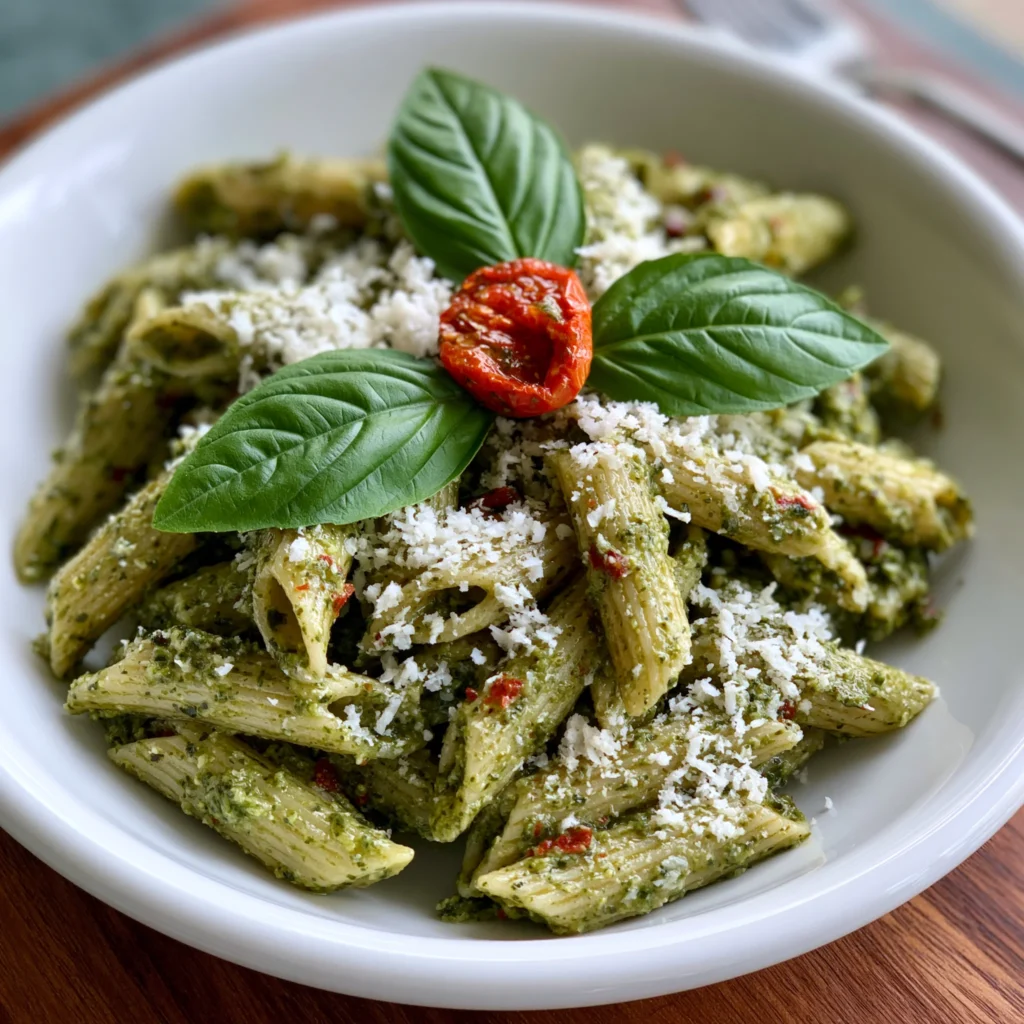
Pasta Cooking & Preparation
Boil pasta in salted water until it reaches al dente texture, ensuring it retains slight firmness for better sauce absorption. Reserve a small amount of pasta water before draining, as it will help adjust sauce consistency later and improve emulsification.
While pasta cooks, prepare fresh ingredients by washing basil leaves, peeling garlic, and measuring pine nuts and cheese. Timing is essential here, as pesto sauce works best when blended fresh and combined immediately with warm pasta for maximum aroma and flavor retention.
Pesto Sauce Preparation
In a blender or food processor, combine fresh basil leaves, garlic, pine nuts, Parmesan cheese, olive oil, salt, and black pepper. Blend until the mixture becomes smooth yet slightly textured for authentic pesto consistency and depth of flavor.
Adjust thickness by adding olive oil or a small amount of reserved pasta water. The sauce should be rich, fragrant, and glossy, with a balanced blend of nuttiness, herb freshness, and savory cheese notes that define classic pesto.
Final Mixing & Assembly
Add warm pasta into a large mixing bowl and pour freshly prepared pesto sauce over it. Toss gently to ensure every strand is evenly coated without breaking the pasta structure or losing sauce consistency.
Add optional ingredients like cherry tomatoes or grilled vegetables for enhanced texture and flavor. Serve immediately while warm, allowing the aroma of basil and garlic to remain vibrant and fresh on the plate.
Cook Time
Total: 20 minutes
Prep: 10 minutes
Bake: 0 minutes
Servings
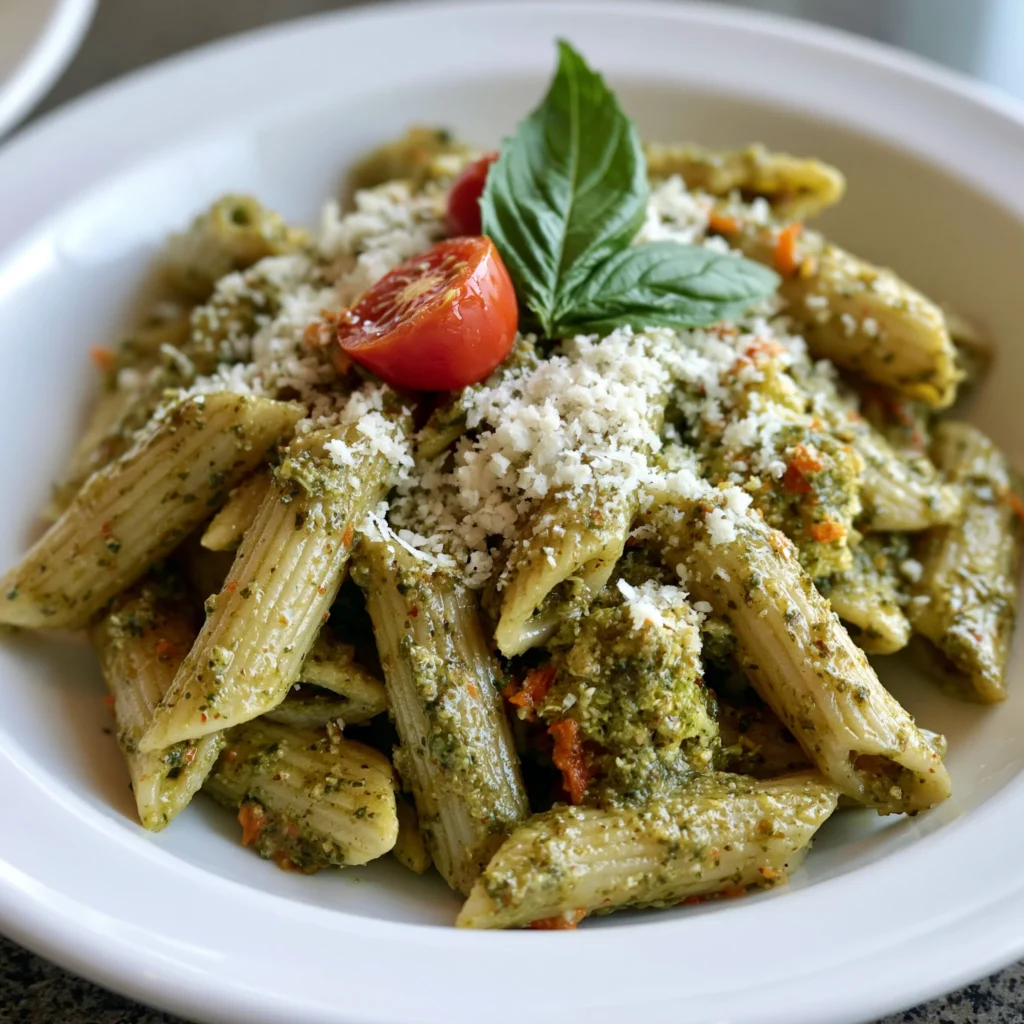
This Easy Pesto Pasta recipe is designed to serve as a light yet fulfilling meal suitable for individuals, couples, or small families. It delivers balanced portions that are satisfying without feeling heavy.
The recipe comfortably serves 2 to 3 people depending on serving size and accompanying dishes. It works perfectly as a main course for lunch or dinner and can also be served as a side dish for larger meals.
Overall, this recipe yields approximately one medium bowl of pasta that can be easily scaled for gatherings. Its simplicity ensures consistent results whether cooking for one or multiple servings.
Common Mistake in Pesto Pasta
One common mistake is over-blending the pesto sauce. When basil is blended too long, it generates heat that can darken the color and reduce freshness, resulting in a dull, less aromatic sauce.
Another frequent issue is using low-quality olive oil or stale nuts. Since pesto relies heavily on raw ingredients, any compromise in freshness directly affects flavor intensity and overall quality of the dish.
Many cooks also make the mistake of adding pesto to dry or cold pasta. This prevents proper absorption and leads to uneven coating, reducing the creamy, cohesive texture that defines well-made pesto pasta.
Lastly, skipping pasta water adjustment often results in overly thick sauce. Without it, the pesto does not emulsify properly, making it difficult to evenly coat each strand of pasta.
Solution to Common Mistake in Pesto Pasta
To preserve freshness, pulse the pesto ingredients instead of continuous blending. This prevents heat buildup and maintains the vibrant green color and fresh basil aroma essential for authentic flavor.
Always use high-quality extra virgin olive oil and fresh pine nuts. Fresh ingredients enhance the natural richness of pesto and ensure a balanced, aromatic sauce with depth and smooth texture.
Combine pesto with freshly cooked warm pasta immediately after draining. The heat helps the sauce cling properly and distribute evenly, creating a silky and cohesive coating throughout the dish.
Add reserved pasta water gradually to achieve the ideal consistency. This step ensures proper emulsification, improving texture and allowing the sauce to bind perfectly with every strand of pasta.
Nutritional Information (approx. per serving)
- Calories: 420 kcal
- Protein: 12 g
- Carbohydrates: 48 g
- Fat: 20 g
- Fiber: 5 g
- Sodium: 310 mg
This dish is rich in healthy fats from olive oil and pine nuts, supporting heart health and providing sustained energy throughout the day. It is naturally nutrient-dense and satisfying.
The basil and garlic offer antioxidant and anti-inflammatory benefits, promoting overall wellness and boosting immunity. These fresh ingredients enhance both flavor and nutritional value.
Its balanced macronutrient profile makes it suitable for active lifestyles, offering energy without heaviness. It supports clean eating while still delivering comfort and satisfaction.
Storage Instructions
Pesto pasta is best enjoyed fresh due to its delicate herbal flavor and vibrant color. However, leftovers can be stored in an airtight container for up to 2 days in the refrigerator.
To maintain freshness, drizzle a thin layer of olive oil over the surface before sealing. This helps reduce oxidation and keeps the pesto from darkening too quickly.
When reheating, avoid high heat. Instead, warm gently on low heat with a splash of water or olive oil to restore texture without damaging flavor.
Suggestions
Serve pesto pasta with garlic bread or a fresh green salad for a complete and balanced meal. The lightness of salad complements the richness of pesto beautifully.
For added protein, include grilled chicken, tofu, or chickpeas. These additions enhance nutritional value while maintaining the dish’s signature freshness and flavor balance.
A sprinkle of extra Parmesan cheese or toasted pine nuts can elevate texture and depth. It adds a gourmet finishing touch to the dish presentation.
You can also experiment with different herbs like spinach or arugula in the pesto for variation. This creates new flavor profiles while keeping the core recipe intact.
Seasonal Relevance
Pesto Pasta is most vibrant during spring and summer when fresh basil is in peak season. The dish naturally aligns with warm-weather dining due to its light and refreshing profile.
In summer, it works perfectly as a quick chilled pasta salad variation. Its herbal freshness makes it ideal for outdoor meals and light lunches.
During autumn, it pairs well with roasted vegetables, adding warmth and depth while maintaining its signature freshness and aroma.
Even in winter, pesto pasta offers a bright contrast to heavier meals, bringing freshness and color to seasonal dining tables.
Finl Words
Pesto Pasta is a celebration of simplicity, where minimal ingredients create maximum flavor. It represents the essence of Italian cooking philosophy—fresh, clean, and balanced.
Its vibrant color, aromatic basil, and silky texture make it a timeless dish suitable for all occasions. Every bite reflects freshness and culinary craftsmanship.
This recipe is perfect for both beginners and experienced cooks who value speed without sacrificing quality or taste. It consistently delivers satisfying results.
Whether served as a quick meal or part of a larger spread, pesto pasta remains a reliable, elegant, and deeply flavorful choice.
Frequently Asked Questions
Can I make pesto pasta without pine nuts?
Yes, you can replace pine nuts with walnuts, almonds, or cashews. These alternatives still provide a creamy texture and nutty flavor while keeping the sauce rich and balanced without affecting overall consistency or freshness.
Can pesto pasta be served cold?
Yes, pesto pasta can be served cold as a pasta salad. It is especially refreshing in summer. Just ensure the pasta is properly coated with olive oil to maintain moisture and prevent drying or clumping.
How can I make pesto pasta vegan?
To make it vegan, simply replace Parmesan cheese with nutritional yeast. This maintains a cheesy flavor while keeping the recipe fully plant-based, without compromising the creamy texture or aromatic richness of the pesto sauce.
Easy Pesto Pasta Recipe
2
servings10
minutes10
minutes420
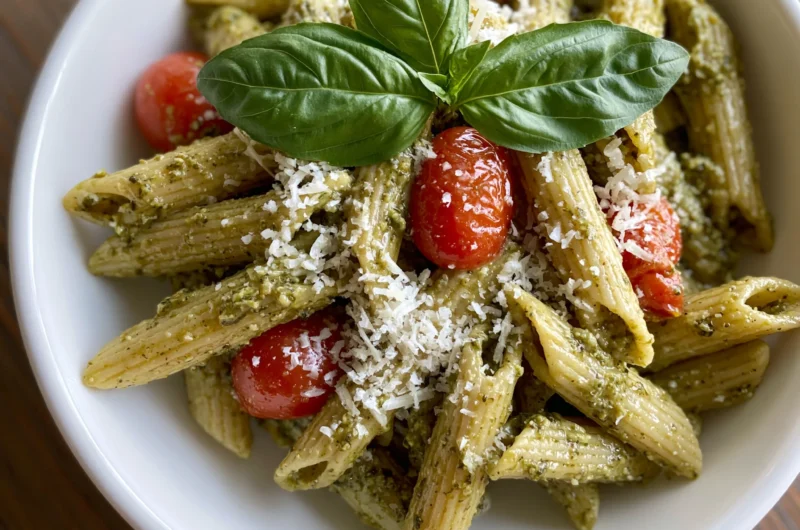
kcalA fresh and aromatic Easy Pesto Pasta made with basil, garlic, olive oil, and Parmesan cheese. This vibrant green pasta is light, flavorful, and ready in minutes, offering a perfect balance of richness, freshness, and Italian-inspired comfort.
Ingredients
Pasta (spaghetti or penne) *250 g
Fresh basil leaves *2 cups
Garlic cloves *3 pieces
Pine nuts *3 tablespoons
Olive oil *½ cup
Parmesan cheese *½ cup grated
Salt *to taste
Black pepper *1 teaspoon
Lemon juice *1 tablespoon
Optional Add-ins:
Cherry tomatoes *1 cup
Spinach leaves *1 cup
Grilled chicken *1 cup (optional)
Zucchini *1 cup sliced
Chili flakes *1 teaspoon
Mushrooms *1 cup sliced
Directions
- Boil pasta in salted water until al dente and reserve some pasta water.
- Blend basil, garlic, pine nuts, Parmesan, olive oil, salt, and pepper into a smooth pesto sauce.
- Adjust consistency using reserved pasta water if needed.
- Toss warm pasta with freshly made pesto sauce.
- Add optional vegetables or protein if desired.
- Mix well until evenly coated.
- Serve immediately while fresh and aromatic.
Recipe Video
Notes
- Use fresh basil for best color and flavor.
- Do not over-blend pesto to avoid bitterness and heat damage.
- Add pasta water to improve sauce emulsification.
- Always mix pesto with warm pasta for best coating.
- Store pesto separately if making ahead to preserve freshness.
- Best served immediately for vibrant taste and aroma.