

A truly high-value pasta dish is defined by balance, execution precision, and controlled emulsification. This lemon ricotta pasta is engineered to deliver a premium, restaurant-style experience using minimal ingredients while maintaining consistent texture, flavor stability, and culinary refinement.
What makes this recipe stand out is its intelligent combination of creamy ricotta and fresh lemon acidity. Together, they create a smooth, velvety sauce that is light yet indulgent, offering a refined dining experience without heaviness or complexity.
From a professional culinary perspective, this recipe is optimized for speed, consistency, and scalability. It uses accessible ingredients but applies technique-driven cooking methods to achieve a stable emulsion that clings perfectly to pasta.
Whether prepared for a quick weekday meal or a light gourmet dinner, this dish delivers freshness, nutritional balance, and dependable restaurant-level results in just 20 minutes.
Table of Contents
Ingredients You’ll Need
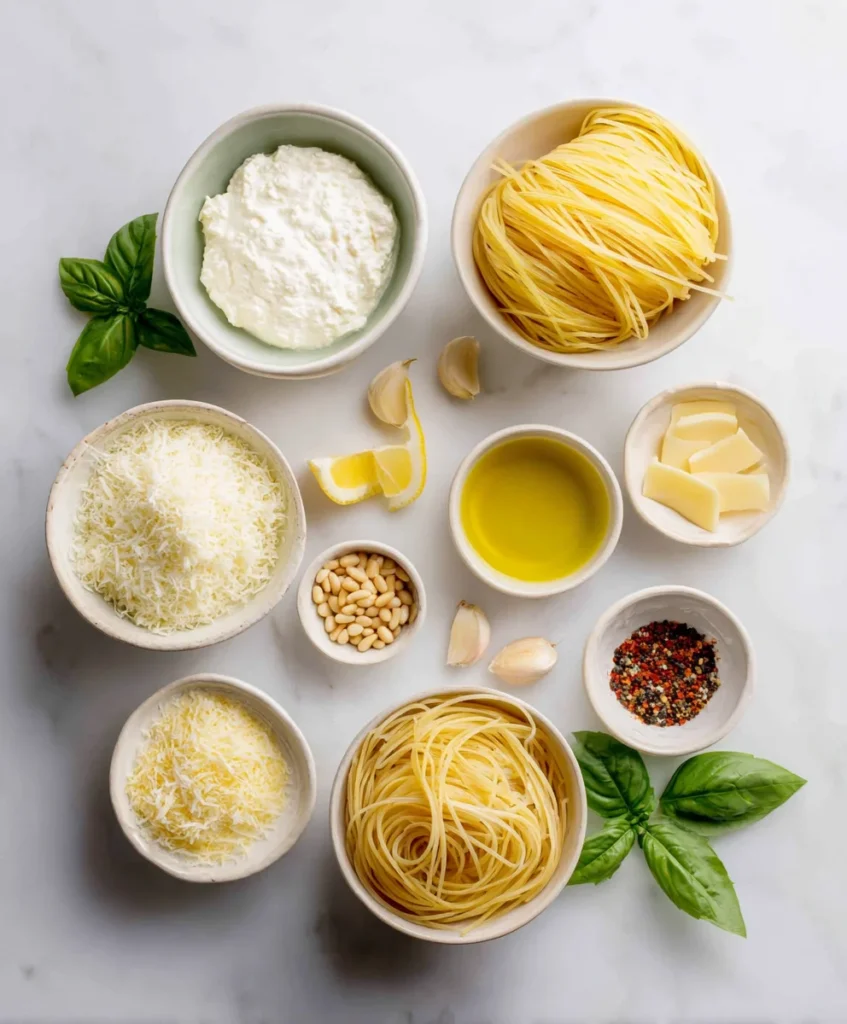
Base Ingredients:
- 200g spaghetti or linguine pasta
- 1 cup whole milk ricotta cheese (fresh and smooth)
- 2 tbsp extra virgin olive oil
- 2 tbsp unsalted butter
- 2 garlic cloves (finely minced)
- 2 tbsp fresh lemon juice (strained)
- 1 tsp lemon zest (finely grated)
- ½ cup reserved pasta water (starchy)
- Salt (to taste)
- Black pepper (freshly ground, to taste)
- ½ cup parmesan cheese (finely grated)
Optional Add-ins:
- 1 tbsp fresh basil leaves (chiffonade cut)
- ½ tsp chili flakes (for heat balance)
- ½ cup grilled chicken breast (protein enhancement)
- 1 tbsp toasted pine nuts (texture contrast)
- 1 tsp extra lemon zest (for aroma intensification)
Step-by-Step Intrusions
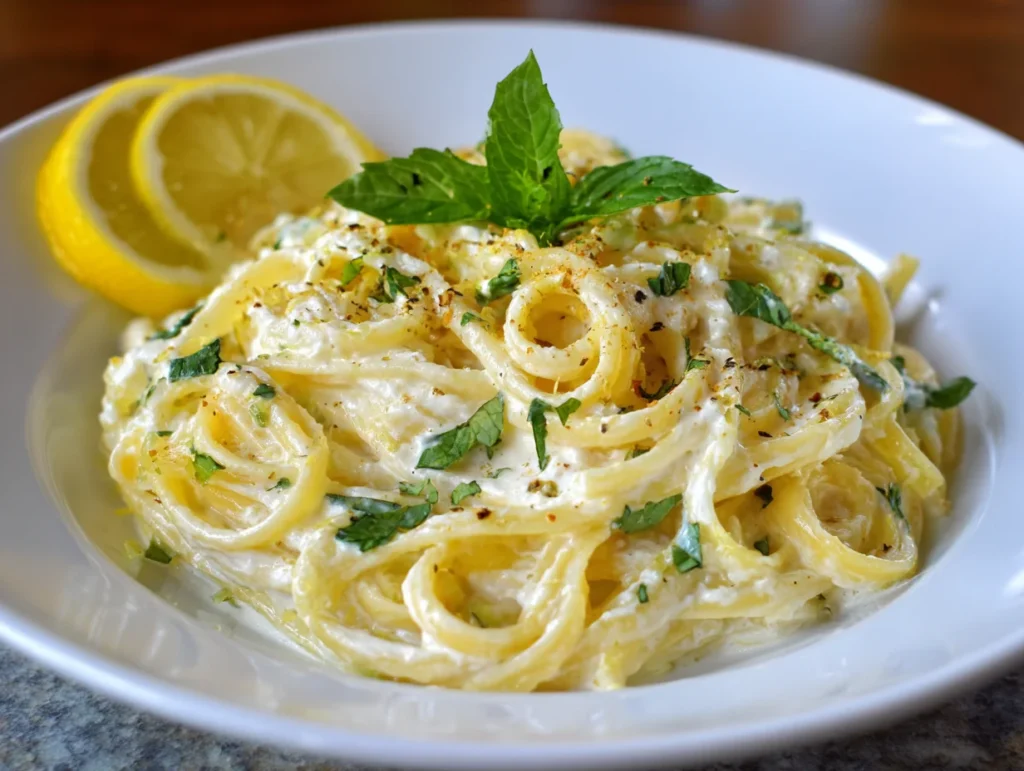
Step 1: Precision Pasta Cooking for Structural Integrity
Boil pasta in generously salted water until al dente, ensuring a firm bite that supports sauce adhesion. Reserve at least ½ cup of starchy pasta water before draining, as it is essential for emulsification control.
Avoid rinsing the pasta, since surface starch is critical for binding the ricotta-lemon sauce. Overcooking must be strictly avoided because it weakens structural integrity and reduces the ability of pasta to hold creamy emulsions, leading to a diluted final texture and inconsistent flavor delivery.
Step 2: Controlled Aromatic Base Development
Heat olive oil and butter together over medium heat until fully emulsified. Add minced garlic and sauté gently until aromatic but not browned, as excessive heat creates bitterness. This stage builds the foundational flavor architecture of the dish.
Proper temperature control ensures aromatic clarity and prevents flavor degradation. The butter provides richness while garlic introduces depth, creating a balanced base that supports both ricotta creaminess and lemon brightness without overpowering either element in the final sauce.
Step 3: Stable Ricotta-Lemon Emulsion Formation
Reduce heat to low before adding ricotta cheese, lemon juice, and lemon zest. Stir continuously to create a smooth, cohesive mixture. Gradually incorporate reserved pasta water to adjust viscosity and improve emulsification stability.
This step is critical for achieving a silky, restaurant-quality sauce. The goal is to maintain a stable balance between acidity and creaminess while preventing curdling. Proper emulsification ensures the sauce remains glossy, uniform, and evenly coats every strand of pasta without separation.
Step 4: Final Integration and Flavor Optimization
Add cooked pasta directly into the sauce and toss thoroughly to ensure full coating. Sprinkle parmesan cheese gradually while mixing to enhance umami depth and structural binding. Adjust seasoning with salt and freshly ground black pepper.
Allow the dish to rest briefly for 60 seconds before serving, enabling flavor absorption and stabilization. This final stage ensures complete harmony between ingredients, delivering a refined texture profile, enhanced flavor depth, and a consistent, high-quality dining experience.
Cook Time
Total: 20 minutes
Prep: 10 minutes
Cooking: 10 minutes
Servings
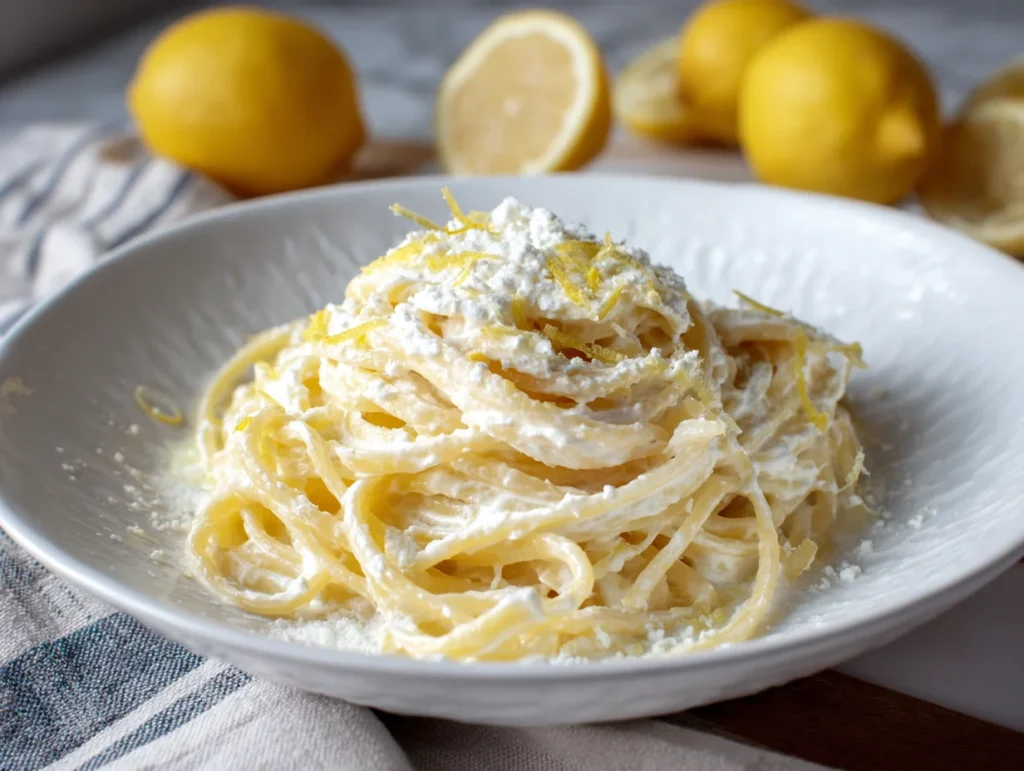
This recipe yields approximately 2 to 3 servings, making it ideal for quick lunch preparation, light dinner portions, or controlled meal planning. Each serving is designed to deliver balanced macronutrients with a focus on satiety and flavor efficiency.
The portion size ensures optimal comfort without heaviness, making it suitable for both solo meals and shared dining. It also integrates well into structured dietary plans due to its predictable calorie distribution.
The recipe can be scaled easily for larger servings while maintaining texture stability and flavor consistency when ingredient ratios are preserved.
Makes approximately 2–3 servings
Common Execution Errors That Impact Quality
A frequent mistake is adding ricotta over high heat, which destabilizes the emulsion and results in grainy, separated sauce texture.
Another critical error is neglecting pasta water, which is essential for emulsification and sauce binding. Without it, the dish becomes dense and uneven.
Overcooking pasta is also a common issue, reducing structural firmness and preventing proper sauce adhesion, leading to a loss of quality consistency.
Finally, excessive lemon usage can overpower the dish, disrupting the delicate balance between acidity and creaminess.
Professional Optimization Techniques
Always incorporate ricotta at low heat to preserve smooth texture and prevent curdling. Temperature control is essential for stability.
Gradually add reserved pasta water to regulate sauce thickness and ensure proper emulsification for a silky finish.
Cook pasta strictly to al dente standards to maintain structural integrity and maximize sauce adherence.
Balance lemon, ricotta, and parmesan carefully to achieve a refined, restaurant-level flavor profile.
Nutritional Information (approx. per serving)
- Calories: 400–470 kcal
- Carbohydrates: 45–55g
- Fat: 18–22g
- Protein: 14–18g
- Fiber: 2–3g
This recipe provides a balanced nutritional composition suitable for light yet satisfying meals.
Ricotta contributes high-quality protein and calcium, supporting muscle recovery and bone strength.
Lemon enhances vitamin C intake, promoting digestion and metabolic balance.
Healthy fats from olive oil and cheese improve satiety and flavor retention.
Storage Instructions
Store leftovers in an airtight container and refrigerate immediately after cooling to maintain freshness.
Consume within 24–48 hours to preserve optimal texture and flavor integrity.
Reheat gently over low heat with a splash of water or milk to restore creamy consistency.
Avoid freezing, as ricotta-based sauces may lose stability and become grainy upon thawing.
Suggestions
For increased protein content, add grilled chicken or shrimp to create a complete meal profile.
For a lighter version, substitute part of ricotta with Greek yogurt while maintaining creaminess.
Fresh herbs such as basil or parsley enhance aroma and visual appeal significantly.
A light chili flake addition can introduce subtle heat complexity without overpowering flavor balance.
Seasonal Relevance
This lemon ricotta pasta is highly suitable for spring and summer due to its light, citrus-forward profile.
It functions as a refreshing meal option that avoids heaviness in warm weather conditions.
In colder seasons, it can be enriched with protein elements for a more comforting variation.
Its adaptability ensures consistent year-round performance across different dietary needs.
Final Words
This lemon ricotta pasta represents precision cooking through simplicity, delivering a high-quality culinary experience with minimal ingredients.
By applying proper emulsification techniques, it achieves a smooth, stable, and refined sauce structure.
Its speed and versatility make it ideal for modern, efficiency-driven cooking environments.
Mastering this recipe ensures a dependable, restaurant-standard pasta dish suitable for any occasion.
Frequently Asked Questions
Can I use low-fat ricotta for this recipe?
Yes, low-fat ricotta can be used, but it may slightly reduce creaminess. To maintain texture, balance it with reserved pasta water and proper emulsification for a smooth and stable sauce consistency.
What is the best way to keep the sauce smooth and stable?
Maintain low heat during mixing and gradually incorporate pasta water. This ensures proper emulsification, preventing separation and maintaining a silky, restaurant-quality sauce texture throughout the dish.
Can this pasta be made ahead of time?
It is best served fresh, but it can be stored for a short time. Reheat gently with added liquid to restore creaminess, as ricotta-based sauces may thicken during refrigeration.
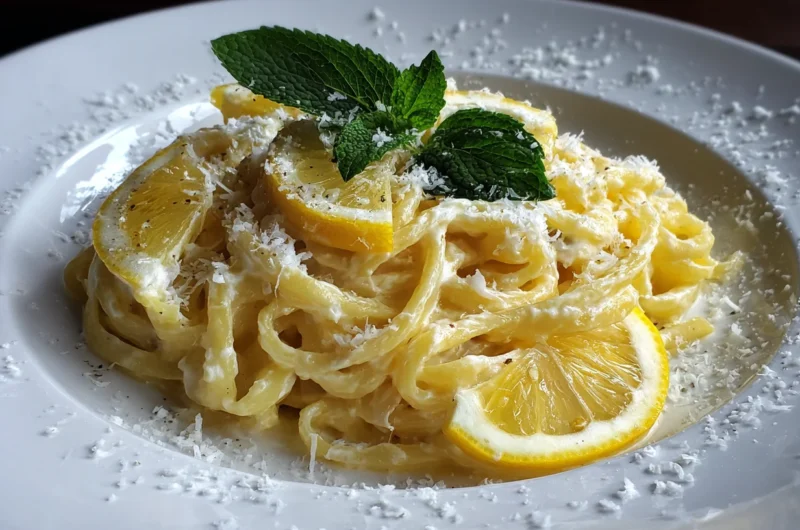
Fresh Lemon Ricotta Pasta in 20 Minutes Recipe
2
servings10
minutes15
minutes400
kcalFresh lemon ricotta pasta is a creamy, light, and flavorful Italian-inspired dish made with ricotta cheese, fresh lemon juice, garlic, and parmesan. It delivers a silky texture, balanced citrus freshness, and restaurant-quality taste in just 20 minutes.
Ingredients
200g spaghetti or fettuccine pasta
1 cup fresh ricotta cheese
2 tbsp olive oil
2 tbsp butter
2 garlic cloves (minced)
2 tbsp fresh lemon juice
1 tsp lemon zest
½ cup reserved pasta water
½ cup parmesan cheese (grated)
Salt & black pepper (to taste)
1 tbsp fresh parsley (optional)
Directions
- Boil pasta in salted water until al dente. Reserve pasta water.
- Heat olive oil and butter in a pan over medium heat.
- Add garlic and sauté until fragrant.
- Lower heat and add ricotta, lemon juice, and lemon zest.
- Mix well and add pasta water for creamy texture.
- Add cooked pasta and toss until fully coated.
- Stir in parmesan cheese and adjust seasoning.
- Serve hot with parsley garnish.
Recipe Video
Notes
- Always use fresh lemon for best flavor balance
- Do not overheat after adding ricotta
- Pasta water is essential for creamy texture
- Serve immediately for best taste and consistency
- Add chicken or shrimp for extra protein boost