
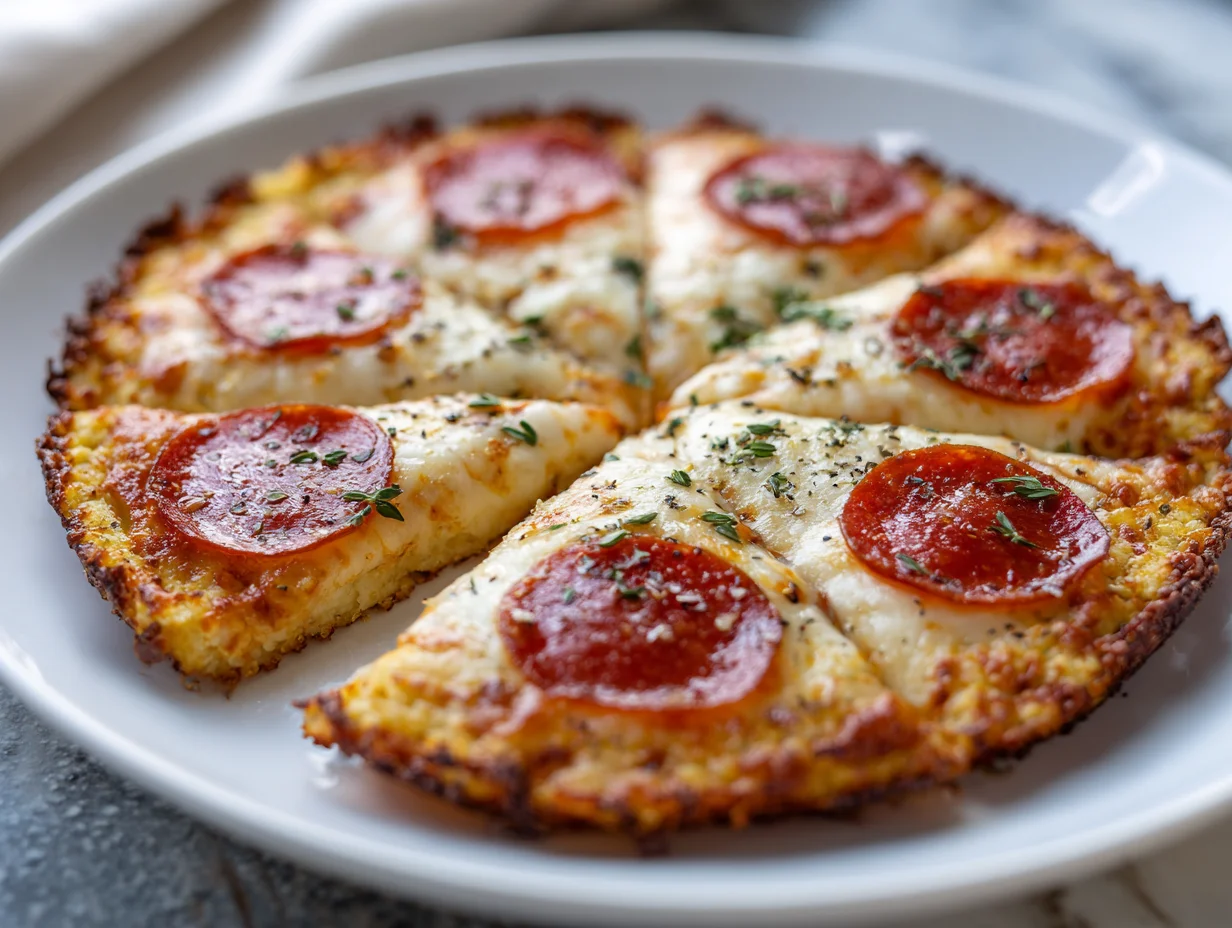
A high-performance keto pizza crust is more than a low-carb substitute, it is a strategically engineered base that delivers structure, crispness, and satisfaction without compromising dietary discipline. When executed correctly, it mirrors traditional pizza texture while keeping net carbs exceptionally low.
Most homemade keto crusts fail due to poor ingredient balance and lack of thermal control. In keto baking, fat-to-flour ratio, moisture control, and binding precision directly determine whether the crust holds or collapses.
This recipe is designed with a chef-level formulation approach, ensuring consistency, scalability, and repeatable results for home kitchens and meal prep routines.
If you are aiming for a reliable, crispy, and restaurant-grade keto pizza foundation, this method is optimized for performance and long-term success.
Table of Contents
Ingredients You’ll Need
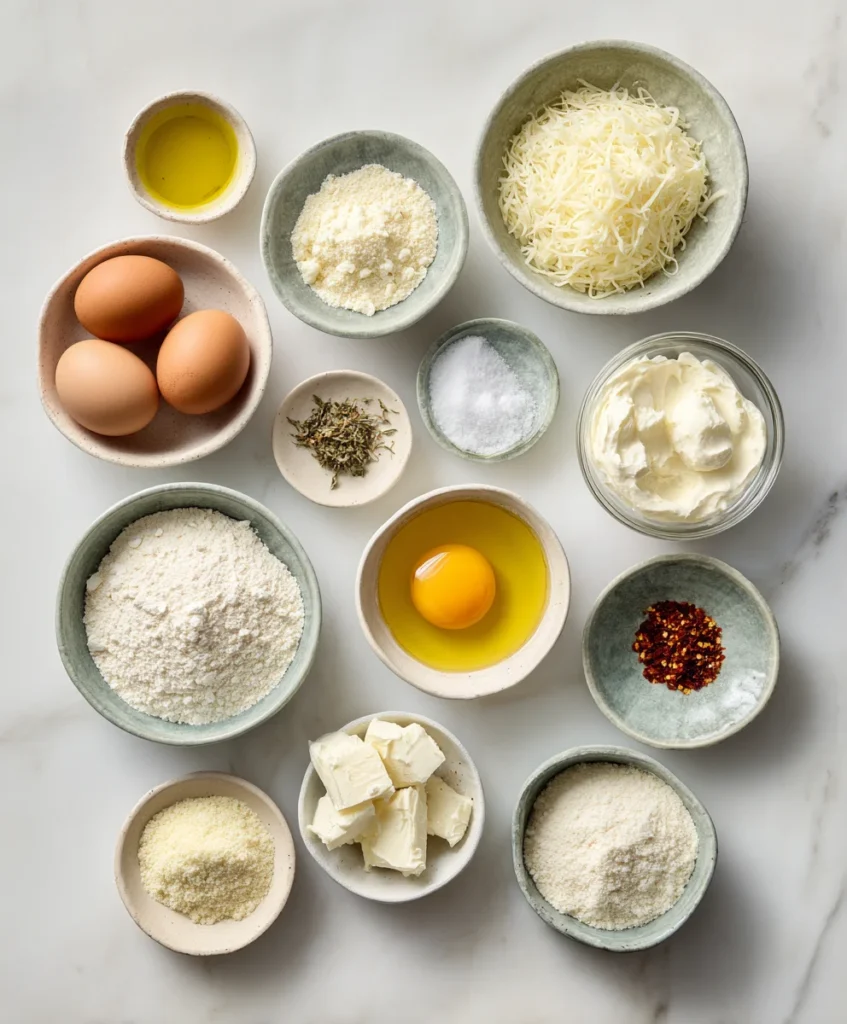
Base Ingredients:
- Almond flour (fine, blanched) – 1 cup (100g)
- Mozzarella cheese (low-moisture, shredded) – 1 cup (120g)
- Cream cheese – 2 tablespoons (30g)
- Egg – 1 large
- Baking powder – ½ teaspoon
- Salt – ¼ teaspoon
Optional Add-ins:
- Garlic powder – ½ teaspoon
- Italian seasoning – 1 teaspoon
- Olive oil – 1 tablespoon
- Parmesan cheese – 2 tablespoons
- Chili flakes – ½ teaspoon
Step-by-Step Intrusions
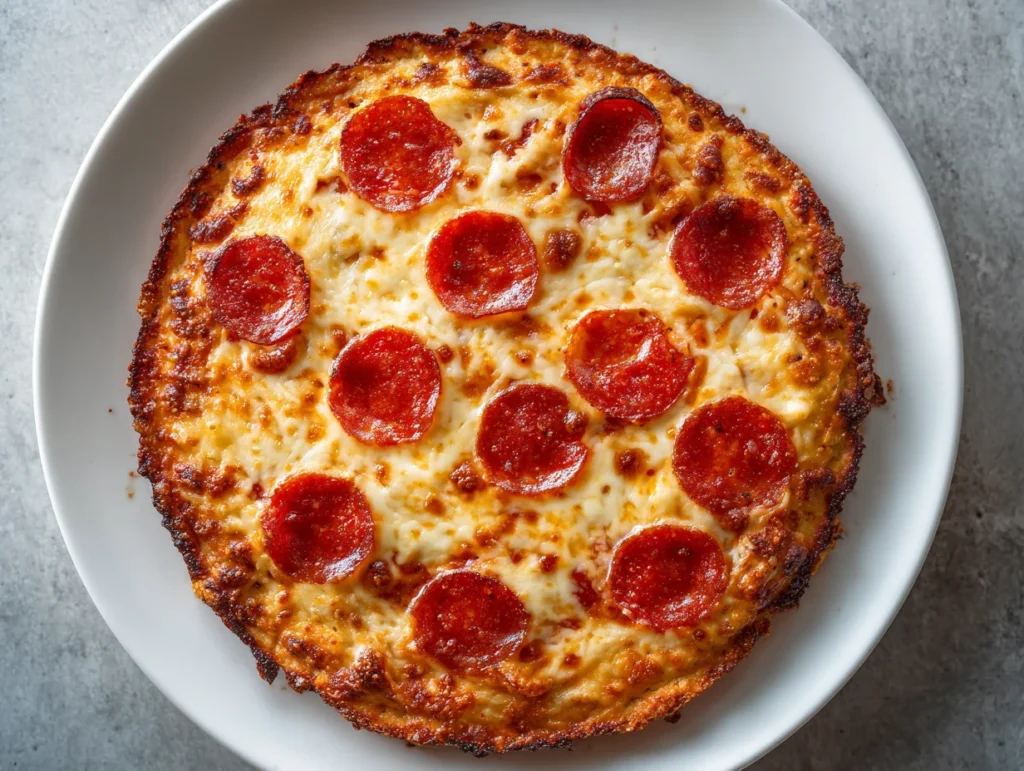
Build a Stable Keto Dough Base
Start by gently melting mozzarella and cream cheese together until fully liquefied and smooth. This creates the structural fat matrix essential for keto baking. Add almond flour, egg, baking powder, and salt while mixing continuously.
The goal is to achieve a uniform, elastic dough without separation or graininess. Proper emulsification at this stage ensures stability, preventing cracks and brittleness during baking. This step defines the foundation of texture, consistency, and final crust performance.
Precision Shaping for Even Heat Distribution
Transfer the dough onto parchment paper and press it evenly using controlled hand pressure or a rolling pin. Maintain uniform thickness across the surface to ensure consistent thermal exposure during baking.
Uneven shaping leads to inconsistent browning and structural imbalance. A slightly thicker edge helps support toppings while a moderately thin center ensures crispness. This controlled shaping process is critical for achieving a professional-grade keto pizza crust with predictable baking behavior.
Controlled Pre-Baking for Structural Integrity
Preheat your oven to 180°C (350°F) for stable heat distribution. Bake the shaped crust for 10–12 minutes until it firms and develops a light golden surface. This pre-bake phase removes excess moisture and locks internal structure, preventing sogginess during topping application.
Without this step, the crust may collapse under sauce weight. Proper pre-baking ensures durability, crisp edge formation, and a strong base capable of supporting multiple toppings without losing texture integrity.
Final Bake for Flavor Optimization
After pre-baking, add your preferred keto-friendly toppings such as cheese, vegetables, or protein sources. Return the crust to the oven and bake for an additional 8–10 minutes until fully cooked and golden.
This stage enhances flavor layering and creates a balanced crisp-soft texture profile. Careful monitoring is essential to avoid over-browning. The result is a high-value keto pizza crust with professional texture stability and optimized taste delivery.
Cook Time
Total: 25 minutes
Prep: 10 minutes
Bake: 15 minutes
Servings
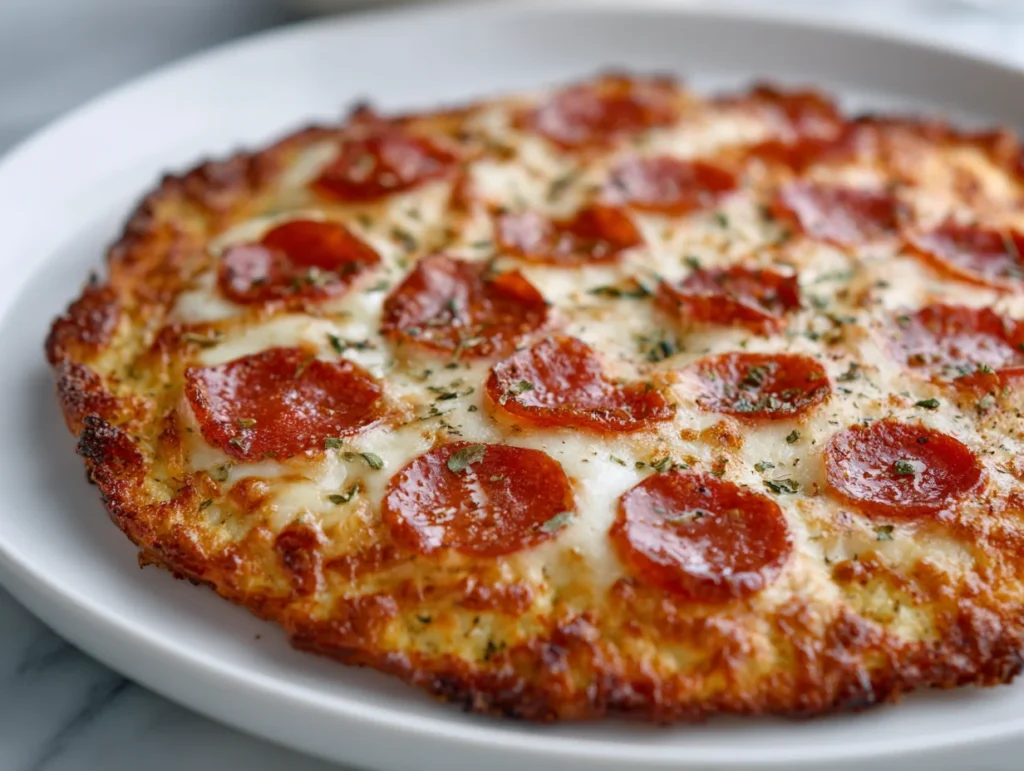
This recipe is optimized for 2 to 3 servings, making it ideal for controlled portion meals, weight management plans, and keto lifestyle routines. Each serving delivers balanced macros while maintaining satisfying texture and fullness.
It is also suitable for structured meal prep, allowing users to scale ingredients without compromising performance or texture integrity.
Makes approximately 1 medium keto pizza base, designed for complete meal utilization with nutrient-dense toppings.
High-Impact Keto Baking Errors That Reduce Quality
One major mistake is incorrect cheese moisture selection. High-moisture cheese introduces excess water, leading to weak structure and reduced crispness after baking.
Another critical issue is skipping pre-baking. Without this step, the crust absorbs sauce moisture, resulting in soggy texture and structural collapse.
Overmixing the dough is also a common failure. Excess handling breaks the fat-protein balance, creating dense or rubbery texture instead of a light, crisp base.
Improper oven calibration significantly affects results. Inconsistent heat leads to uneven cooking, burnt edges, or undercooked centers, reducing overall recipe performance.
Expert-Grade Fixes for Consistent Results
Use low-moisture mozzarella and finely blanched almond flour to ensure structural stability and controlled moisture levels.
Always pre-bake the crust before adding toppings to lock in firmness and prevent hydration breakdown.
Handle dough gently with minimal mixing to preserve elasticity and maintain optimal texture formation.
Maintain a stable oven temperature of 180°C for even heat transfer and predictable browning results.
Nutritional Information (approx. per serving)
- Calories: 280 kcal
- Fat: 22g
- Protein: 14g
- Net Carbs: 4g
- Fiber: 2g
- Sodium: 320mg
This keto crust is designed for metabolic efficiency and low-carb dietary compliance, making it suitable for ketogenic, diabetic-friendly, and weight-control meal plans.
Its high-fat composition promotes satiety, reducing unnecessary calorie intake throughout the day.
Protein content supports muscle maintenance and sustained energy release.
Low net carbs help maintain stable blood glucose levels, improving overall dietary control and wellness outcomes.
Storage Instructions
Store pre-baked crust in an airtight container in the refrigerator for up to 72 hours to maintain structural quality.
For extended shelf life, freeze individually wrapped crusts to preserve texture and flavor integrity.
Reheat in an oven instead of a microwave to restore crispness and prevent moisture buildup.
Allow the crust to cool completely before storage to avoid condensation-related sogginess.
Suggestions
Use premium-quality mozzarella for enhanced elasticity and improved baking performance.
Incorporate herbs like oregano or basil to elevate aroma and create a more premium flavor profile.
Pair with low-sugar sauces and nutrient-dense toppings for a fully optimized keto meal experience.
Serve immediately after baking to maintain peak crispness and structural integrity.
Seasonal Relevance
This keto pizza crust is suitable for year-round consumption due to its balanced nutritional profile and adaptable topping options.
In colder months, it pairs well with rich, high-fat toppings that enhance satiety and warmth.
During warmer seasons, lighter toppings provide a refreshing and balanced meal option without heaviness.
It is also ideal for structured diet phases, fitness programs, and festive low-carb meal planning.
Finl Words
Crispy keto pizza crust demonstrates how precision cooking can transform dietary restrictions into culinary advantage. It delivers structure, flavor, and satisfaction without compromise.
By focusing on ingredient integrity and controlled baking technique, consistent high-quality results become achievable in any home kitchen.
This recipe is engineered for reliability, scalability, and long-term dietary use.
Once mastered, it becomes a cornerstone in any serious keto cooking system.
Frequently Asked Questions
Can I replace almond flour with coconut flour in keto pizza crust?
Yes, but coconut flour absorbs more moisture, so the ratio must be significantly adjusted. It requires additional eggs or fat to maintain structure. Without proper adjustment, the crust may become dry or crumbly, affecting overall texture quality.
Why does my keto crust break when I pick it up?
This usually happens due to insufficient binding or skipping pre-baking. Proper melting of cheese and controlled mixing are essential. Pre-baking ensures structural stability so the crust can support toppings without breaking.
How can I make keto pizza crust extra crispy without burning it?
Use a preheated oven at stable 180°C and bake until moisture is fully reduced. A short final broil stage can enhance crispness. Avoid excessive oil or moisture-heavy toppings to maintain a firm, crisp finish.
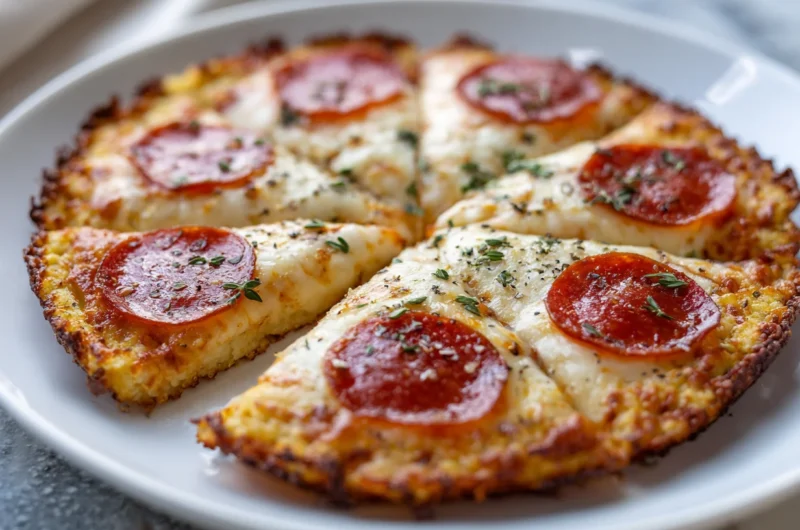
Crispy Keto Pizza Crust Recipe
2
servings10
minutes15
minutes280
kcalA crispy, low-carb keto pizza crust made with almond flour and mozzarella cheese. This recipe delivers a golden, firm base with a soft center, designed to hold toppings perfectly while keeping carbs low and supporting a healthy ketogenic lifestyle.
Ingredients
Almond flour – 1 cup (100g)
Mozzarella cheese (low-moisture, shredded) – 1 cup (120g)
Cream cheese – 2 tablespoons (30g)
Egg – 1 large
Baking powder – ½ teaspoon
Salt – ¼ teaspoon
Optional Ingredients (For Taste & Enhancement)
These improve flavor, aroma, and presentation but are not required for dough structure:
Olive oil – 1 tablespoon
Garlic powder – ½ teaspoon
Italian seasoning – 1 teaspoon
Parmesan cheese – 2 tablespoons
Chili flakes – ½ teaspoon
Directions
- Preheat oven to 180°C (350°F).
- Melt mozzarella and cream cheese until smooth.
- Add almond flour, egg, baking powder, and salt to form dough.
- Shape into a pizza base on parchment paper evenly.
- Pre-bake for 10–12 minutes until firm.
- Add toppings and bake again for 8–10 minutes until crisp.
- Slice and serve hot.
Recipe Video
Notes
- Use low-moisture mozzarella for best crisp texture
- Always pre-bake to avoid soggy crust
- Keep dough thickness even for uniform baking
- Avoid watery toppings for stable structure
- Let crust cool slightly before slicing for clean cuts