

Few things command attention like the rich, buttery aroma of freshly baked garlic bread. It’s not just a side dish, it’s a high-impact, crowd-pleasing staple that elevates everything from pasta dinners to gourmet spreads. When executed correctly, garlic bread delivers a perfect contrast of crisp edges and a soft, flavorful center.
What most home cooks miss is precision. Premium garlic bread isn’t about piling on butter, it’s about controlled technique, ingredient quality, and timing. These are the same principles used in professional kitchens to achieve consistent, high-quality results.
In this guide, I’ll walk you through a chef-level method that guarantees maximum flavor, ideal texture, and repeatable success. No guesswork, just refined execution.
If you’re aiming for restaurant-quality garlic bread with minimal effort and maximum payoff, this is your definitive guide.
Table of Contents
Ingredients You’ll Need
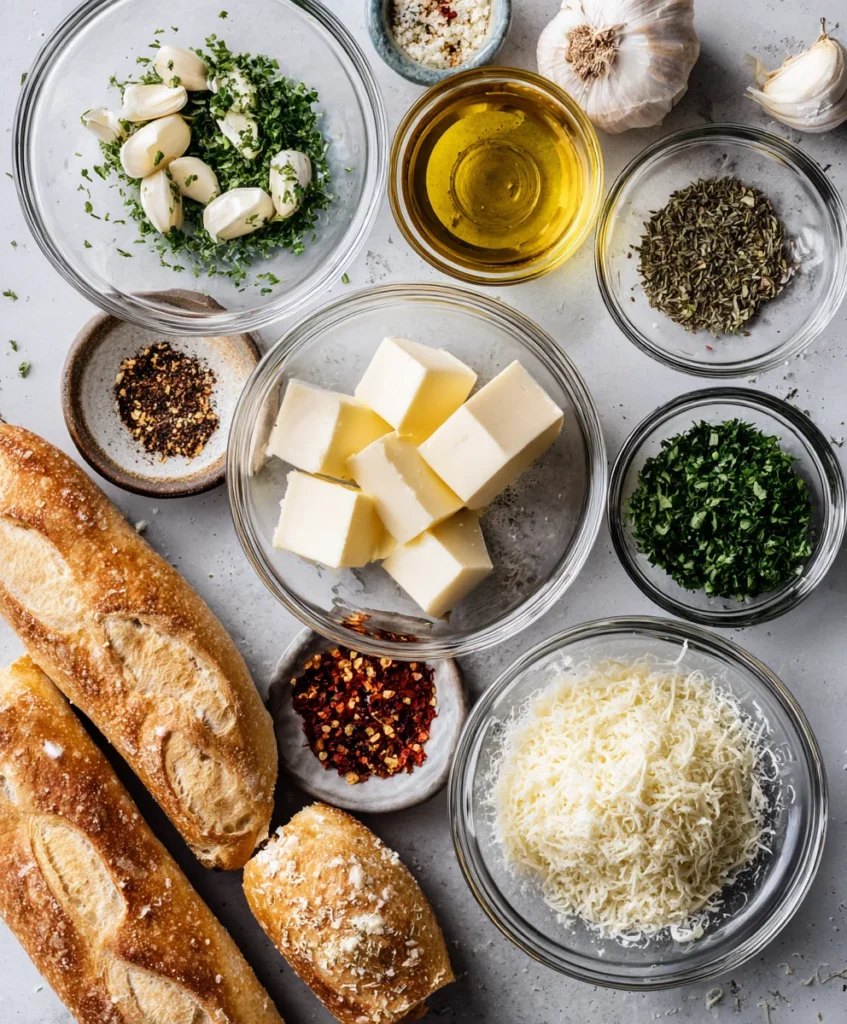
Base Ingredients:
- French baguette – 1 loaf (300g)
- Unsalted butter (room temperature) – 100g
- Fresh garlic (finely minced) – 6 cloves
- Sea salt – ½ teaspoon
- Black pepper (freshly ground) – ¼ teaspoon
- Fresh parsley (finely chopped) – 2 tablespoons
Optional Add-ins:
- Mozzarella cheese (high-quality, grated) – ½ cup
- Parmesan cheese (aged) – ¼ cup
- Red chili flakes – ½ teaspoon
- Extra virgin olive oil – 1 tablespoon
- Dried oregano – ½ teaspoon
Step-by-Step Intrusions
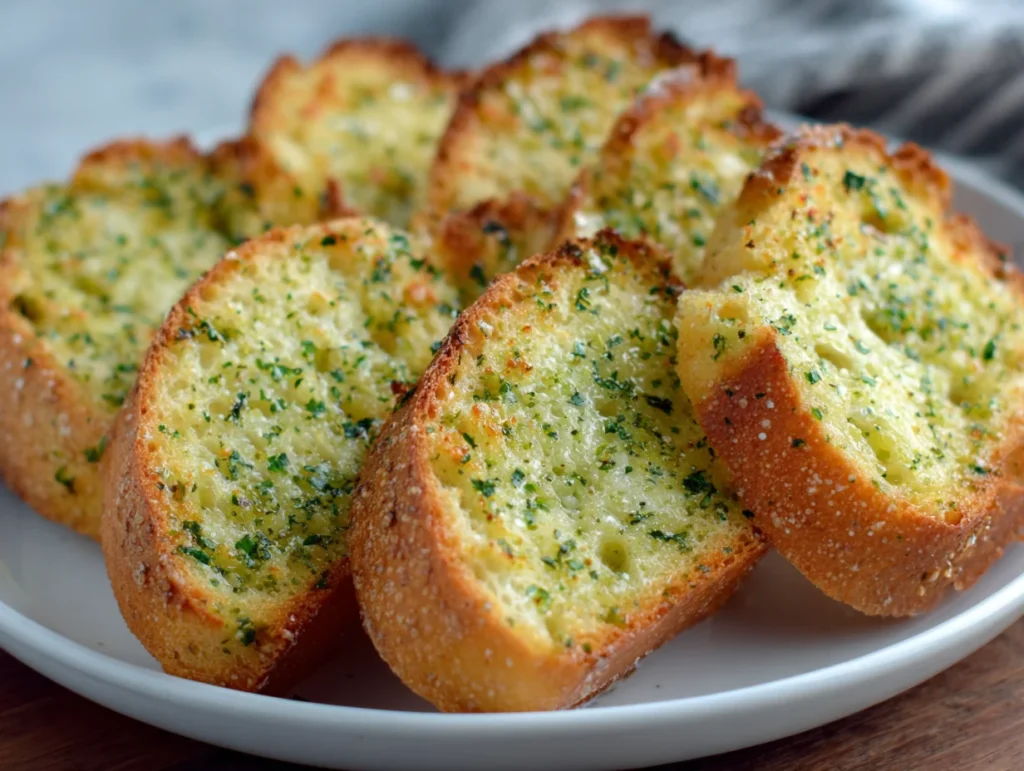
Craft a Flavor-Infused Garlic Butter
Begin with softened butter to ensure a smooth, spreadable base. Add finely minced garlic, salt, black pepper, and chopped parsley.
Mix thoroughly until the texture becomes creamy and uniform. Let it rest briefly, this allows the garlic oils to infuse into the butter, enhancing depth of flavor. This step is essential for achieving a balanced, aromatic profile rather than a sharp, overpowering taste.
Prepare Bread for Maximum Coverage
Slice the baguette evenly, either lengthwise or into thick slices. Use a spatula to apply the garlic butter generously, ensuring edge-to-edge coverage.
Precision matters, uneven spreading leads to inconsistent baking results. A well-coated surface ensures every bite delivers a consistent blend of crispness and rich garlic flavor, improving overall eating experience and presentation quality.
Layer Optional Premium Toppings
For enhanced flavor and higher perceived value, add toppings like mozzarella or parmesan evenly across the surface. Sprinkle lightly, avoid overloading, as balance is key. Preheat your oven to 180°C (350°F) before placing the bread inside.
A properly heated oven ensures even cooking, preventing soggy centers and undercooked edges, which are common issues in low-quality preparation methods.
Bake with Controlled Precision
Place the bread on a baking tray and bake for 10–12 minutes until golden brown. For a premium finish, switch to broil mode for the final 1–2 minutes, watching closely to avoid burning.
The goal is a crisp exterior with a soft interior. Remove and allow slight resting time before serving, this stabilizes texture and enhances flavor retention.
Cook Time
Total: 20 minutes
Prep: 8 minutes
Bake: 12 minutes
Servings
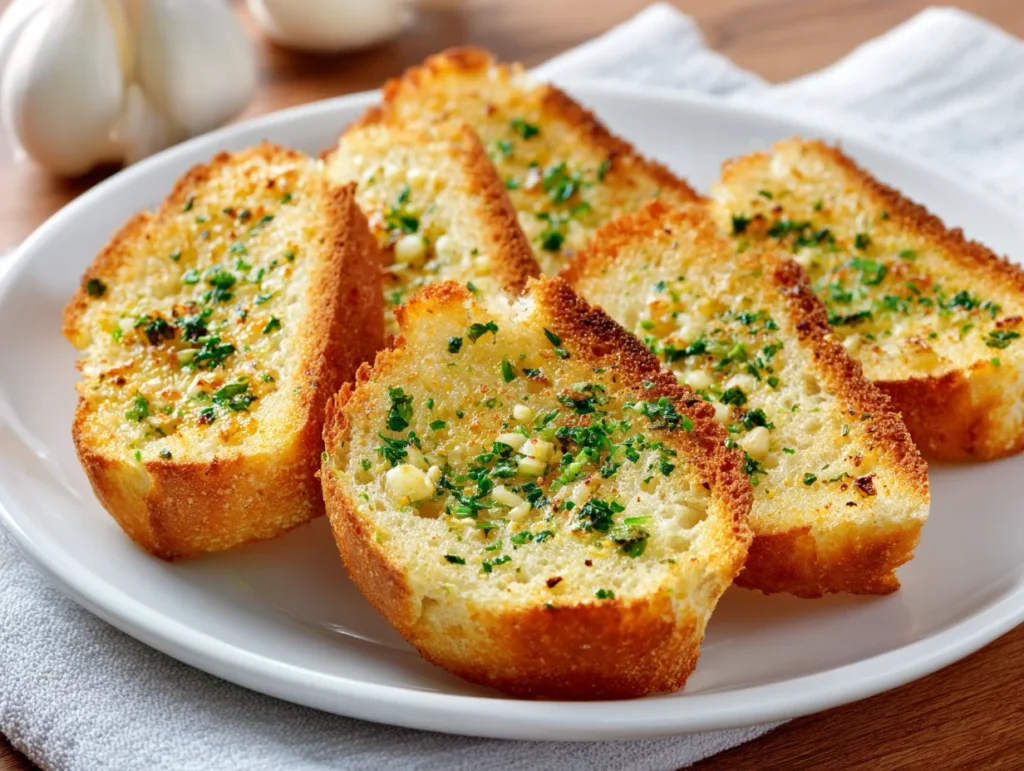
This recipe is optimized to serve 3 to 4 individuals as a high-quality side dish. Each portion delivers a balanced combination of carbohydrates and fats, making it a satisfying addition to meals without overwhelming the plate.
When positioned as an appetizer, it can extend to 5 servings, especially when paired with complementary dishes like soups or salads. Portion control ensures better presentation and cost efficiency.
Makes approximately 8–10 slices, depending on thickness and spread distribution, allowing flexibility for both casual meals and structured dining setups.
Critical Mistakes That Lower Garlic Bread Quality
Using cold butter is one of the most damaging mistakes. It prevents proper spreading, leading to uneven flavor and poor texture, ultimately reducing the overall quality of the final product.
Another issue is excessive garlic usage. While garlic is the hero ingredient, overuse creates bitterness during baking, negatively affecting taste and making the bread less enjoyable.
Overbaking is a frequent error that results in dry, hard bread instead of a soft interior with a crisp crust. This reduces both taste and user satisfaction.
Skipping oven preheating leads to inconsistent cooking. Without stable heat, the bread may become soggy or unevenly toasted, lowering its overall appeal.
Proven Solutions for Perfect Garlic Bread
Always use room-temperature butter for smooth application. This ensures even coverage and consistent flavor in every bite, improving both texture and taste.
Balance garlic with herbs and fats. Incorporating parsley and olive oil prevents bitterness and enhances aroma, delivering a more refined flavor profile.
Monitor baking closely, especially during the final minutes. Controlled heat exposure ensures the bread reaches the ideal crispness without drying out.
Preheat the oven fully before baking. This guarantees even heat distribution, leading to professional-level results with minimal effort.
Nutritional Information (approx. per serving)
- Calories: 230 kcal
- Carbohydrates: 24g
- Protein: 5g
- Fat: 15g
- Saturated Fat: 9g
- Sodium: 320mg
Garlic bread provides quick energy due to its carbohydrate base, making it a practical addition to meals requiring immediate fuel.
Garlic contains beneficial compounds that support immune health and overall wellness, adding functional value beyond taste.
The fat content contributes to satiety, helping reduce overeating when consumed in moderation.
When paired with balanced dishes, it enhances both flavor and meal satisfaction without compromising dietary goals.
Storage Instructions
Store garlic bread in an airtight container at room temperature for up to 24 hours to maintain freshness and texture.
For extended storage, refrigerate for up to 3 days. Ensure it is wrapped properly to prevent moisture loss and flavor degradation.
Reheat in an oven instead of a microwave. This restores crispness and prevents the bread from becoming soggy.
Freeze for up to one month by wrapping portions individually. Reheat directly from frozen for convenience without sacrificing quality.
Suggestions
Use premium-quality bread as your base. The structure and freshness directly impact the final texture and overall eating experience.
Experiment with cheese blends to create variation. Combining mozzarella and parmesan can elevate flavor complexity and perceived value.
Add subtle enhancements like roasted garlic or herb infusions for a more gourmet profile that stands out.
Serve alongside high-quality meals such as pasta or grilled dishes to create a complete, satisfying dining experience.
Seasonal Relevance
Garlic bread remains a year-round favorite due to its versatility and compatibility with various cuisines. In colder months, it pairs exceptionally well with soups and baked dishes, offering warmth and comfort.
During warmer seasons, lighter versions with herbs complement fresh and grilled foods effectively. For festive occasions, enhanced versions with cheese and toppings make it an appealing, shareable appetizer.
Finl Words
Mastering garlic bread is about precision, not complexity. Small improvements in technique can significantly enhance the final outcome. By focusing on quality ingredients and controlled execution, you can consistently produce high-value results at home.
This method is designed for efficiency, reliability, and superior taste, aligned with professional standards. Once perfected, garlic bread becomes a dependable, high-impact addition to any meal you serve.
Frequently Asked Questions
Can I prepare garlic bread in advance for events?
Yes, you can prepare and butter the bread in advance, then store it in the refrigerator. Bake just before serving for the best texture and freshness. This approach is efficient for gatherings and ensures consistent quality without last-minute preparation stress.
Is it better to use salted or unsalted butter?
Unsalted butter is preferred because it allows precise control over seasoning. This ensures a balanced flavor profile and prevents the bread from becoming overly salty, which is a common issue in lower-quality preparations.
How can I make garlic bread more crispy without drying it out?
Use a two-step baking method: bake normally first, then briefly broil at the end. Monitor closely to achieve a golden crust while keeping the inside soft. This technique delivers optimal texture without compromising moisture.
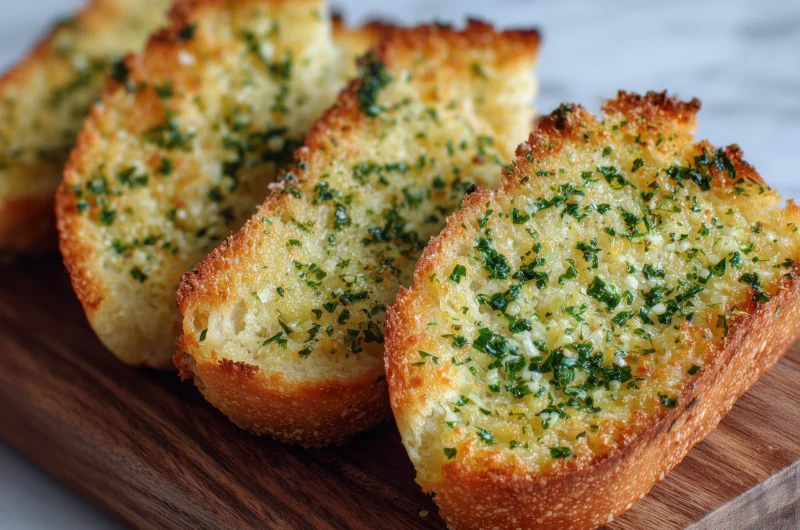
How to Make Garlic Bread at Home
4
servings8
minutes12
minutes230
kcalCrispy on the outside and soft inside, this homemade garlic bread delivers rich buttery flavor with perfectly balanced garlic and herbs. A quick, high-quality recipe designed for consistent, restaurant-style results using simple ingredients and precise baking techniques.
Ingredients
French baguette – 1 loaf (300g)
Unsalted butter (softened) – 100g
Fresh garlic (minced) – 6 cloves
Fresh parsley (chopped) – 2 tablespoons
Salt – ½ teaspoon
Black pepper – ¼ teaspoon
Mozzarella cheese (optional) – ½ cup
Parmesan cheese (optional) – ¼ cup
Olive oil – 1 tablespoon
Directions
- Preheat oven to 180°C (350°F) for even baking results.
- In a bowl, mix softened butter, minced garlic, parsley, salt, and pepper until smooth.
- Slice the baguette evenly and spread the garlic butter across each piece.
- Add cheese or optional toppings if desired for enhanced flavor.
- Place on a baking tray and bake for 10–12 minutes until golden and crisp.
- Broil for 1–2 minutes for extra crunch, then serve warm.
Recipe Video
Notes
- Always use room-temperature butter for smooth spreading
- Avoid overbaking to maintain soft interior texture
- Fresh garlic provides stronger, better flavor than pre-minced
- Preheating oven is essential for even cooking
- Adjust garlic quantity based on taste preference