
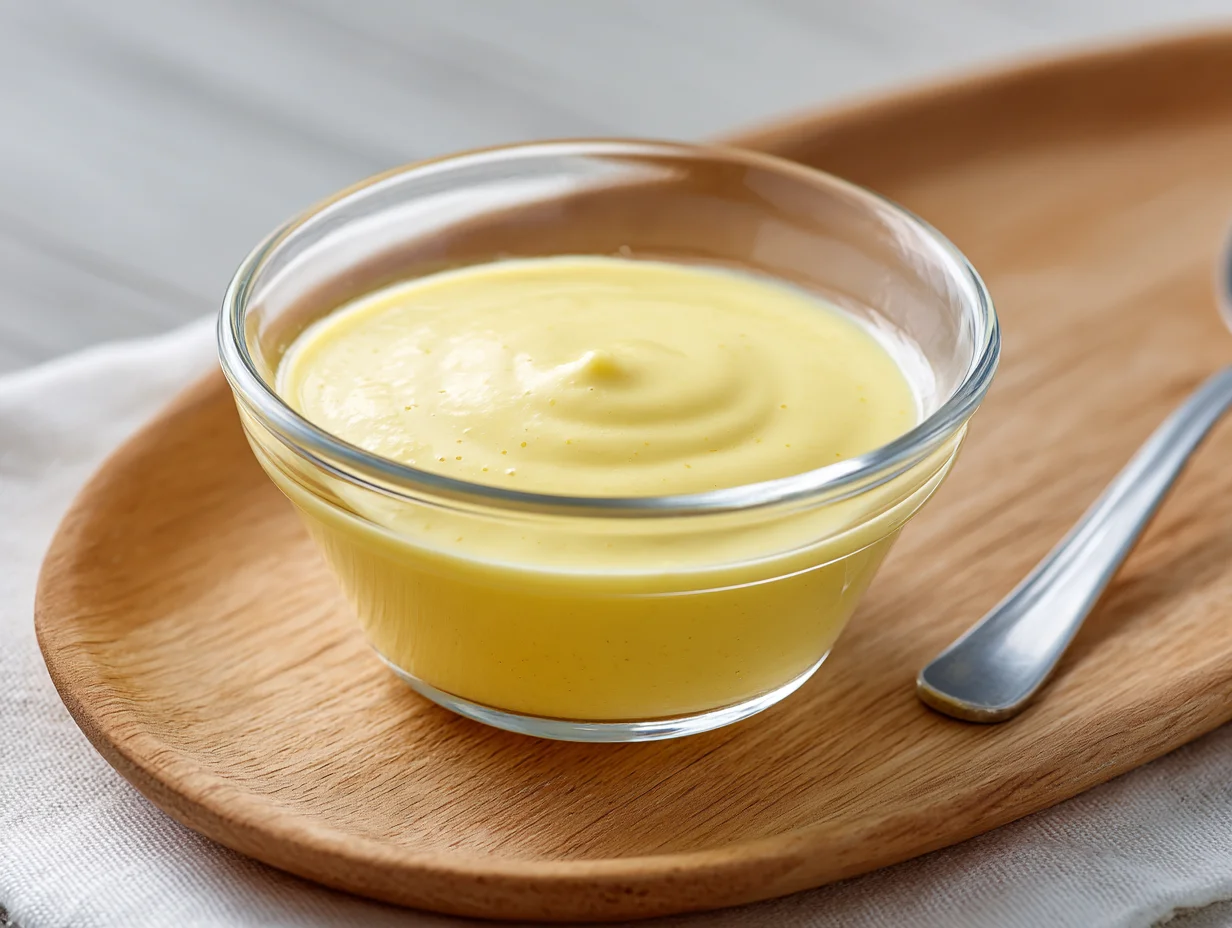
Hollandaise sauce is the crown jewel of classic French cuisine, known for its silky texture, rich butteriness, and delicate balance of acidity. Every spoonful feels luxurious, turning even the simplest dish into a gourmet experience.
What makes this sauce truly special is its emulsification technique. When done correctly, egg yolks and butter combine into a smooth, velvety sauce that is both light and deeply flavorful. It requires attention, patience, and precise temperature control.
This recipe is designed to remove guesswork and deliver consistent results. By mastering gentle heat and proper whisking, you can achieve a restaurant-quality hollandaise at home without fear of curdling or separation.
Perfect for eggs Benedict, vegetables, or seafood, this hollandaise sauce adds elegance and richness to any dish, making it a must-have in your culinary skill set.
Table of Contents
Ingredients You’ll Need
Base Ingredients:
- Egg yolks – 3 large
- Unsalted butter – 1 cup (melted)
- Lemon juice – 1 tbsp
- Salt – ½ tsp
- Black pepper – ¼ tsp
- Water – 1 tbsp (warm)
Optional Add-ins:
- Dijon mustard – ½ tsp
- Cayenne pepper – pinch
- White vinegar – 1 tsp (for added tang)
- Fresh chives – for garnish
- Garlic powder – pinch
Step-by-Step Intrusions
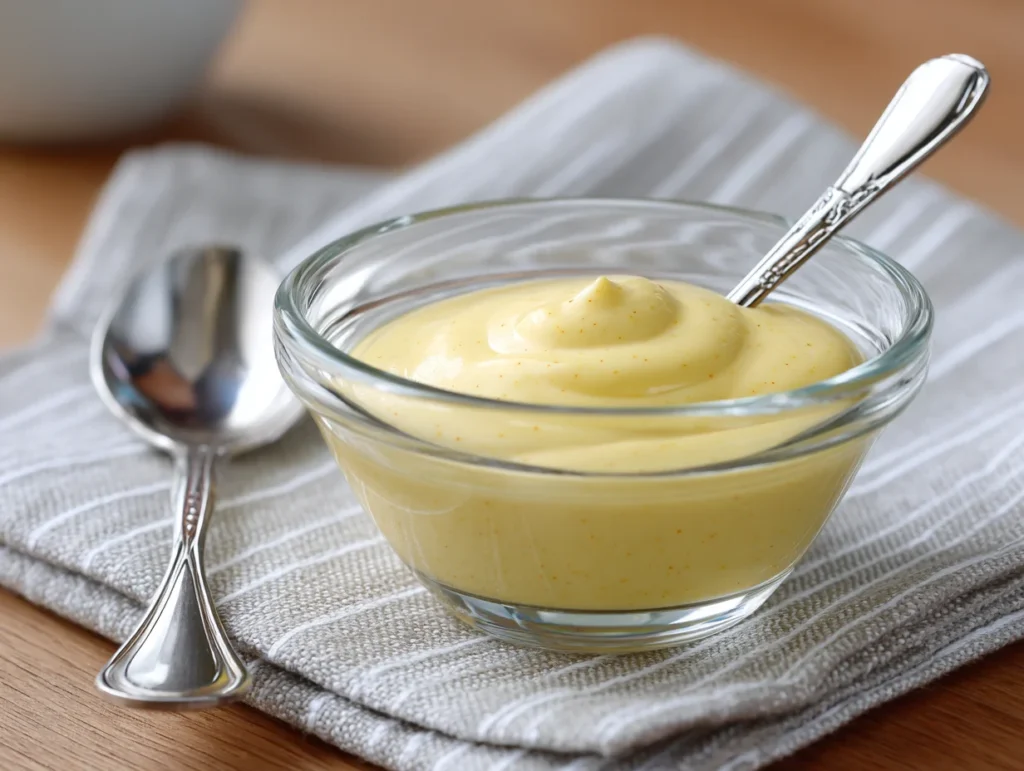
Step 1: Preparing the Egg Base
Start by placing egg yolks and warm water in a heatproof bowl. Whisk continuously until the mixture becomes slightly thick and pale. This step is essential for creating a stable base for emulsification.
Gentle heat control is important to prevent the eggs from scrambling. The goal is to build a smooth foundation that will later absorb butter evenly. Proper whisking ensures texture consistency and prepares the mixture for a creamy, stable hollandaise sauce.
Step 2: Gentle Heating Technique
Place the bowl over a double boiler with simmering water, ensuring the bottom does not touch the water. Continue whisking constantly while the mixture gently thickens. This slow heating process stabilizes the egg yolks and prepares them to emulsify with butter.
Avoid high heat at all costs, as it can cause curdling. The sauce should gradually become smooth and slightly airy, forming the perfect base for butter incorporation.
Step 3: Emulsifying with Butter
Slowly drizzle melted butter into the egg mixture while whisking continuously. Add it in a thin, steady stream to ensure proper emulsification. This step is the heart of hollandaise preparation, where fat and eggs combine into a silky sauce.
If added too quickly, the sauce may separate. Keep whisking until the texture becomes thick, glossy, and creamy. Proper emulsification creates the signature smoothness that defines authentic hollandaise sauce.
Step 4: Final Seasoning and Adjustment
Remove the sauce from heat and add lemon juice, salt, and optional spices. Stir gently to balance flavor and enhance brightness. Adjust consistency by adding a small amount of warm water if needed. The final sauce should be smooth, rich, and pourable.
Taste and refine seasoning carefully. This finishing step ensures harmony between buttery richness and citrus acidity, delivering a perfectly balanced hollandaise sauce ready for serving.
Cook Time
Total: 15 minutes
Prep: 5 minutes
Bake: 10 minutes
Servings
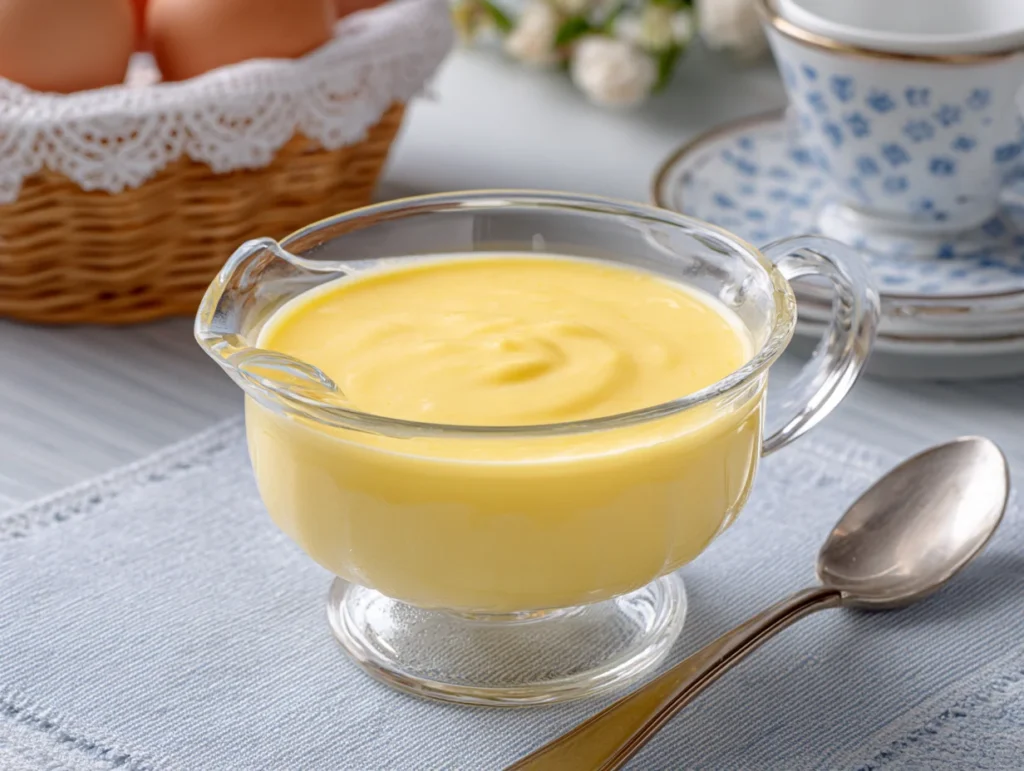
This hollandaise sauce recipe serves approximately 3–4 people, making it ideal for small family breakfasts or elegant brunch servings. Each portion is rich and concentrated, designed to enhance rather than overpower dishes.
The quantity is perfect for classic pairings like eggs Benedict, steamed vegetables, or grilled fish. A small amount goes a long way due to its intense flavor and creamy texture.
Each serving delivers a luxurious, buttery experience that elevates everyday meals into restaurant-style presentations.
Common Mistake in Hollandaise Sauce Recipe
One common mistake is applying too much heat while cooking the egg yolks. This often leads to curdling and ruins the smooth texture of the sauce.
Another issue is adding butter too quickly, which breaks the emulsion and causes separation instead of a creamy consistency.
Many cooks also fail to whisk continuously, resulting in uneven texture and poor emulsification.
Lastly, improper seasoning balance can overpower the delicate buttery flavor, making the sauce too acidic or bland.
Solution for Hollandaise Sauce Recipe
Always use gentle, indirect heat such as a double boiler to protect the egg yolks from overheating.
Add melted butter slowly in a thin stream while whisking constantly to maintain stable emulsification.
Keep whisking continuously to ensure smooth texture and proper integration of ingredients.
Adjust seasoning carefully at the end to maintain balance between richness and acidity.
Nutritional Information (approx. per serving)
- Calories: 250
- Fat: 27g
- Protein: 4g
- Carbohydrates: 1g
- Cholesterol: 180mg
- Sodium: 150mg
This sauce is rich in healthy fats that provide energy and support satiety when used in moderation. The egg yolks contribute essential nutrients like vitamin A, D, and choline.
Its low carbohydrate content makes it suitable for low-carb meals, while its richness enhances nutrient absorption when paired with vegetables or protein-based dishes.
Storage Instructions
Hollandaise sauce is best served fresh, as it does not store well for long periods due to its delicate emulsion structure.
If needed, it can be kept warm for a short time using a double boiler on very low heat.
Refrigeration is not recommended, but if stored, it should be consumed within 24 hours and gently reheated.
Always whisk again before serving to restore smooth texture and prevent separation.
Suggestions
Serve hollandaise sauce over eggs Benedict for a classic breakfast experience.
It also pairs beautifully with steamed asparagus, broccoli, or roasted vegetables.
For seafood lovers, drizzle it over grilled salmon or shrimp for a rich, elegant finish.
You can also use it as a topping for baked potatoes or savory breakfast dishes.
Seasonal Relevance
Hollandaise sauce is especially popular during spring brunches when fresh vegetables like asparagus are in season.
In summer, it enhances light seafood dishes and grilled meals with its creamy texture.
During colder months, it adds richness to warm breakfast and comfort dishes.
Its versatility makes it suitable year-round for both casual and fine dining occasions.
Final Words
Hollandaise sauce represents precision, technique, and elegance in cooking.
With proper heat control and patience, even beginners can achieve a smooth, luxurious result.
Every step contributes to its signature silky texture and balanced flavor.
Once mastered, it becomes a timeless culinary skill that elevates countless dishes.
Frequently Asked Questions
Why does hollandaise sauce separate?
Hollandaise sauce separates when heat is too high or butter is added too quickly. Maintaining gentle heat and slow emulsification is essential to keep the mixture stable and creamy.
Can hollandaise sauce be made without a double boiler?
Yes, but careful heat control is required. Using a heatproof bowl over simmering water helps prevent overheating and ensures safe emulsification of egg yolks and butter.
What can I do if my hollandaise sauce becomes too thick?
If the sauce becomes too thick, whisk in a small amount of warm water or lemon juice. This restores smooth consistency without affecting flavor or stability.
Hollandaise Sauce Recipe That Turns Out Perfect Every Time
4
servings5
minutes10
minutes250
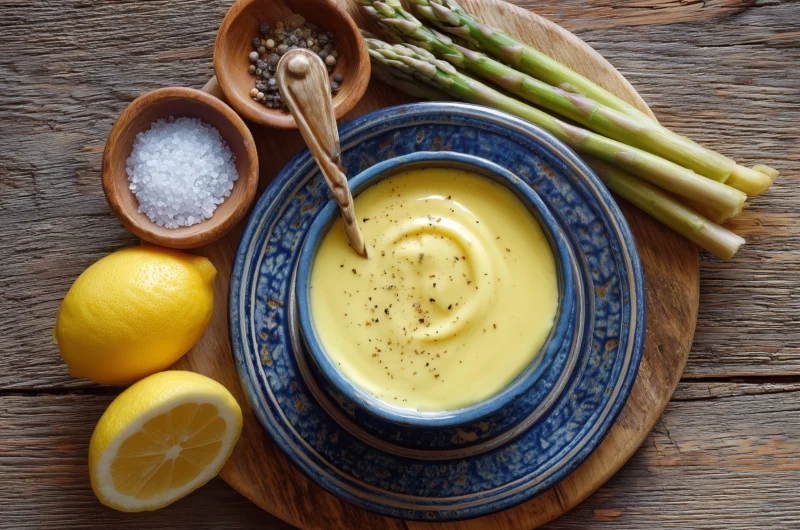
kcalClassic hollandaise sauce made with egg yolks, butter, and lemon juice. Smooth, rich, and silky in texture, this French-inspired sauce adds a luxurious touch to eggs Benedict, vegetables, and seafood, delivering perfect balance of butteriness and tang.
Ingredients
Egg yolks – 3 large
Unsalted butter – 1 cup (melted)
Lemon juice – 1 tbsp
Salt – ½ tsp
Black pepper – ¼ tsp
Water – 1 tbsp (warm)
Optional Add-ins:
Dijon mustard – ½ tsp
Cayenne pepper – pinch
White vinegar – 1 tsp (for added tang)
Fresh chives – for garnish
Garlic powder – pinch
Directions
- Whisk egg yolks with warm water over a double boiler until slightly thick. Slowly drizzle in melted butter while whisking continuously to form a smooth emulsion. Remove from heat and add lemon juice, salt, and optional seasonings. Stir gently until glossy, thick, and creamy. Adjust consistency if needed and serve immediately warm.
Recipe Video
Notes
- Use gentle heat to prevent curdling
- Add butter slowly for stable emulsion
- Whisk continuously for smooth texture
- Serve immediately for best consistency
- Do not overheat egg yolks
- Adjust lemon for balanced flavor