
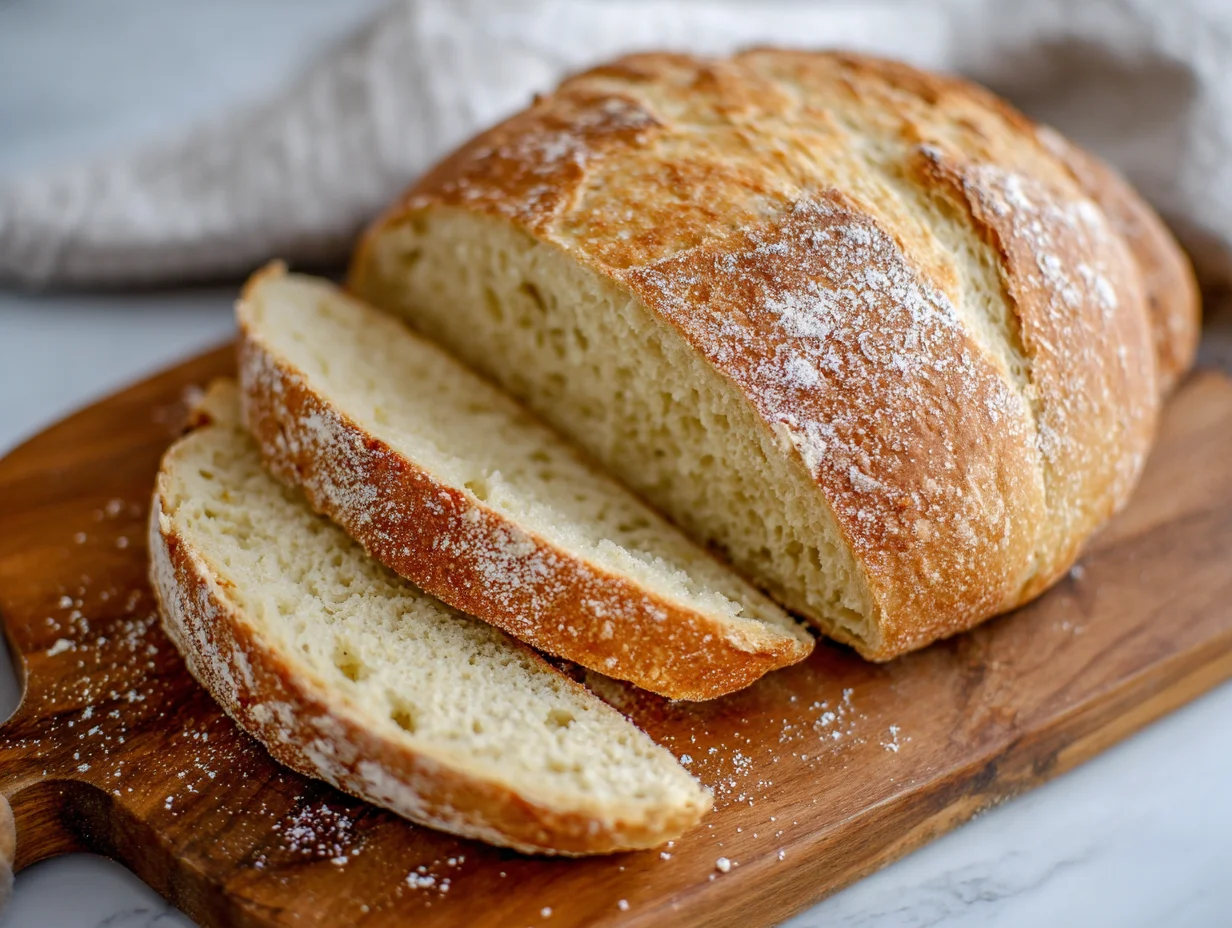
Rustic German bread is the essence of traditional European baking, known for its deep flavor, hearty texture, and beautifully crisp crust. This bread is not just food; it is a reflection of old-world baking techniques that focus on simplicity, time, and quality ingredients. Every slice carries a rich, earthy aroma that defines authentic artisan bread.
What makes this bread special is its balance of structure and softness. The crust is thick and golden, while the inside remains tender, chewy, and full of character. It is crafted using basic pantry ingredients, yet the result feels bakery-level and deeply satisfying.
This recipe is designed for home bakers who want professional-quality bread without complicated methods. With proper fermentation and baking technique, you achieve a loaf that is rustic, flavorful, and naturally aromatic.
Whether served fresh with butter, used for sandwiches, or paired with soups, this German bread delivers comfort, authenticity, and timeless flavor in every bite.
Table of Contents
Ingredients You’ll Need
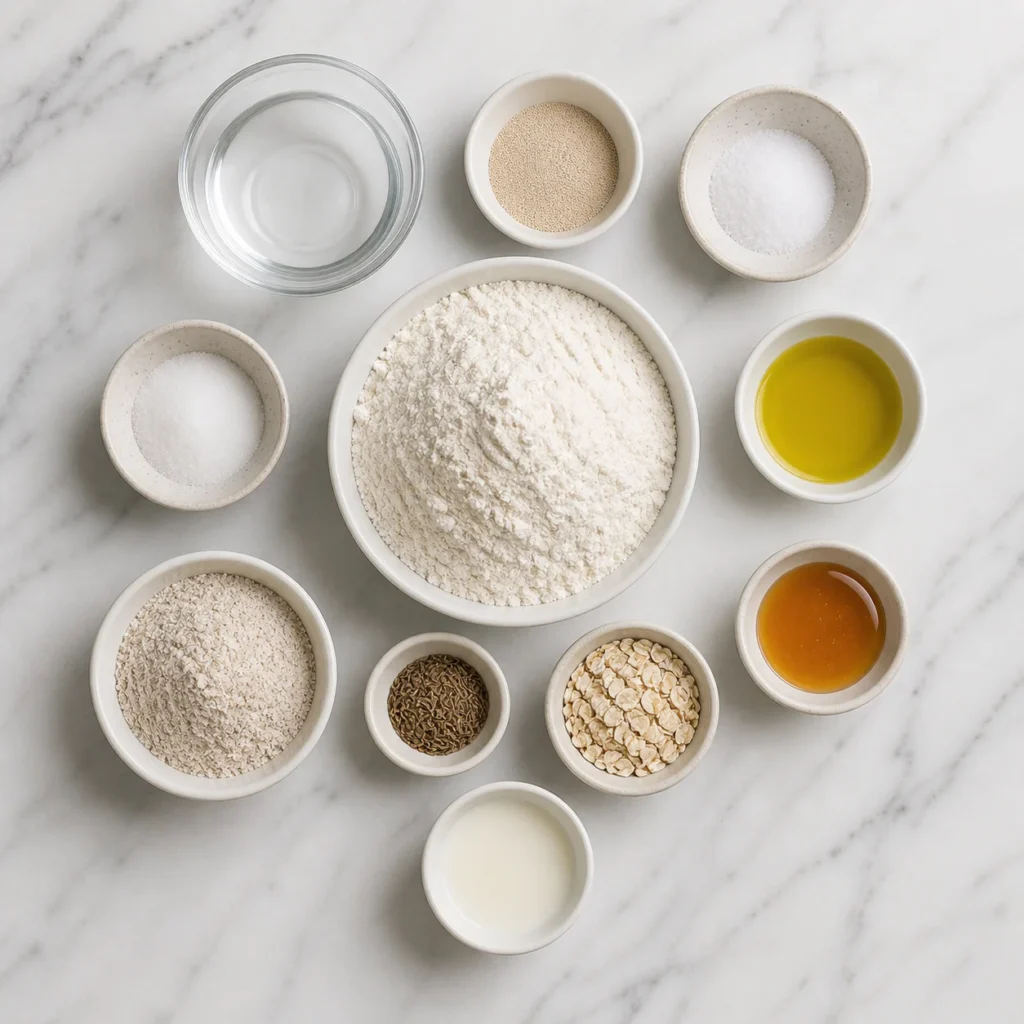
Base Ingredients:
- All-purpose flour – 3 ½ cups (420g)
- Warm water – 1 ¼ cups (300ml)
- Active dry yeast – 2 tsp
- Salt – 1 ½ tsp
- Sugar – 1 tsp
- Olive oil – 1 tbsp
Optional Add-ins:
- Rye flour – ½ cup (for deeper flavor)
- Caraway seeds – 1 tsp
- Oats – 2 tbsp (for texture topping)
- Honey – 1 tsp (for slight sweetness)
- Milk – 2 tbsp (for softer crumb)
Step-by-Step Intrusions
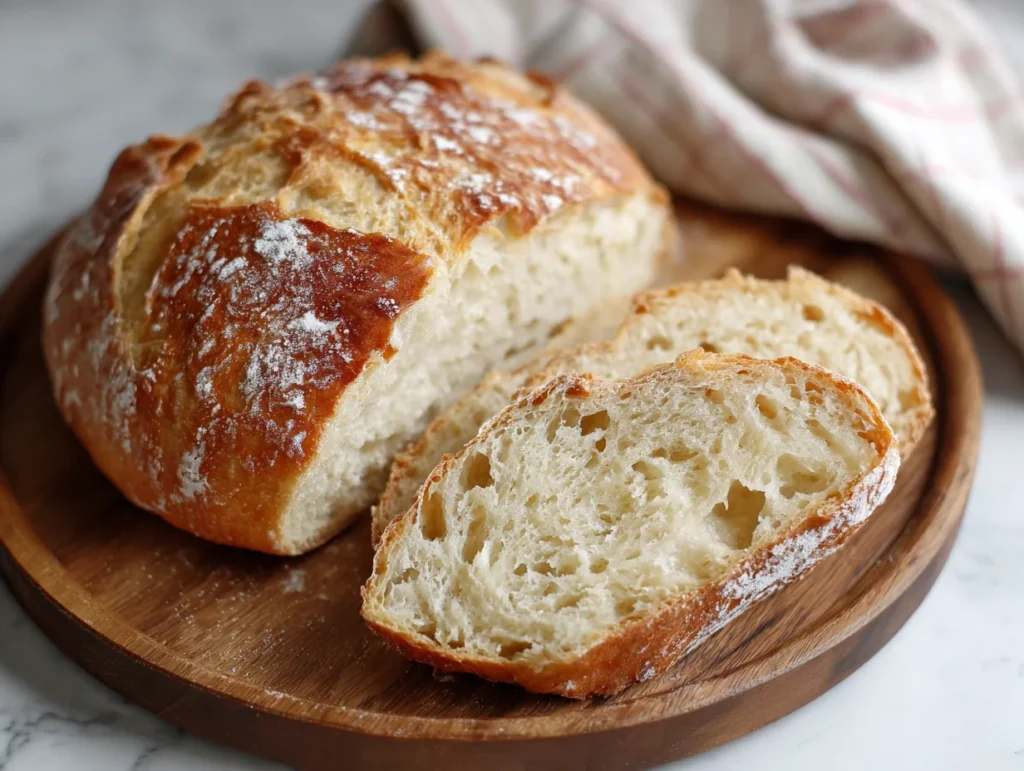
Step 1: Activating the Yeast
Start by combining warm water, sugar, and active dry yeast in a bowl. Let it sit for 5–10 minutes until it becomes frothy and active. This step is crucial because it ensures proper fermentation and dough rise.
If the yeast does not foam, it may be inactive and should be replaced. Proper activation guarantees a light and airy bread structure. This foundation step determines the overall texture and ensures the dough develops strength and elasticity during kneading and baking.
Step 2: Mixing and Forming Dough
In a large mixing bowl, combine flour, salt, and optional rye flour. Gradually add the activated yeast mixture along with olive oil. Mix until a rough dough forms, then knead for 8–10 minutes until smooth and elastic.
Kneading develops gluten, which gives the bread structure and chewiness. The dough should feel soft but not sticky. Proper mixing ensures even distribution of ingredients, creating a balanced flavor and consistent texture throughout the loaf.
Step 3: First Rise and Fermentation
Place the dough in a lightly oiled bowl and cover it with a cloth. Allow it to rise in a warm place for 1–1.5 hours until doubled in size. This fermentation process develops flavor, aroma, and texture.
The yeast works slowly, creating air pockets that make the bread soft inside. Avoid rushing this step, as proper rising is essential for authentic rustic bread structure. A well-fermented dough ensures a light, airy crumb with deep traditional flavor.
Step 4: Shaping and Baking
Punch down the risen dough gently and shape it into a round or oval loaf. Place it on a baking tray, optionally dusted with flour or oats. Bake in a preheated oven at 200°C (392°F) for 25–30 minutes until the crust turns golden brown.
Tap the bottom to check doneness—it should sound hollow. Baking creates the signature rustic crust while locking in moisture. Let it cool before slicing for best texture and flavor.
Cook Time
Total: 1 hour 45 minutes
Prep: 20 minutes
Bake: 25–30 minutes
Servings
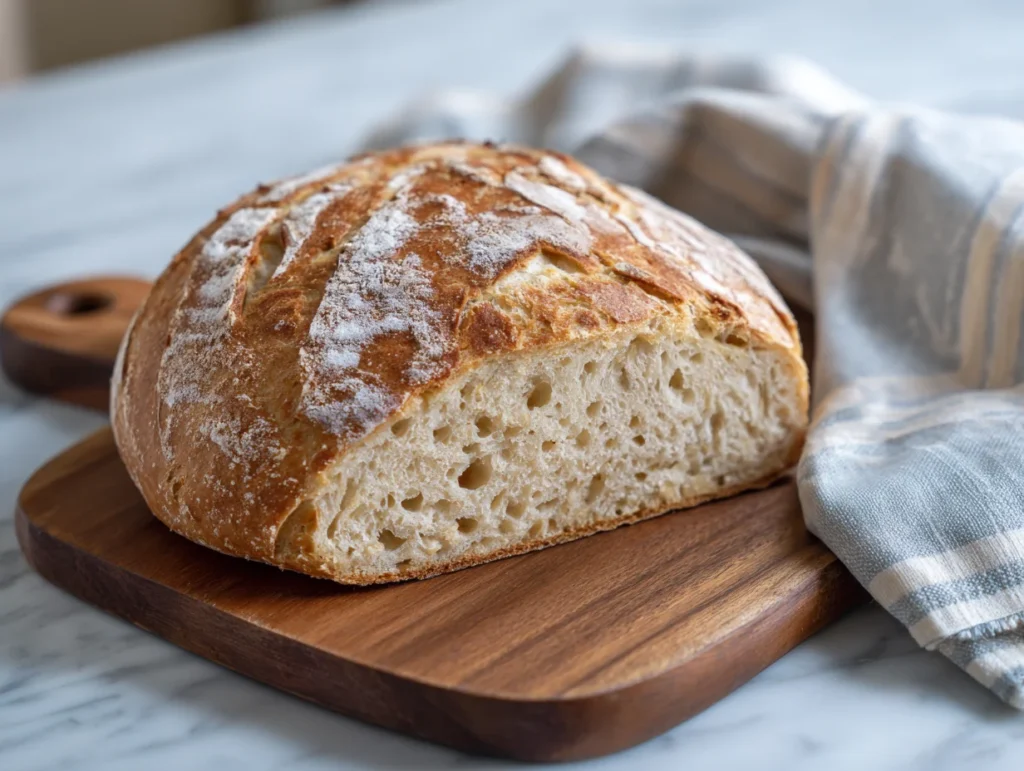
This rustic German bread recipe yields one medium-sized loaf, typically serving 6–8 people depending on portion size. It is ideal for family meals, breakfast tables, or dinner side servings where fresh bread enhances the overall dining experience.
Each slice is hearty, filling, and packed with natural flavor. The dense yet soft texture makes it suitable for both savory and sweet pairings, offering versatility across meals throughout the day.
Whether used for sandwiches or served warm with butter, this bread provides a satisfying homemade experience that feels both traditional and comforting in every serving.
Common Mistakes in German Bread Recipe
One common mistake is using water that is too hot or too cold when activating yeast. Incorrect temperature prevents proper fermentation and leads to dense bread instead of a soft, airy texture.
Another issue is under-kneading the dough. Without enough kneading, gluten does not develop properly, resulting in weak structure and poor rise during baking.
Skipping or shortening the rising time is also a major mistake. Dough needs time to ferment, and rushing this step leads to flat and flavorless bread.
Finally, overbaking or incorrect oven temperature can cause a dry crust and uneven texture, ruining the rustic balance of the loaf.
Solutions for Perfect German Bread
Always use lukewarm water when activating yeast to ensure proper fermentation and a strong dough rise.
Knead the dough thoroughly for at least 8–10 minutes to develop gluten and achieve a smooth, elastic texture.
Allow sufficient rising time in a warm environment so the dough can double in size and build proper flavor and structure.
Maintain accurate oven temperature and baking time to ensure a golden crust with a soft, moist interior.
Nutritional Information (approx. per slice)
- Calories: 160
- Carbohydrates: 30g
- Protein: 5g
- Fat: 2g
- Fiber: 2g
- Sodium: 180mg
This bread provides a steady source of energy due to its carbohydrate content, making it ideal for breakfast or active meals. Whole ingredients support digestion and sustained fullness.
It also contains minimal fat and moderate protein, making it a balanced option for everyday consumption. When paired with healthy toppings, it becomes part of a nutritious diet.
Storage Instructions
Allow the bread to cool completely before storing to prevent moisture buildup. Place it in a bread box or wrap it in a clean cloth for short-term freshness.
It stays fresh at room temperature for up to 2–3 days when properly stored. Avoid refrigeration as it can dry out the texture.
For longer storage, freeze slices in airtight bags and thaw when needed. This preserves both flavor and structure effectively.
Reheat lightly before serving to restore softness and enhance aroma for a fresh-baked experience.
Suggestions
This German bread pairs beautifully with butter, cheese, and homemade jams for breakfast or light snacks.
It also works well as a sandwich base, especially with meats, vegetables, or grilled fillings.
Serve it alongside soups or stews to enhance richness and create a complete meal experience.
For a gourmet touch, toast slices and top with garlic butter or herbs for added flavor depth.
Seasonal Relevance
This rustic bread is perfect for cold seasons when warm, hearty meals are preferred. It complements soups, stews, and comfort foods beautifully.
During spring and summer, it pairs well with lighter spreads, salads, and fresh toppings for balanced meals.
In autumn, it works wonderfully with seasonal flavors like pumpkin soups and roasted vegetables.
Its versatility makes it suitable year-round, adapting easily to both light and heavy meals depending on the season.
Final Words
Rustic German bread represents tradition, simplicity, and craftsmanship in baking. Every step contributes to its authentic texture and rich flavor.
With proper technique and patience, home bakers can achieve bakery-level results without complexity or special equipment.
This bread is more than a recipe, it is a timeless staple that enhances everyday meals with warmth and character.
Once mastered, it becomes a reliable homemade favorite for all occasions.
Frequently Asked Questions
Can I use only all-purpose flour for German bread?
Yes, all-purpose flour works well. However, adding a small amount of rye flour enhances flavor and gives a more authentic rustic texture typical of traditional German bread.
Why is my bread not rising properly?
Improper yeast activation or cold water can prevent rising. Ensure yeast is fresh and water is lukewarm to activate fermentation effectively for a good dough rise.
How do I get a crispy crust on homemade bread?
Bake at a high initial temperature and place a small tray of water in the oven. This creates steam, helping form a crispy, golden crust while keeping the inside soft.
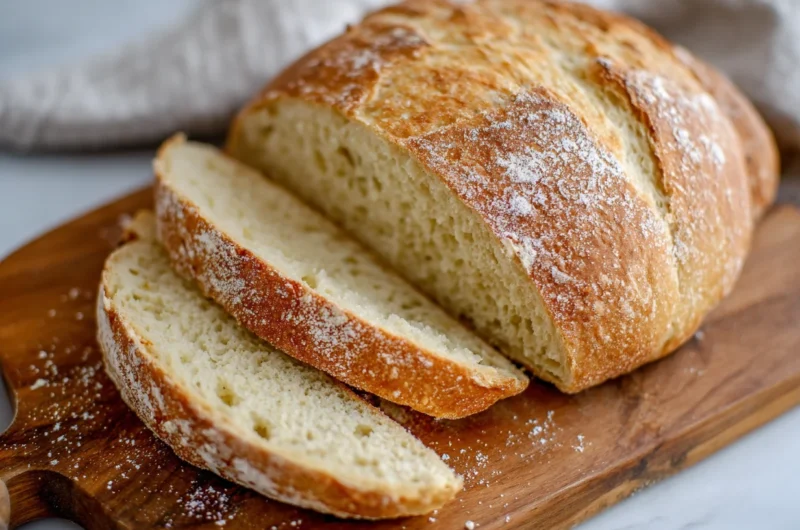
Rustic German Bread Recipe
6
servings20
minutes30
minutes160
kcalRustic German bread made with simple pantry ingredients, featuring a crisp golden crust and soft, chewy interior. This traditional artisan loaf delivers deep flavor, perfect for sandwiches, soups, or enjoying fresh with butter.
Ingredients
All-purpose flour – 3 ½ cups (420g)
Warm water – 1 ¼ cups (300ml)
Active dry yeast – 2 tsp
Salt – 1 ½ tsp
Sugar – 1 tsp
Olive oil – 1 tbsp
Rye flour – ½ cup (optional)
Caraway seeds – 1 tsp (optional)
Oats – 2 tbsp (optional topping)
Honey – 1 tsp (optional)
Directions
- Activate yeast in warm water with sugar until foamy. Mix flour, salt, and optional rye flour, then add yeast mixture and olive oil. Knead dough until smooth and elastic. Let it rise for 1–1.5 hours until doubled. Shape loaf and bake at 200°C (392°F) for 25–30 minutes until golden brown and hollow-sounding when tapped. Cool before slicing.
Recipe Video
Notes
- Use lukewarm water to activate yeast properly
- Knead dough well for better texture and structure
- Allow full rising time for best flavor development
- Do not slice bread while hot; it affects texture
- Add steam in oven for crispier crust
- Store in cloth or bread box for freshness