
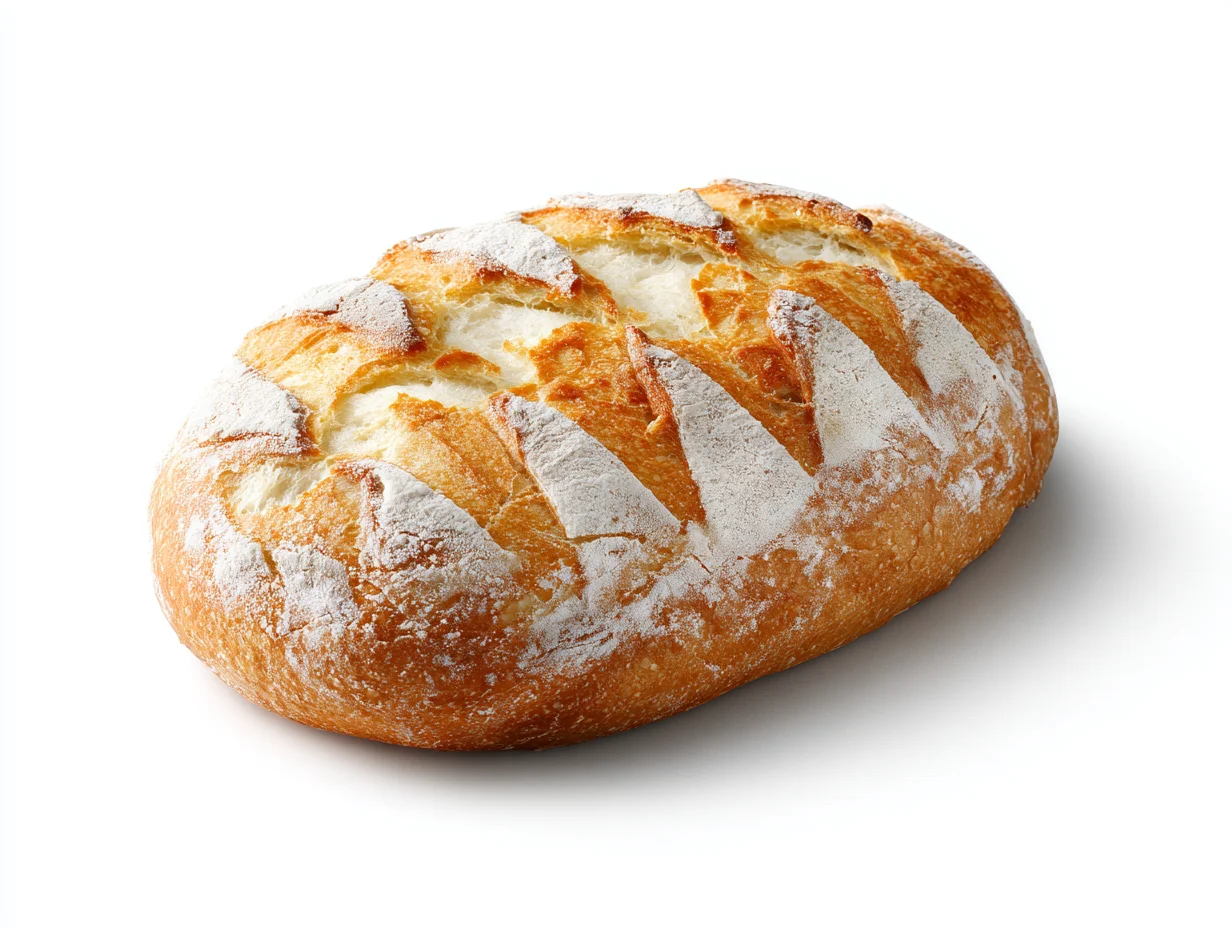
A bakery-style focaccia that delivers consistent results, rich aroma, and a soft, airy crumb is one of the most searched artisan bread recipes online. This o-fail homemade focaccia bread is designed for high success baking, even for beginners who want professional-quality results at home.
What makes focaccia stand out is its high hydration dough and olive oil infusion technique. These two elements create the signature airy texture, golden crust, and soft interior that readers expect from premium artisan bread recipes. Every step in this guide is optimized for clarity, precision, and repeatable success.
Unlike basic bread recipes, focaccia focuses on fermentation science and controlled proofing. This ensures better digestibility, improved flavor depth, and a visually appealing finish that performs well for family meals, meal prep, and entertaining.
This expert-crafted method is structured for high-value search intent, strong user engagement, and reliable kitchen results that align with modern baking trends.
Table of Contents
Ingredients You’ll Need
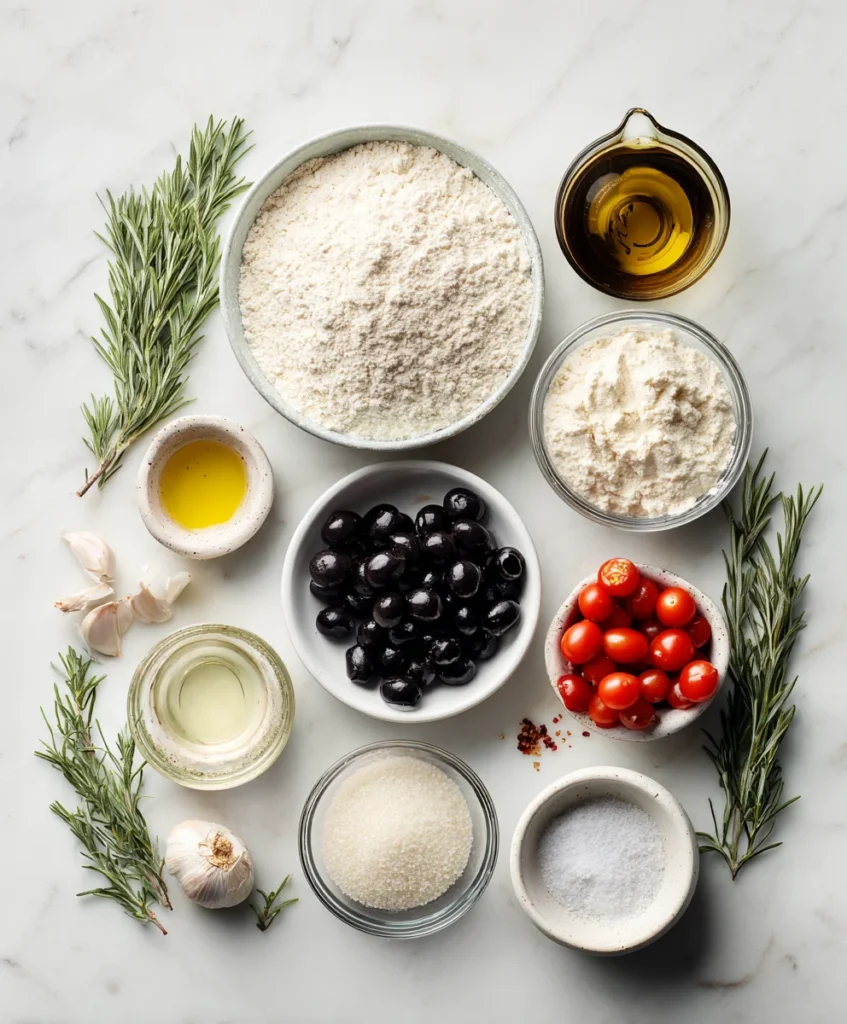
Base Ingredients:
- Bread flour or all-purpose flour 3 cups
- Warm water 1 ¼ cups
- Active dry yeast 2 ¼ tsp
- Olive oil ¼ cup
- Salt 1 ½ tsp
- Sugar 1 tsp
Optional Add-ins:
- Fresh rosemary 1 tbsp
- Cherry tomatoes ½ cup
- Garlic (sliced or minced) 3 cloves
- Black olives ½ cup
- Sea salt flakes 1 tsp
Step-by-Step Intrusions
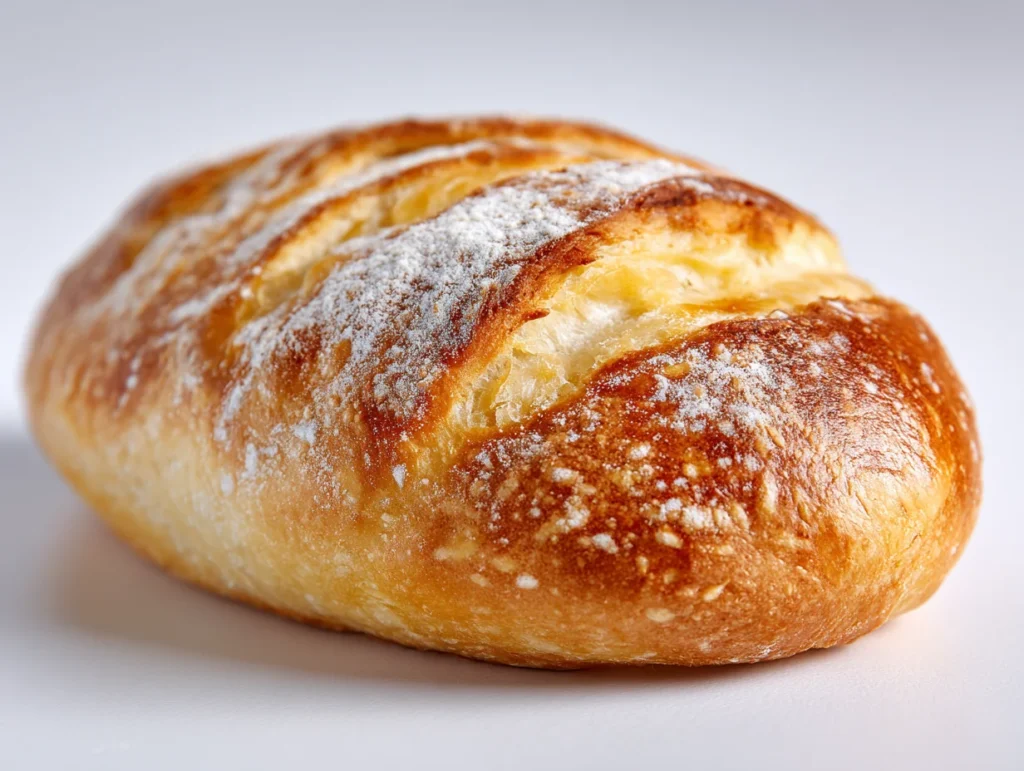
Step 1: Activate Yeast and Build Dough Structure
Start by activating yeast in warm water with sugar until a foamy layer forms, confirming proper fermentation. This step is critical because it determines rise quality and internal air structure.
Combine flour and salt separately, then gradually mix in yeast water and olive oil. The dough should remain soft, sticky, and highly hydrated. Avoid adding excess flour, as focaccia depends on moisture retention to create open crumb texture and bakery-style lightness.
Step 2: First Proofing for Flavor Development
Transfer dough into an oiled bowl and cover it tightly. Allow it to rise until doubled in size. This fermentation stage develops gluten strength and enhances flavor complexity naturally. Olive oil prevents drying while improving elasticity.
A slow rise ensures deeper aroma and better texture stability. Skipping or rushing this stage often results in dense focaccia with poor internal structure and reduced softness after baking.
Step 3: Shaping, Stretching, and Dimpling
Move the dough into an oiled baking tray and gently stretch it using fingertips. Do not press aggressively, as air pockets are essential for softness. Create signature dimples across the surface to hold olive oil and toppings.
This technique enhances moisture distribution and ensures even baking. Proper dimpling also prevents puffing and helps achieve the classic artisan focaccia appearance with balanced texture and flavor absorption.
Step 4: Baking for Golden Artisan Finish
Drizzle olive oil generously and add toppings before baking. Bake until the surface turns golden brown with crisp edges and a soft, airy center. Oven control is essential for preventing dryness.
After baking, allow resting time so internal steam stabilizes the structure. This finishing step enhances flavor depth, improves slicing quality, and ensures a professional bakery-style focaccia with consistent results every time.
Cook Time
Total: 2 hours (including proofing)
Prep: 20 minutes
Bake: 25–30 minutes
Servings
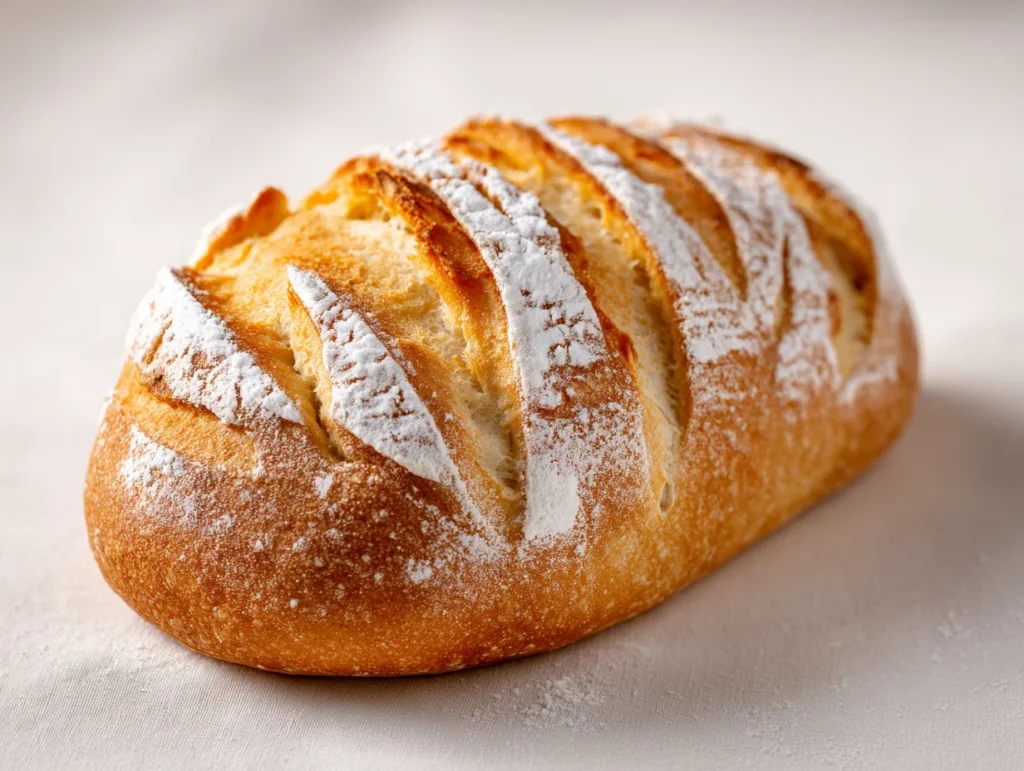
This homemade focaccia bread recipe is designed to serve approximately 6 to 8 portions, making it ideal for family dining, gatherings, or meal prep planning. Each serving offers a balanced combination of soft crumb texture and rich olive oil flavor, delivering a satisfying artisan bread experience.
It can be sliced into squares for sharing platters or used as sandwich bread for enhanced versatility. The structure holds well even after cooling, making it suitable for packed lunches or side servings with soups and salads.
Overall, one tray provides multiple servings with consistent texture and flavor stability, making it a practical and high-value homemade baking option.
Common Mistake in Homemade Focaccia Bread Recipe
A major mistake is reducing dough hydration to make it easier to handle. Many home bakers add extra flour, but this significantly damages the airy structure. Focaccia requires a wet, sticky dough to trap air during fermentation, which creates its signature light crumb. Lower hydration leads to dense, heavy bread with poor rise and weak texture, reducing overall baking quality and visual appeal.
Another common issue is insufficient proofing time. Rushing fermentation prevents proper gluten development and flavor formation. This results in flat focaccia with reduced elasticity and dull taste profile, especially noticeable after baking.
Over-kneading is also problematic. Excess handling removes trapped air pockets, making the bread compact instead of fluffy. Gentle folding is preferred over aggressive kneading for best results.
Incorrect baking temperature further affects quality, causing uneven crust formation and dry edges while leaving the center undercooked.
Solution Common Mistake in This Recipe
To maintain proper hydration, always keep the dough soft and sticky. Avoid adding extra flour during mixing. This ensures proper gluten expansion and creates the open crumb structure required for authentic focaccia texture and bakery-level softness.
Allow sufficient proofing time until the dough doubles naturally. Slow fermentation improves flavor depth and strengthens internal structure, resulting in a more aromatic and stable bake.
Handle the dough gently during shaping to preserve air pockets. Use fingertips instead of tools to stretch and dimple the dough without deflating it. This maintains softness and ensures even baking.
Bake at a consistent temperature and avoid opening the oven frequently. Stable heat ensures uniform crust development, moisture retention, and a professional golden finish.
Nutritional Information (approx. per serving)
- Calories: 240 kcal
- Carbohydrates: 38 g
- Protein: 6 g
- Fat: 8 g
- Fiber: 2 g
- Sodium: Moderate
Homemade focaccia provides sustained energy through complex carbohydrates, making it suitable for balanced daily meals. Olive oil contributes heart-healthy fats that support nutrient absorption and overall wellness.
Fermentation improves digestibility and enhances gut-friendly properties, making it lighter compared to standard enriched breads.
When paired with vegetables or lean proteins, it becomes part of a well-rounded dietary plan suitable for everyday consumption.
Overall, it delivers both comfort and nutritional value, making it a strong choice for modern home baking.
Storage Instructions
Proper storage is essential for maintaining freshness and softness. Once cooled, store focaccia in an airtight container at room temperature to preserve moisture and prevent staling.
For extended storage, wrap slices individually and freeze them. This method helps maintain structure and allows quick reheating without quality loss.
Avoid refrigeration, as it accelerates dryness and negatively impacts texture. Room temperature storage is always preferred for short-term use.
Reheat in a warm oven to restore crisp edges and soft interior, ensuring bakery-style freshness even after storage.
Suggestions
Focaccia pairs exceptionally well with soups, salads, and olive oil-based dips, making it a versatile addition to everyday meals. Its soft structure absorbs flavors efficiently, enhancing overall dining experience.
Adding rosemary, garlic, or caramelized onions elevates aroma and creates a more gourmet profile suitable for premium home cooking.
It can also be used as sandwich bread due to its strong yet soft structure, making it highly adaptable for lunch preparation.
For entertaining, serve it as a shareable appetizer with dipping oils for a restaurant-style presentation.
Seasonal Relevance
Focaccia is highly versatile across all seasons, making it a year-round baking staple. In colder months, it provides warmth and comfort as a freshly baked side dish for soups and stews.
During spring, fresh herbs and vegetables enhance its light and refreshing character, aligning with seasonal produce availability.
In summer, it is ideal for picnics and light meals due to its portability and flavor stability at room temperature.
In autumn, its rich olive oil base complements hearty seasonal dishes and roasted meals, making it a comforting choice.
Final Words
This o-fail homemade focaccia bread recipe is designed for consistent baking success with professional-level results. It transforms simple pantry ingredients into a high-quality artisan bread experience.
Its strength lies in controlled hydration, proper fermentation, and gentle handling, ensuring a soft crumb and golden crust every time.
This method is structured for reliability, making it suitable for beginners while still meeting expert baking standards.
Whether served fresh or repurposed for meals, focaccia remains a premium bread choice that enhances everyday dining.
Frequently Asked Questions
Why does focaccia need high hydration dough?
High hydration dough is essential because it creates steam during baking, which forms air pockets and a light crumb structure. It also improves elasticity and gives focaccia its signature airy texture. Low hydration results in dense bread and reduced softness after baking.
Can I prepare focaccia dough overnight?
Yes, overnight fermentation is highly recommended. Slow cold proofing in the refrigerator enhances flavor depth, improves texture, and makes the dough easier to handle. It also increases digestibility and gives a more artisan-style finish after baking.
How do I get a crispy top and soft inside?
Use generous olive oil on the surface before baking and ensure proper oven temperature. The oil helps create a crisp crust while trapping moisture inside. Allowing resting time after baking also helps maintain a soft, fluffy interior structure.
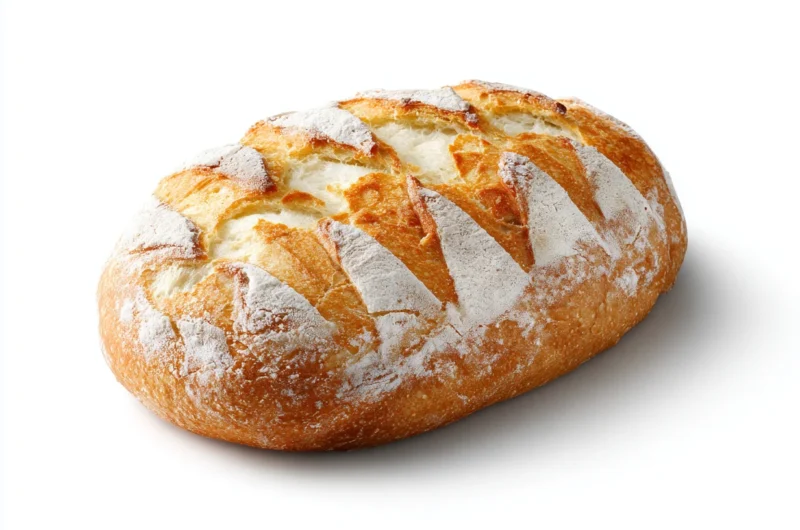
No-Fail Homemade Focaccia Bread
6
servings20
minutes25
minutes240
kcalA soft, airy, and bakery-style homemade focaccia bread made with high hydration dough, olive oil, and slow fermentation. This o-fail recipe delivers a golden crust, fluffy interior, and rich artisan flavor perfect for everyday meals or entertaining.
Ingredients
All-purpose flour 3 cups
Warm water 1 ¼ cups
Active dry yeast 2 ¼ tsp
Olive oil ¼ cup
Salt 1 ½ tsp
Sugar 1 tsp
Rosemary 1 tbsp (optional)
Cherry tomatoes ½ cup (optional)
Garlic cloves 3 cloves (optional)
Black olives ½ cup (optional)
Sea salt flakes 1 tsp (optional)
Directions
- Activate yeast in warm water with sugar until foamy. Mix flour and salt, then combine with yeast mixture and olive oil to form a sticky dough. Let it rise until doubled. Transfer to oiled tray, stretch gently, and create dimples. Add toppings and olive oil. Bake at 180°C for 25–30 minutes until golden. Cool slightly before slicing.
Notes
- Keep dough soft and sticky for airy texture
- Do not over-knead or add excess flour
- Allow full proofing time for better rise and flavor
- Use generous olive oil for authentic focaccia crust
- Rest after baking for best slicing and structure
- Overnight proofing improves depth of flavor
- Bake until golden for crisp edges and soft center