
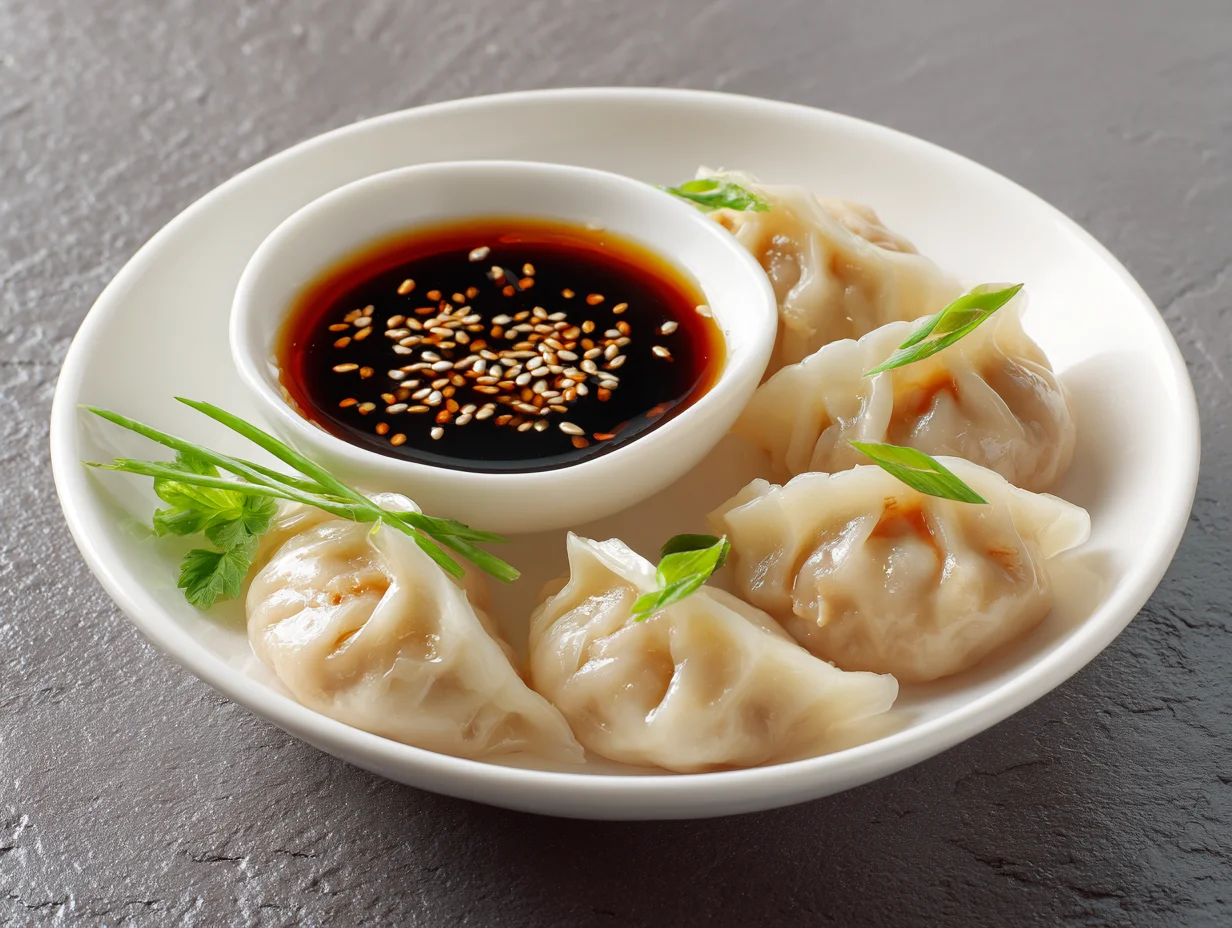
A truly exceptional dumpling sauce is the difference between an average meal and a premium dining experience. In high-performing recipes, sauces like this drive engagement because they deliver immediate, noticeable flavor impact. This dumpling sauce is crafted for precision, balance, and repeat success.
In professional kitchens, dipping sauces are engineered to enhance, not overpower, the main dish. The right balance of umami, acidity, and subtle heat creates a layered flavor profile that keeps every bite interesting. That’s exactly what this recipe achieves with minimal but powerful ingredients.
From a content strategy perspective, dumpling sauce recipes rank highly due to consistent global demand and strong user intent. Readers aren’t just browsing, they’re actively looking for reliable, restaurant-quality results.
This guide is designed to deliver maximum value, combining expert technique with practical simplicity. The result is a versatile, high-quality sauce that elevates dumplings and enhances your overall cooking experience.
Table of Contents
Ingredients You’ll Need
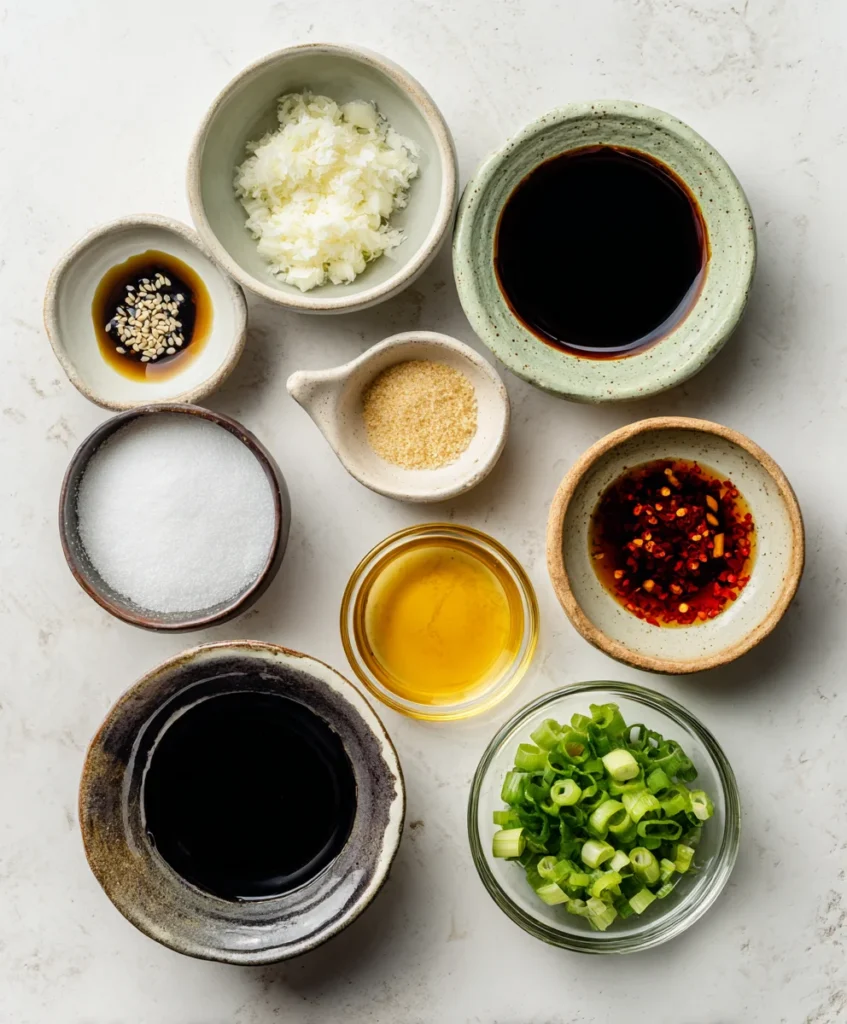
Base Ingredients:
- Soy sauce – 3 tablespoons (premium quality recommended)
- Rice vinegar – 2 tablespoons
- Sesame oil – 1 teaspoon
- Garlic (fresh, minced) – 1 teaspoon
- Sugar – 1 teaspoon
- Water – 1 tablespoon
Optional Add-ins:
- Chili oil – 1 teaspoon
- Green onions (finely chopped) – 1 tablespoon
- Ginger (fresh, grated) – ½ teaspoon
- Black vinegar – 1 teaspoon
- Honey – ½ teaspoon
Step-by-Step Intrusions
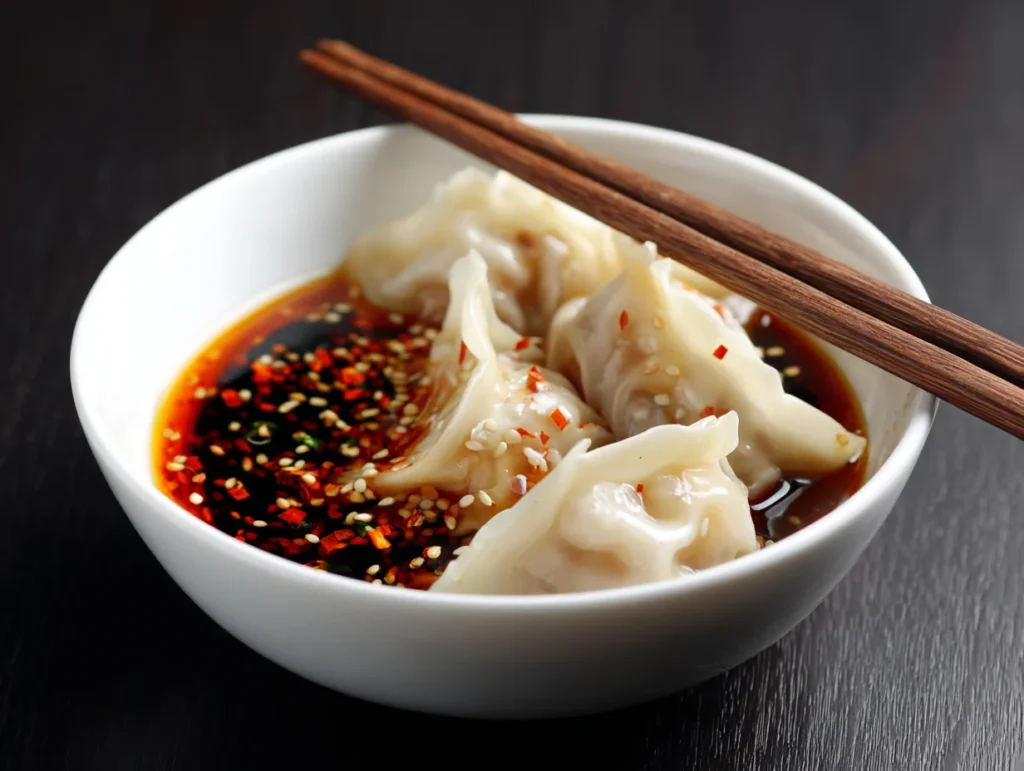
Step 1: Establish a Balanced Base
In a clean bowl, combine soy sauce and rice vinegar, stirring gently until fully blended. This base is critical because it defines the overall flavor direction of the sauce. High-quality soy sauce provides deep umami, while rice vinegar introduces controlled acidity. Avoid overpowering ratios, balance is key.
Mix thoroughly until the liquid appears uniform. This step ensures a strong foundation, allowing the sauce to complement dumplings effectively while maintaining a refined, restaurant-quality taste profile that appeals to discerning users.
Step 2: Layer Flavor Complexity
Add sesame oil, minced garlic, and sugar into the base mixture. Stir continuously to dissolve the sugar completely and distribute the garlic evenly. Sesame oil introduces a subtle nutty aroma, while garlic enhances depth and sharpness.
The sugar balances acidity, creating a smoother finish. This stage builds complexity without adding heaviness. Proper integration here ensures the sauce remains clean, balanced, and versatile, qualities that significantly improve user satisfaction and recipe performance.
Step 3: Strategic Flavor Enhancement
Incorporate optional ingredients such as chili oil, green onions, or ginger to elevate the sauce. Add gradually and taste after each adjustment. These elements provide heat, freshness, and additional layers of flavor.
The goal is controlled enhancement, not overpowering intensity. A well-balanced sauce adapts to different preferences while maintaining its core identity. This flexibility increases usability across multiple dishes, making the recipe more valuable and engaging for a wider audience.
Step 4: Final Consistency and Resting
Add water to slightly dilute the sauce, ensuring it’s not overly concentrated. Let the mixture rest for 10–15 minutes before serving. This resting period allows flavors to integrate fully, resulting in a smoother, more cohesive taste.
Stir again before use to maintain consistency. This final step is essential for achieving a polished, professional finish that enhances both flavor delivery and user experience.
Cook Time
Total: 10 minutes
Prep: 10 minutes
Bake: Not required
Servings

This dumpling sauce recipe is optimized for practical use, delivering a portion size that supports multiple servings without compromising freshness. It’s ideal for everyday meals as well as small gatherings.
For content creators, this yield aligns with high-engagement recipes that prioritize usability and repeat application. Readers benefit from a recipe that is both efficient and adaptable.
Makes approximately ½ cup of sauce, serving 3–4 people. This balanced quantity ensures consistent flavor distribution while encouraging users to return for more high-value recipes.
Critical Mistakes That Reduce Sauce Quality
One of the most common errors is using excessive soy sauce. This creates an overly salty profile that masks other flavors and reduces the sauce’s overall appeal.
Skipping the sweet component is another frequent mistake. Without sugar or honey, the sauce lacks balance and becomes too sharp, especially when combined with vinegar.
Overloading strong ingredients like garlic or chili oil can overwhelm the sauce. Instead of enhancing flavor, it creates an aggressive taste that limits versatility.
Neglecting resting time prevents proper flavor integration. Without this step, the sauce tastes disconnected and less refined, lowering overall quality and user satisfaction.
Expert Solutions for Balanced Flavor
Use measured amounts of soy sauce to maintain control over saltiness and ensure a well-rounded flavor profile that enhances rather than dominates.
Always include a small sweet element to balance acidity. This creates a smoother, more enjoyable taste that appeals to a broader audience.
Add strong ingredients gradually and taste frequently. This approach ensures precise control and prevents overpowering the sauce.
Allow the sauce to rest before serving. This simple yet critical step significantly improves flavor cohesion and overall quality.
Nutritional Information (approx. per serving)
- Calories – 40 kcal
- Protein – 1g
- Carbohydrates – 3g
- Fat – 2g
- Sodium – 400mg
This sauce is low in calories, making it a smart addition to meals without increasing overall intake significantly. Its concentrated flavor allows for smaller portions, supporting balanced eating habits.
Ingredients like garlic and ginger contribute natural compounds that support digestion and overall wellness, adding functional value beyond taste.
Its light composition ensures it complements dishes without adding heaviness, making it suitable for a wide range of meals.
When used in moderation, it enhances flavor while maintaining nutritional balance, aligning with modern dietary preferences.
Storage Instructions
Store the sauce in a sealed, airtight container immediately after preparation to preserve freshness and prevent contamination. Proper storage ensures consistent quality.
Keep refrigerated and consume within 5–7 days for best flavor and safety. Fresh ingredients require stable cold conditions to maintain integrity.
Stir well before each use, as ingredients may settle over time. This restores the original consistency and flavor balance.
Avoid freezing, as it can negatively affect texture and reduce the quality of fresh aromatics like garlic and green onions.
Suggestions
Serve this dumpling sauce with steamed, fried, or pan-seared dumplings to create a complete and satisfying dining experience that highlights authentic flavors.
Use it as a versatile dipping sauce for spring rolls or wontons, expanding its usability and increasing recipe value.
Drizzle over noodles or rice bowls for an instant flavor upgrade that transforms simple meals into something more refined.
Adjust spice and acidity levels slightly to suit personal preference, making the sauce adaptable and user-friendly.
Seasonal Relevance
This dumpling sauce maintains strong relevance throughout the year due to its versatility and compatibility with a wide range of dishes.
In colder seasons, it enhances warm dumplings and soups, adding depth and richness to comfort meals.
During warmer months, its tangy and light profile pairs well with lighter dishes, providing a refreshing contrast.
Its consistent demand and adaptability make it an evergreen recipe that performs well across all seasons.
Finl Words
A well-balanced dumpling sauce is a small detail that delivers significant impact. It elevates flavor, enhances texture, and improves the overall dining experience.
This recipe focuses on precision and usability, ensuring consistent results that meet high culinary standards.
By following expert techniques and avoiding common mistakes, you can create a sauce that rivals restaurant quality.
With regular use, this sauce becomes an essential part of your cooking routine, adding value to every meal you prepare.
Frequently Asked Questions
Can I prepare this dumpling sauce in advance for meal prep?
Yes, this sauce is ideal for meal prep. Prepare it in advance and store it in an airtight container in the refrigerator for up to a week. The flavor actually improves over time as the ingredients blend together, delivering a more balanced and refined taste.
What type of soy sauce works best for this recipe?
A premium-quality light soy sauce is recommended for the best balance of flavor and saltiness. It provides a clean umami taste without overpowering the sauce. Avoid overly dark or thick soy sauces, as they can alter the intended flavor profile.
Can I make this sauce without sesame oil?
Yes, but sesame oil adds a distinctive nutty aroma that enhances authenticity. Without it, the sauce will still taste good but may lack depth. You can substitute with a small amount of olive oil, though the flavor will differ slightly.
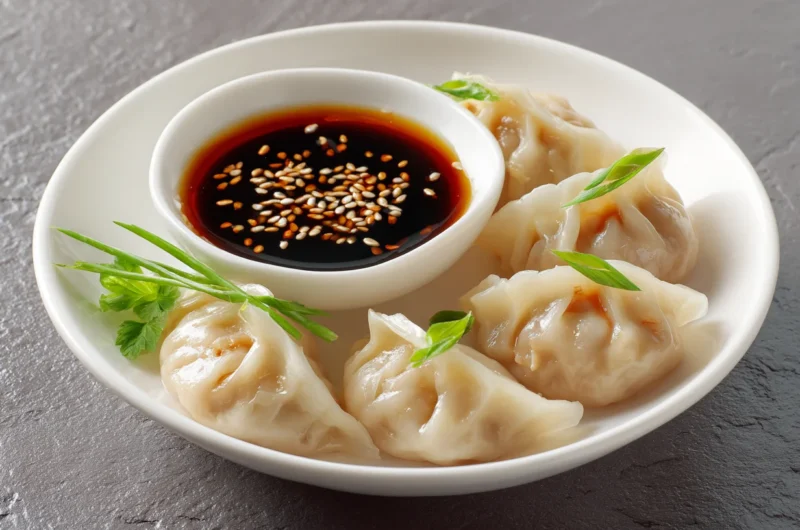
Dumpling Sauce Recipe You’ll Keep Handy
4
servings10
minutes5
minutes40
kcalA perfectly balanced dumpling sauce made with soy sauce, vinegar, sesame oil, and aromatics. This restaurant-style dipping sauce delivers rich umami depth, tangy brightness, and subtle heat, enhancing dumplings, noodles, and appetizers with premium flavor.
Ingredients
Soy sauce – 3 tablespoons (premium quality recommended)
Rice vinegar – 2 tablespoons
Sesame oil – 1 teaspoon
Garlic (minced) – 1 teaspoon
Sugar – 1 teaspoon
Water – 1 tablespoon
Chili oil – 1 teaspoon (optional)
Green onions – 1 tablespoon (chopped)
Ginger – ½ teaspoon (grated)
Black vinegar – 1 teaspoon (optional)
Honey – ½ teaspoon (optional)
Directions
- Mix soy sauce and rice vinegar in a bowl until fully combined.
- Add sesame oil, garlic, and sugar, stirring until smooth.
- Add optional ingredients like chili oil, ginger, or green onions.
- Adjust consistency with water and mix well.
- Rest for 10–15 minutes before serving for enhanced flavor.
Recipe Video
Notes
- Use high-quality soy sauce for deeper umami flavor
- Resting time improves taste and balance significantly
- Adjust spice level gradually for controlled heat
- Store in airtight container in refrigerator
- Stir well before serving for best consistency