
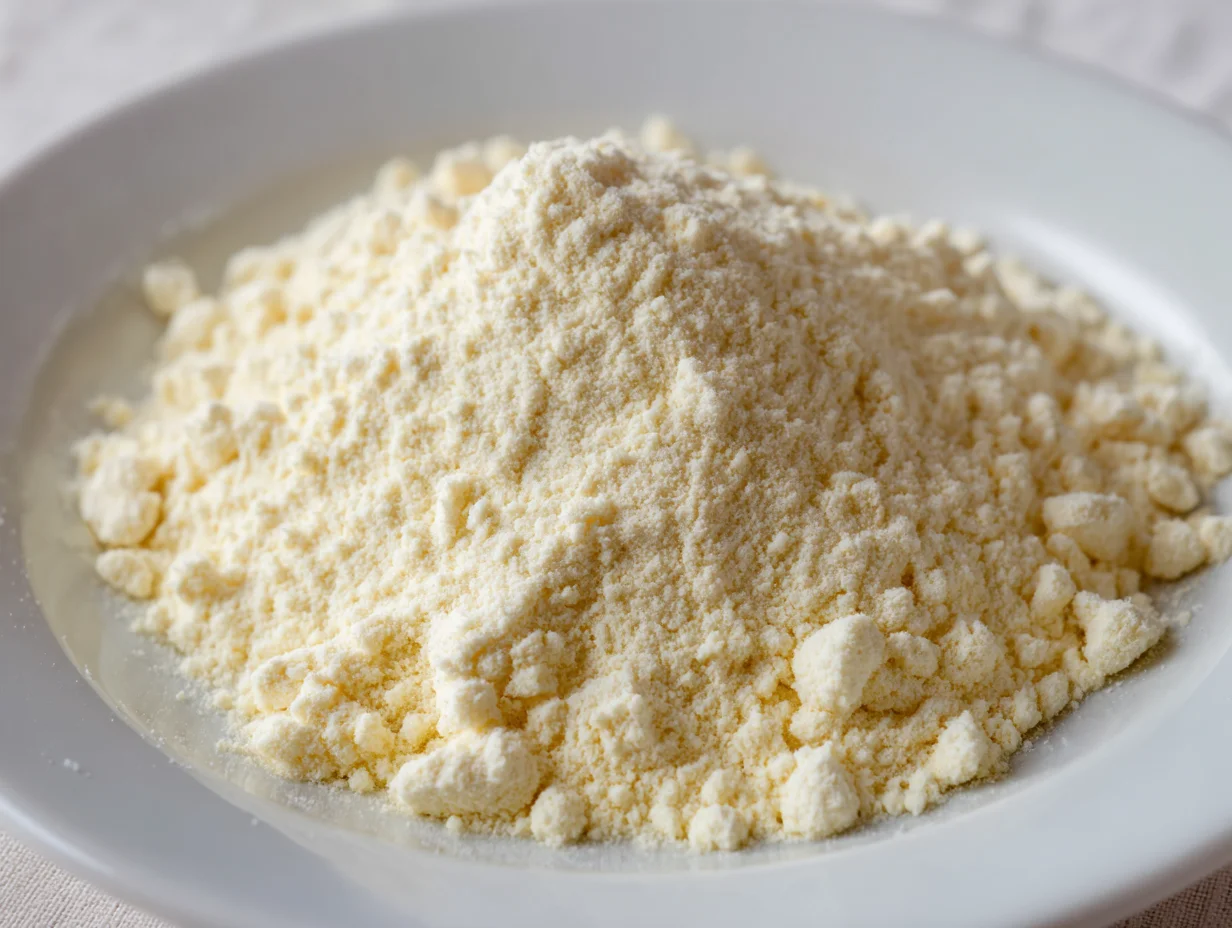
Chickpea flour is one of the most underrated ingredients in global kitchens, yet it carries exceptional nutritional power and culinary versatility. From savory pancakes to crisp fritters, it transforms simple recipes into deeply satisfying, protein-rich meals with minimal effort and maximum flavor impact.
As a professional chef, I consider chickpea flour a foundation ingredient for smart cooking. It is naturally gluten-free, rich in plant-based protein, and incredibly adaptable, making it ideal for both traditional and modern healthy recipes that support balanced eating habits.
What makes chickpea flour truly special is its ability to absorb flavors beautifully while maintaining structure. Whether used in batters, doughs, or binding mixtures, it consistently delivers texture and taste that elevate everyday cooking into something more refined and purposeful.
This recipe is designed for efficiency and nutrition without complexity. It helps you create a reliable base preparation that can be used in multiple dishes, making chickpea flour a staple for quick, healthy, and high-protein meal planning.
Table of Contents
Ingredients You’ll Need
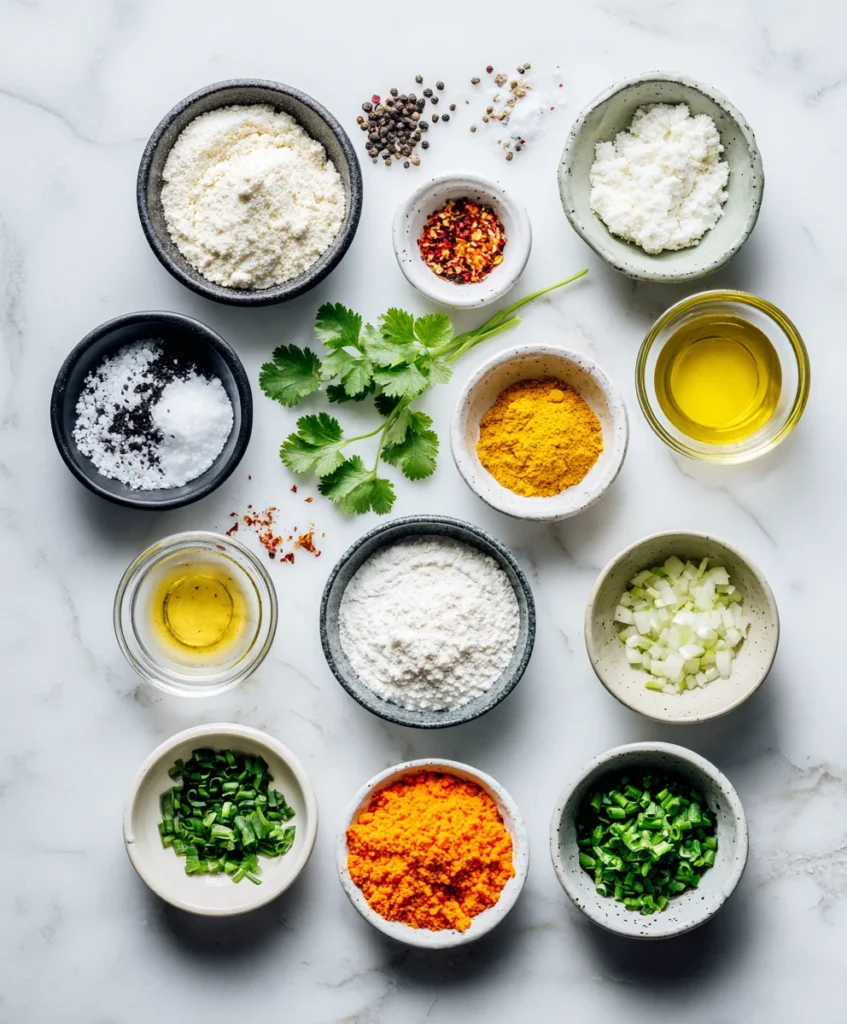
Base Ingredients:
- Chickpea flour * 1 cup
- Water * 1 to 1.25 cups
- Salt * 1/2 tsp
- Black pepper * 1/2 tsp
- Olive oil * 2 tbsp
- Turmeric powder * 1/2 tsp
- Garlic (minced) * 1 tsp
- Onion (finely chopped) * 1/3 cup
- Fresh coriander * 2 tbsp
- Chili flakes * 1/4 tsp
Optional Add-ins:
- Spinach (chopped) * 1 cup
- Green chili (finely chopped) * 1–2 pieces
- Cumin seeds * 1/2 tsp
- Yogurt * 2 tbsp
- Lemon juice * 1 tbsp
- Bell peppers (diced) * 1/2 cup
- Grated carrot * 1/2 cup
Step-by-Step Intrusions
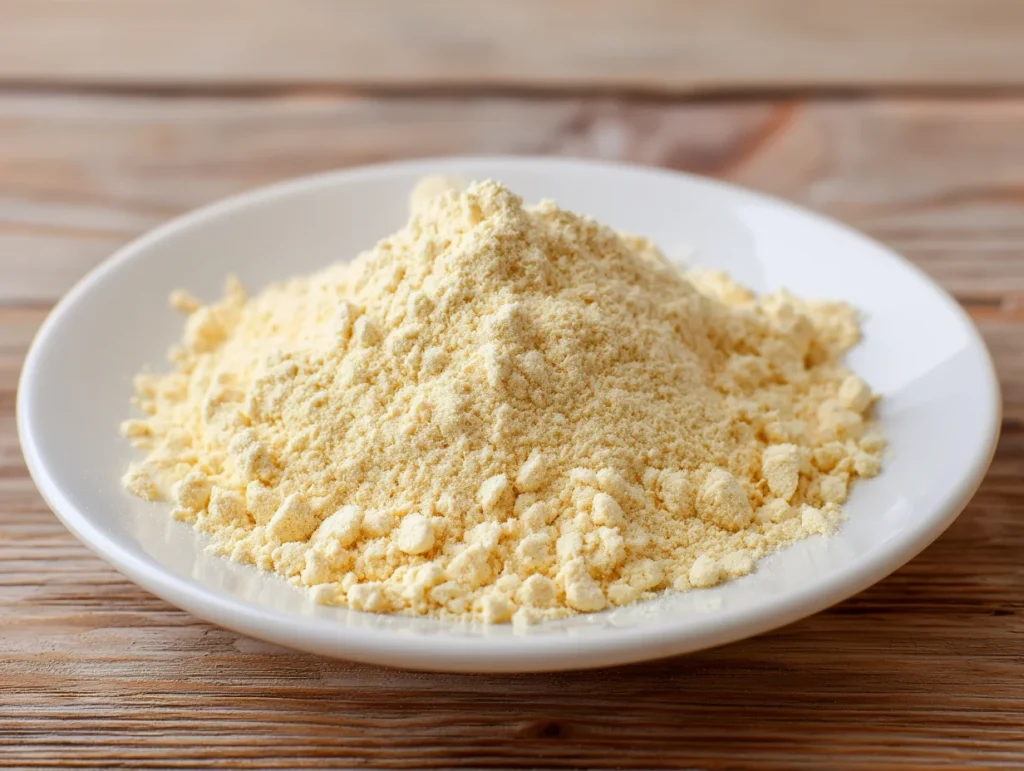
Step 1: Preparing the Chickpea Flour Batter
Begin by sifting chickpea flour into a mixing bowl to remove any lumps and ensure a smooth base. Gradually add water while whisking continuously to form a lump-free batter. The consistency should be smooth yet slightly thick, allowing it to coat ingredients evenly.
Add salt, turmeric, and black pepper at this stage for foundational seasoning. Rest the batter for a few minutes to allow hydration and flavor absorption. This step is crucial because proper batter texture determines the final dish structure and cooking performance.
Step 2: Building Flavor and Texture Base
Heat olive oil in a pan and sauté garlic, onions, and optional cumin seeds until aromatic and lightly golden. This creates a strong flavor foundation for the chickpea flour mixture. Pour the prepared batter into the pan and stir continuously to avoid sticking or clumping.
Cook on medium heat until the mixture thickens and starts forming a cohesive texture. Add chili flakes and optional vegetables like spinach or peppers. This step ensures depth, aroma, and balanced savory character throughout the dish.
Step 3: Final Cooking and Finishing Touch
Continue cooking the mixture while stirring gently to maintain even consistency and avoid burning at the base. Once the batter fully thickens and leaves the sides of the pan, reduce heat and allow it to set.
Add fresh coriander and lemon juice for brightness and freshness. Adjust seasoning if required for final balance. Serve warm for best texture and flavor experience. This step ensures a well-cooked, aromatic chickpea flour preparation suitable for multiple serving styles and meal variations.
Cook Time
Total: 20–25 minutes
Prep: 10 minutes
Bake: Not required
Servings
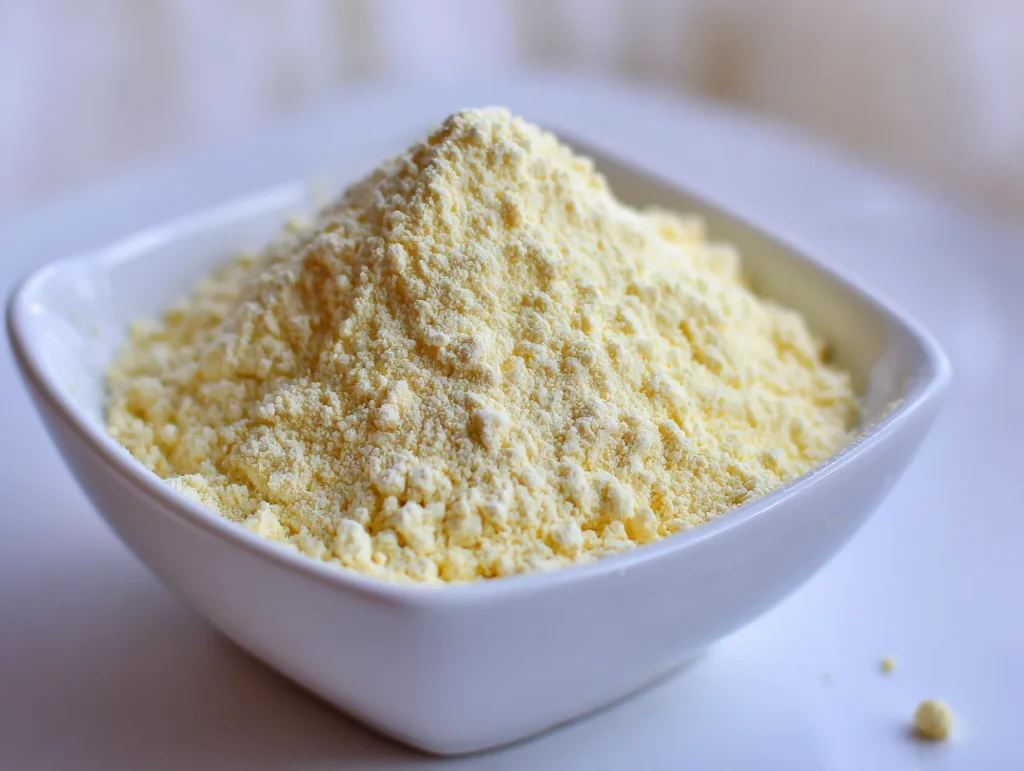
This chickpea flour recipe serves approximately 2 to 3 people depending on portion size. It is ideal for light meals, breakfast options, or quick protein-rich snacks that support daily nutritional requirements without heaviness.
Each serving delivers a balanced combination of protein, fiber, and complex carbohydrates. It is particularly suitable for individuals following gluten-free or plant-based diets, offering sustained energy and improved satiety throughout the day.
The recipe can easily be scaled for larger batches, making it perfect for meal prep, family servings, or weekly planning. Its versatility ensures consistent results regardless of quantity adjustments.
Common Mistake in Chickpea Flour Recipe
One of the most common mistakes is adding water too quickly to chickpea flour, which leads to lumps and uneven batter texture. This affects smoothness and results in poor cooking consistency. Proper gradual mixing is essential for achieving a stable base.
Another frequent issue is not resting the batter. Skipping this step prevents full hydration of the flour, leading to grainy texture and uneven cooking. Resting allows ingredients to bind properly and improves final dish quality significantly.
Many people also overuse oil during cooking, which can make the dish greasy and heavy. Chickpea flour naturally absorbs flavors well, so excessive oil disrupts balance and reduces nutritional value of the preparation.
Lastly, cooking on high heat is a major error. It causes burning at the bottom while leaving the inside undercooked. Controlled medium heat is necessary to achieve even cooking and proper texture development throughout the dish.
Solution to Common Mistake in Chickpea Flour Recipe
To avoid lumps, always add water slowly while whisking continuously. This ensures a smooth, even batter without clumping. Using a hand whisk instead of a spoon improves texture significantly and helps maintain consistency.
Always allow the batter to rest for at least 5–10 minutes. This gives chickpea flour time to absorb water fully, resulting in better binding and improved cooking performance. It also enhances final texture quality.
Use oil in moderation and focus on flavor rather than quantity. A measured amount is enough to build aroma and prevent sticking. This keeps the dish light, healthy, and nutritionally balanced.
Maintain medium heat throughout cooking for even results. Stir consistently to prevent burning and ensure uniform texture development. Controlled temperature is key to achieving a smooth, well-cooked chickpea flour preparation.
Nutritional Information (approx. per serving)
- Calories: 260 kcal
- Protein: 12 g
- Carbohydrates: 30 g
- Fiber: 7 g
- Fat: 9 g
- Sodium: 280 mg
Chickpea flour is naturally rich in plant-based protein, making it excellent for muscle support and energy maintenance. It helps keep you full for longer, reducing unnecessary snacking and supporting weight management goals effectively.
Its high fiber content promotes digestive health and helps regulate blood sugar levels. This makes it suitable for individuals seeking balanced nutrition and steady energy release throughout the day.
Healthy fats from olive oil contribute to heart wellness and nutrient absorption. Combined with spices and vegetables, this dish supports overall immunity and daily wellness naturally.
Storage Instructions
Store cooked chickpea flour preparation in an airtight container once it has cooled completely. Refrigeration helps maintain freshness for up to 2 days without losing flavor or texture quality.
Reheat gently on low heat or in a microwave with a small splash of water. This helps restore softness and prevents dryness, ensuring better eating experience upon serving.
Avoid leaving the dish at room temperature for long periods as it may affect taste and safety. Proper storage is essential for maintaining quality and freshness.
For meal prep, portion the dish into separate containers. This allows easy reheating and ensures consistent texture and flavor across multiple servings throughout the week.
Suggestions
For enhanced flavor, add fresh herbs like coriander or mint just before serving. This boosts aroma and adds freshness to the overall dish profile naturally.
Pair chickpea flour preparation with yogurt or chutney for a complete and satisfying meal experience. This combination improves taste balance and nutritional value effectively.
Experiment with spices like cumin or paprika to customize flavor intensity. These small additions can transform the dish into a more complex and exciting meal option.
Serve warm for best texture and taste. Chickpea flour dishes tend to firm up when cooled, so immediate serving ensures optimal softness and flavor enjoyment.
Seasonal Relevance
In summer, chickpea flour recipes feel light and easy to digest, making them ideal for quick meals that do not feel heavy in hot weather conditions.
During spring, fresh vegetables can be added to enhance color and nutrition, aligning perfectly with seasonal produce availability and lighter eating habits.
In autumn, warming spices like cumin and turmeric make the dish more comforting and suitable for transitional weather and balanced energy needs.
In winter, chickpea flour dishes provide warmth and sustained energy, making them a great protein-rich option for colder days and hearty home meals.
Final Words
Chickpea flour is a powerful ingredient that transforms simple cooking into nutritious, high-value meals. It offers versatility, protein richness, and consistent results for everyday kitchen use.
This recipe demonstrates how basic ingredients can be elevated into something meaningful, healthy, and satisfying with the right technique and attention to detail.
As a chef, I value recipes that are practical yet impactful. Chickpea flour delivers exactly that balance between nutrition, taste, and culinary flexibility.
With proper preparation and care, this dish becomes a reliable part of your cooking routine, offering comfort, health, and consistency in every serving.
Frequently Asked Questions
Can chickpea flour be used without cooking?
No, chickpea flour should always be cooked before consumption. Raw flour has a strong taste and may be hard to digest. Cooking improves flavor, texture, and nutritional absorption, making it safe and enjoyable for regular meals.
Is chickpea flour suitable for gluten-free diets?
Yes, chickpea flour is naturally gluten-free, making it an excellent choice for people with gluten intolerance or celiac conditions. It provides a nutritious alternative to wheat-based flours while maintaining structure and protein content in recipes.
How can I reduce bitterness in chickpea flour recipes?
To reduce bitterness, ensure proper cooking and use balanced seasoning like salt, lemon juice, and spices. Light roasting of chickpea flour before use can also improve flavor and remove any raw or earthy taste effectively.
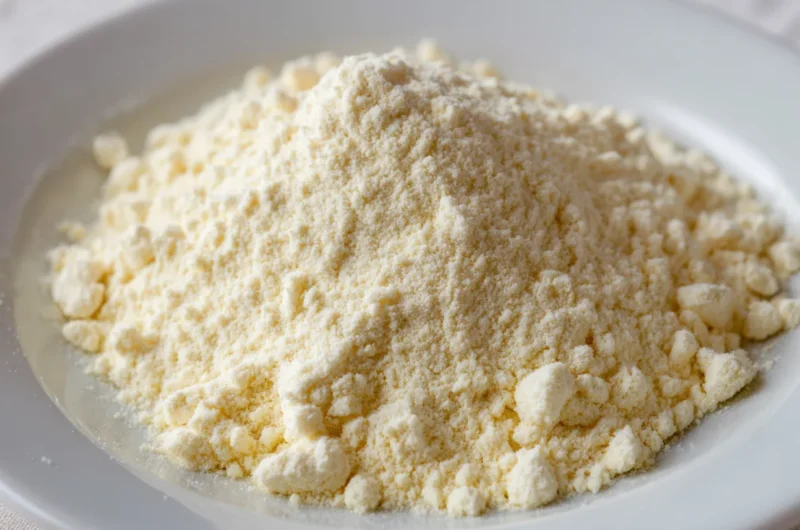
Super Easy Chickpea Flour Recipe
2
servings10
minutes20
minutes260
kcalA super easy chickpea flour recipe made with spices, vegetables, and olive oil. This protein-rich, gluten-free dish is perfect for quick meals, offering balanced nutrition, rich flavor, and satisfying texture in every bite.
Ingredients
Chickpea flour * 1 cup
Water * 1 to 1.25 cups
Salt * 1/2 tsp
Black pepper * 1/2 tsp
Olive oil * 2 tbsp
Turmeric powder * 1/2 tsp
Garlic (minced) * 1 tsp
Onion (finely chopped) * 1/3 cup
Fresh coriander * 2 tbsp
Chili flakes * 1/4 tsp
Spinach (chopped) * 1 cup (optional)
Green chili (finely chopped) * 1–2 pieces (optional)
Cumin seeds * 1/2 tsp (optional)
Yogurt * 2 tbsp (optional)
Lemon juice * 1 tbsp (optional)
Bell peppers (diced) * 1/2 cup (optional)
Grated carrot * 1/2 cup (optional)
Directions
- Whisk chickpea flour with water until smooth and lump-free. Heat olive oil, sauté garlic and onions, then add the batter. Stir continuously on medium heat until thickened. Add spices, vegetables, and herbs. Cook until fully set and aromatic. Finish with lemon juice and serve warm.
Recipe Video
Notes
- Always add water slowly to avoid lumps
- Rest batter for best texture and smooth cooking
- Cook on medium heat for even consistency
- Do not overuse oil to keep it healthy
- Stir continuously to prevent sticking
- Serve fresh for best taste and softness