
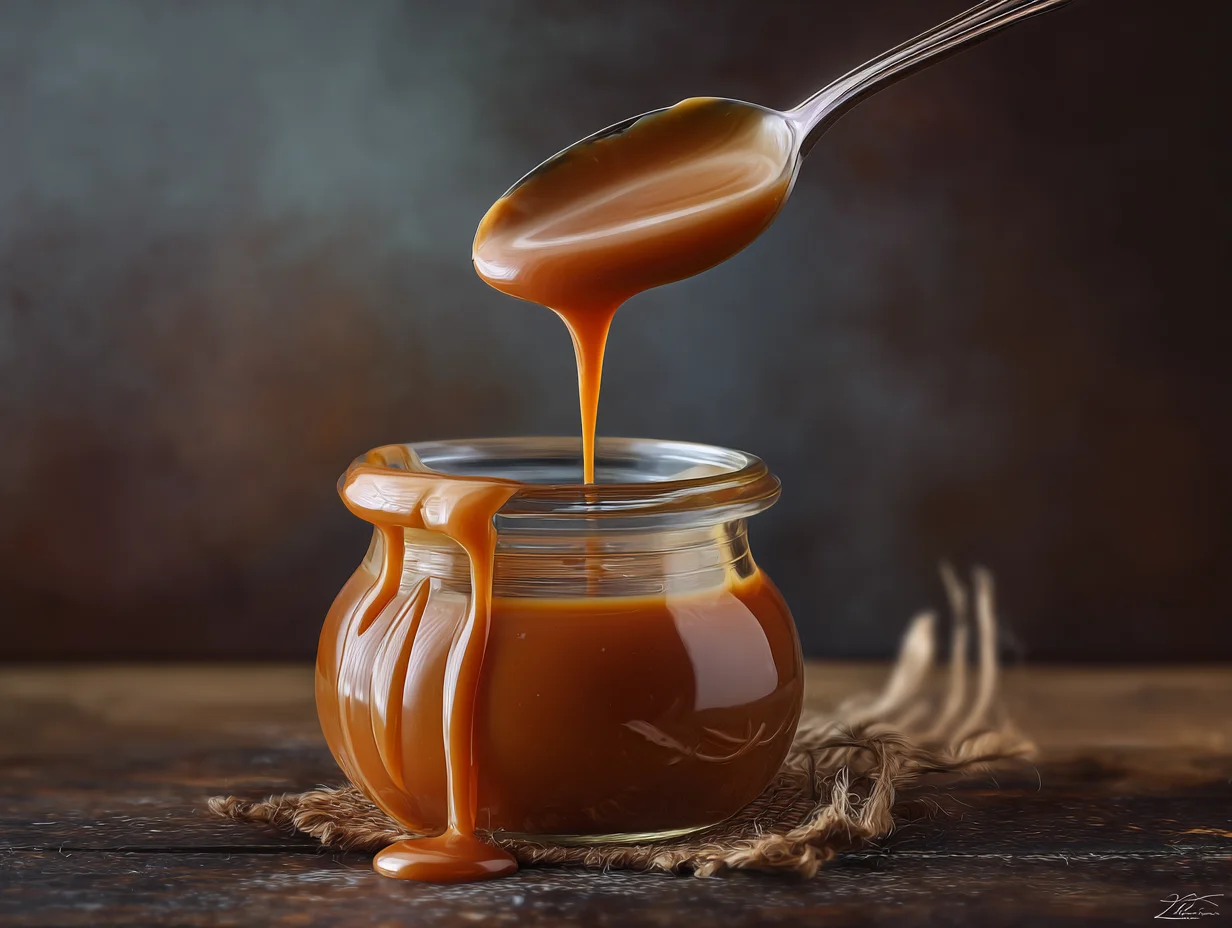
Caramel sauce is the definition of controlled indulgence, where simple sugar is transformed into a deep, golden luxury with precision and timing. It is one of those foundational dessert sauces that separates home cooking from professional pastry execution. When done right, it delivers a silky, glossy finish that enhances everything it touches.
The beauty of caramel lies in its transformation. In just minutes, basic pantry ingredients evolve into a complex, rich sauce with toasted notes and buttery depth. This process requires attention, patience, and understanding of heat control rather than complicated techniques.
Professional chefs value caramel sauce because of its versatility. It can elevate plated desserts, enrich beverages, and add contrast to sweet or savory creations. From fine dining kitchens to home bakeries, it remains a signature element of refined dessert styling.
This recipe is crafted to guide you through precision-based caramel making. Every step is designed to ensure smooth texture, balanced sweetness, and consistent results that reflect true culinary expertise in every drop.
Table of Contents
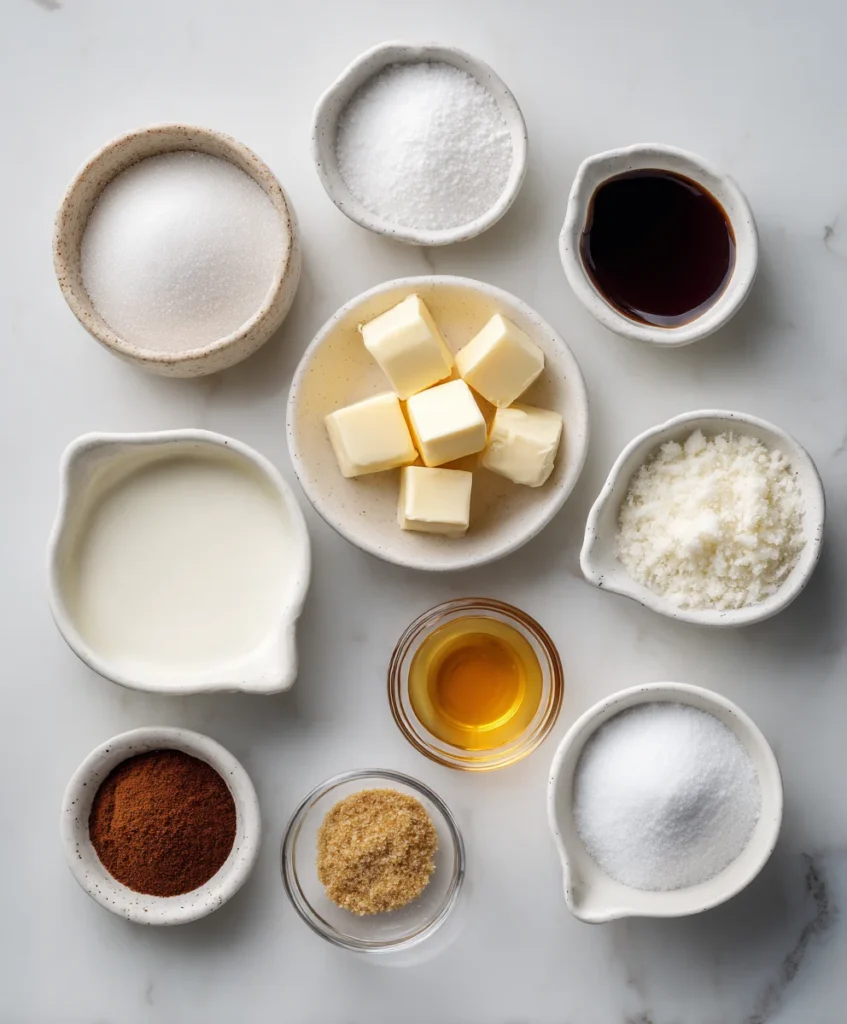
Ingredients You’ll Need
Base Ingredients:
- 1 cup granulated sugar
- 6 tablespoons unsalted butter
- 1/2 cup heavy cream
- 1/4 teaspoon salt
- 1 teaspoon vanilla extract
Optional Add-ins:
- 1 tablespoon brown sugar
- 1/4 teaspoon cinnamon powder
- 1 teaspoon sea salt flakes
- 1 teaspoon espresso powder
Step-by-Step Intrusions
Step 1: Sugar Melting Control
Place granulated sugar in a heavy-bottom pan over medium heat and allow it to melt slowly without rushing the process. The key here is controlled heat, which ensures even caramelization without burning.
Swirl the pan gently instead of stirring aggressively to prevent crystallization. As the sugar transitions from white to amber, observe color changes carefully.
This stage determines the depth of flavor, so precision is critical. Avoid distractions and maintain steady heat for a smooth caramel base.
Step 2: Butter Emulsification
Once the sugar reaches a rich golden color, immediately add unsalted butter. The mixture will bubble intensely, which is normal. Stir continuously until the butter fully incorporates into the caramelized sugar.
This step builds richness and creates the foundation of a creamy texture. Proper emulsification prevents separation later. Maintain moderate heat and ensure all butter melts evenly for a balanced and glossy consistency.
Step 3: Cream Integration
Slowly pour heavy cream into the caramel mixture while stirring constantly to avoid splashing. The sauce will bubble vigorously before settling into a smooth liquid. This step transforms the mixture into a silky sauce.
Cream balances sweetness and adds velvety richness. Continue stirring until fully combined, ensuring no lumps or separation remain. The texture should become uniform and glossy at this stage.
Step 4: Flavor Finishing Touch
Remove the pan from heat and add salt and vanilla extract. Stir gently to distribute flavors evenly throughout the sauce. This final step enhances aroma, depth, and balance.
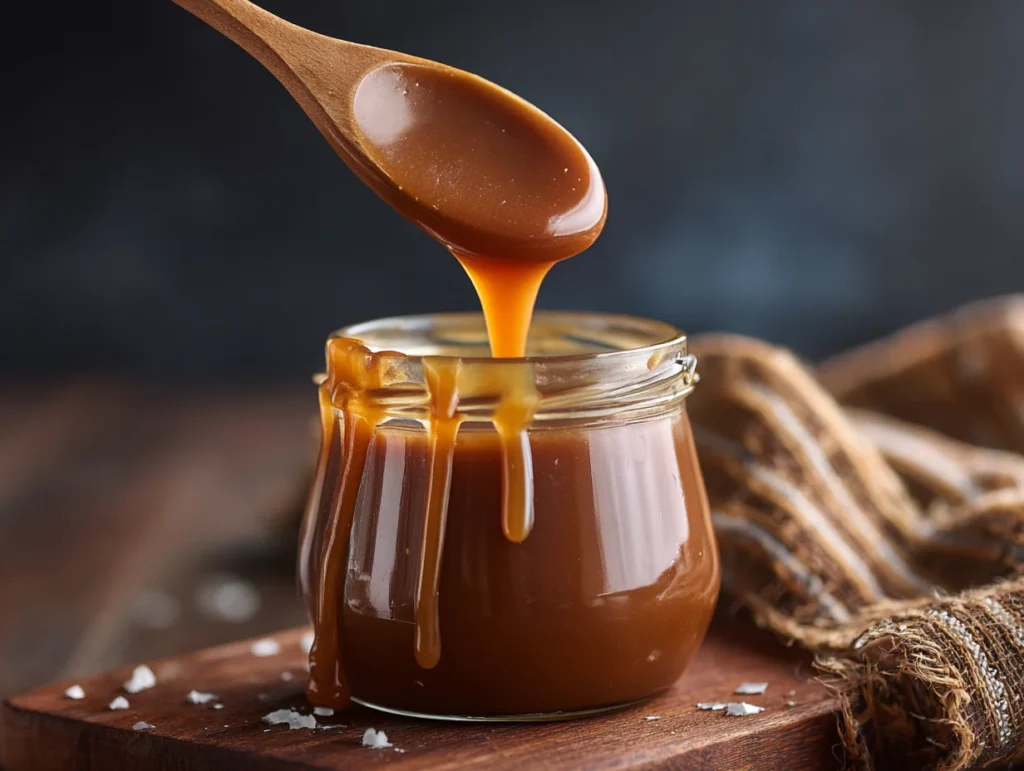
Allow the caramel sauce to rest for a few minutes so it naturally thickens. As it cools, it develops a luxurious, pourable texture perfect for desserts and professional plating applications.
Cook Time
Total: 15 minutes
Prep: 5 minutes
Bake: 0 minutes
Servings
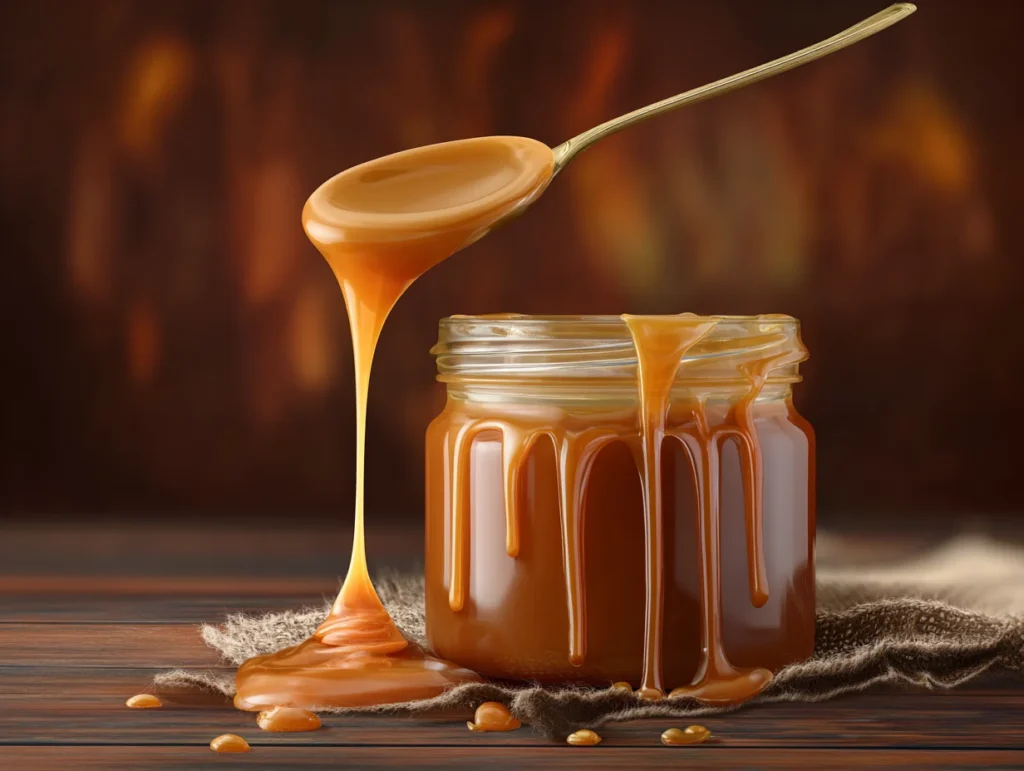
This caramel sauce recipe is designed to deliver a rich and balanced flavor suitable for both home kitchens and professional dessert plating. Its smooth texture makes it ideal for multiple serving styles, from light drizzles to generous pours over desserts.
One batch typically serves around 6 to 8 portions depending on usage. It is perfect for small gatherings, family desserts, or individual plating where controlled sweetness and elegance are required for presentation.
The recipe can easily be scaled up or down without affecting quality. Whether used in small quantities or large batches, it maintains its signature smooth texture and consistent flavor profile across all servings.
Common Mistake in Caramel Sauce Preparation
One major mistake in caramel sauce preparation is rushing the sugar melting process. Many cooks increase heat to speed things up, which results in uneven caramelization and a bitter burnt taste that ruins the sauce’s delicate flavor profile.
Another frequent error is stirring the sugar too early. This causes crystallization, leading to a grainy texture instead of a smooth, glossy finish. Proper technique requires gentle swirling rather than constant stirring during melting.
Incorrect butter addition timing is also a common issue. Adding butter too late or at inconsistent temperature can disrupt emulsification, causing separation and uneven texture in the final sauce. Timing is crucial for stability.
Lastly, many people add cream too quickly or while the mixture is extremely hot, which leads to splattering and unstable texture formation. This reduces both safety and quality of the final caramel sauce.
Solution to Common Mistake in This Recipe
To avoid burning, always melt sugar on medium heat and monitor color closely. Remove from heat immediately when it reaches a deep amber tone to preserve sweetness and avoid bitterness. Precision ensures balanced flavor development.
Prevent crystallization by avoiding unnecessary stirring. Instead, gently swirl the pan to distribute heat evenly. Using a clean, dry pan also helps maintain smooth sugar melting without grain formation during the process.
For proper emulsification, add butter immediately once caramel forms and ensure it is fully incorporated before adding cream. Maintain steady heat and stir continuously for a stable, glossy texture without separation.
When adding cream, pour slowly in small amounts while stirring constantly. Slightly warming the cream beforehand improves integration, reduces splashing, and ensures a smooth, professional-quality caramel sauce consistency.
Nutritional Information (approx. per serving)
- Calories: 150 kcal
- Fat: 9 g
- Carbohydrates: 18 g
- Sugar: 17 g
- Protein: 0.5 g
Caramel sauce provides quick energy due to its natural sugar content, making it an effective flavor enhancer for desserts. It should be consumed in moderation due to its concentrated sweetness level.
The butter and cream contribute richness and satiety, offering a luxurious mouthfeel that elevates simple desserts into premium culinary experiences. This makes it ideal for occasional indulgence.
When used in controlled portions, it enhances dessert satisfaction without overwhelming nutritional balance. Its intense flavor means only a small amount is needed for maximum impact.
It is best used as a finishing sauce rather than a primary ingredient, ensuring flavor enhancement without excessive calorie intake.
Storage Instructions
Caramel sauce should always be stored in a clean, airtight glass container to maintain freshness and texture stability. Proper sealing prevents moisture absorption and keeps flavor intact.
Refrigeration is essential for preserving quality. When stored correctly, the sauce remains fresh for up to two weeks without losing its signature smoothness or rich taste profile.
If the sauce thickens after refrigeration, gently reheat it using a warm water bath or low heat. Stir slowly until it regains its pourable consistency without breaking.
Avoid storing in metal containers, as they may affect flavor stability. Proper storage ensures long-lasting quality and consistent texture for repeated use in desserts.
Suggestions
Caramel sauce pairs perfectly with vanilla ice cream, creating a classic dessert combination that enhances both creaminess and richness. It adds instant luxury to simple desserts.
It is also excellent for pancakes, waffles, and French toast, where its smooth texture enhances breakfast dishes with a gourmet-style finish and deep sweetness.
For beverages, it blends beautifully into coffee, creating a homemade caramel latte experience. It adds warmth, sweetness, and depth to hot drinks effortlessly.
It can also be used for cake decoration or cheesecake topping, improving both presentation and flavor profile with a professional dessert aesthetic.
Seasonal Relevance
Caramel sauce is a versatile dessert component suitable for all seasons. In winter, it enhances warm desserts, puddings, and baked treats with rich comfort.
During summer, it pairs well with cold desserts like ice cream and chilled cakes, offering a sweet contrast to refreshing dishes.
In spring, it complements light desserts and fruit-based recipes, adding subtle sweetness without overpowering natural flavors.
In autumn, its deep, toasted notes align perfectly with spiced desserts, making it a seasonal favorite for cozy recipes.
Final Words
Caramel sauce represents the perfect balance of simplicity and technical precision. It transforms basic ingredients into a luxurious culinary element when executed correctly.
Mastering caramel builds essential cooking skills such as heat control, timing, and texture management, which are vital for advanced dessert preparation.
Its versatility allows it to enhance countless dishes, from simple home desserts to professional plating presentations, making it an essential kitchen staple.
Once perfected, this sauce becomes a signature element in your cooking style, consistently delivering elegance, richness, and unforgettable flavor.
Frequently Asked Questions
Why does my caramel sauce turn grainy sometimes?
Grainy caramel usually happens due to sugar crystallization caused by early stirring or impurities in the pan. Using a clean pan and avoiding excessive stirring during melting helps maintain a smooth texture. Swirling the pan gently ensures even heating and prevents sugar crystals from forming.
Can I fix caramel sauce if it becomes too thick?
Yes, you can fix thick caramel by gently reheating it over low heat and adding a small amount of warm cream or milk. Stir continuously until the sauce returns to a smooth, pourable consistency without separating or losing its glossy texture.
What is the best sugar type for caramel sauce?
Granulated white sugar is best for caramel sauce because it melts evenly and provides consistent caramelization. It allows better control over color and flavor development compared to raw or powdered sugars, ensuring a smooth and professional-quality final result.
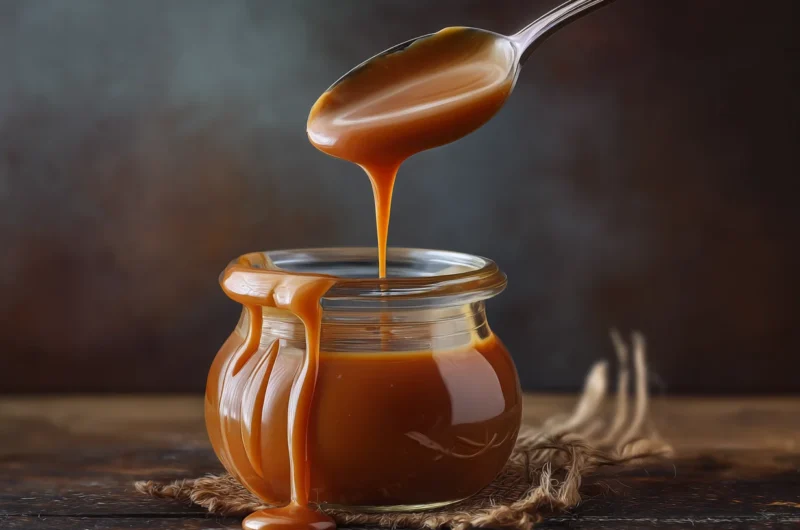
Caramel Sauce Recipe So Smooth and Sweet
6
servings5
minutes15
minutes150
kcalA rich, smooth, and glossy caramel sauce made by carefully melting sugar into a deep golden syrup, then blending with butter and cream for a silky texture. Perfect for desserts, drinks, and gourmet finishing touches.
Ingredients
1 cup granulated sugar
6 tablespoons unsalted butter
1/2 cup heavy cream
1/4 teaspoon salt
1 teaspoon vanilla extract
Optional Add-ins:
1 tablespoon brown sugar
1/4 teaspoon cinnamon powder
1 teaspoon sea salt flakes
1 teaspoon espresso powder
Directions
- Heat granulated sugar in a heavy-bottom pan over medium heat until it melts into a golden amber color. Gently swirl the pan to ensure even caramelization. Add butter carefully and stir until fully melted and smooth. Slowly pour in heavy cream while stirring continuously until the mixture becomes silky and uniform. Remove from heat, then add salt and vanilla extract. Mix well and let it rest for a few minutes before serving for best texture and flavor.
Recipe Video
Notes
- Always melt sugar on medium heat for controlled caramelization
- Avoid stirring sugar too early to prevent crystallization
- Add cream slowly to avoid splattering and separation
- Use heavy-bottom pan for even heat distribution
- Let sauce rest to achieve perfect thickness and shine
- Store in airtight glass container in refrigerator up to 2 weeks
- Reheat gently before use if it thickens
- Best served warm or slightly cooled for ideal consistency