
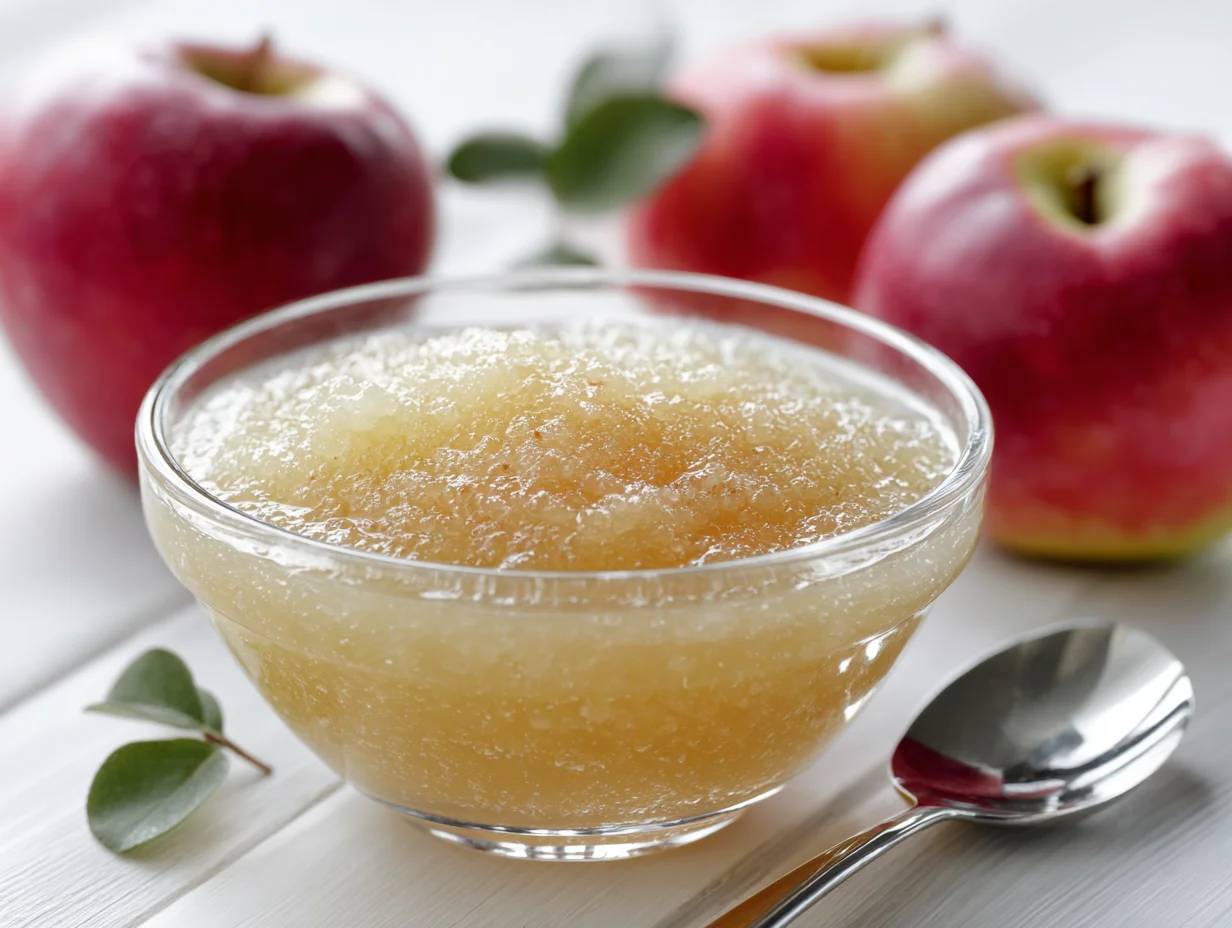
Apple sauce is more than a simple fruit puree; it is a comforting expression of warmth, tradition, and balance. When prepared correctly, it captures the essence of fresh apples and transforms them into a silky, aromatic sauce that feels both nostalgic and refined.
The secret behind exceptional apple sauce lies in selecting the right apples and controlling the cooking process. A perfect blend of sweet and tart varieties creates depth, while slow simmering enhances natural sugars without overpowering the fruit’s integrity.
Unlike processed versions, homemade apple sauce offers purity of flavor and texture. Every spoonful reflects careful preparation, where spices are subtle, consistency is smooth, and the natural apple essence remains the highlight of the dish.
This recipe is crafted to deliver a professional-quality apple sauce that is versatile, wholesome, and deeply satisfying. Whether served warm or chilled, it elevates both everyday meals and gourmet desserts with effortless elegance.
Table of Contents
Ingredients You’ll Need
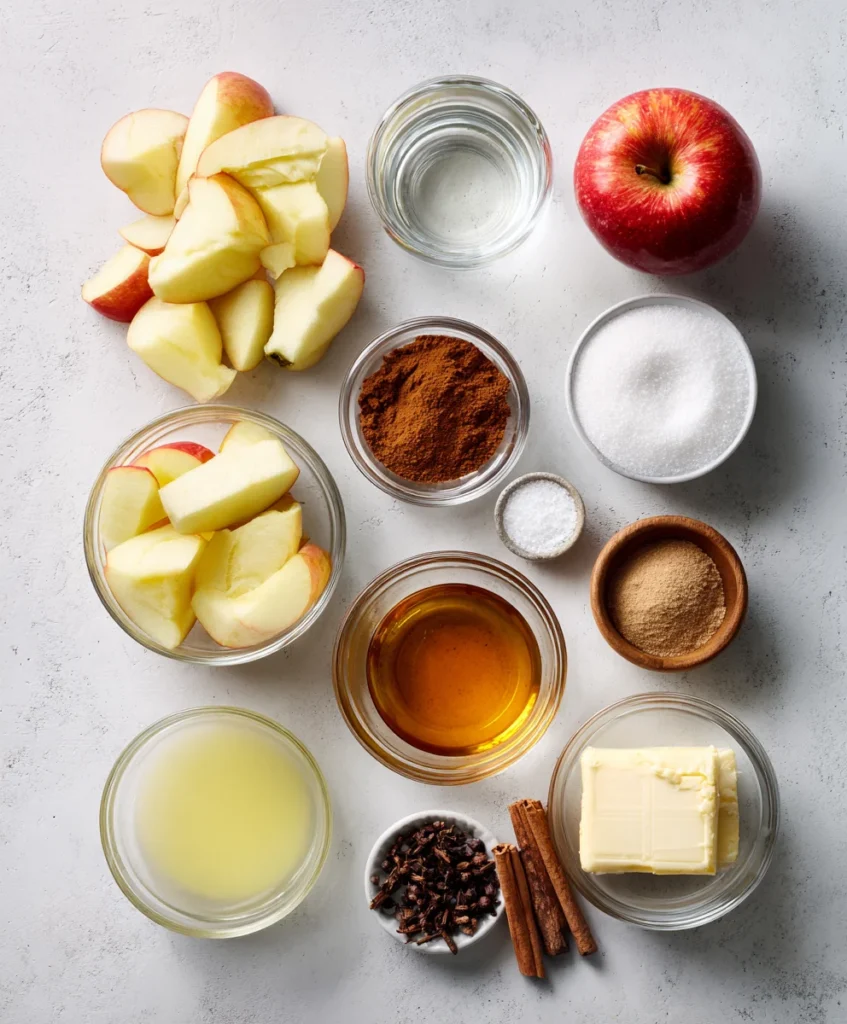
Base Ingredients:
- 6 medium apples (peeled, cored, chopped) *
- 1/2 cup water *
- 1/4 cup granulated sugar *
- 1 teaspoon cinnamon *
- 1 tablespoon lemon juice *
- 1/4 teaspoon salt *
Optional Add-ins:
- 1/2 teaspoon nutmeg *
- 1 teaspoon vanilla extract *
- 1 tablespoon butter *
- 1–2 tablespoons honey *
- 1/4 teaspoon cloves *
Step-by-Step Intrusions
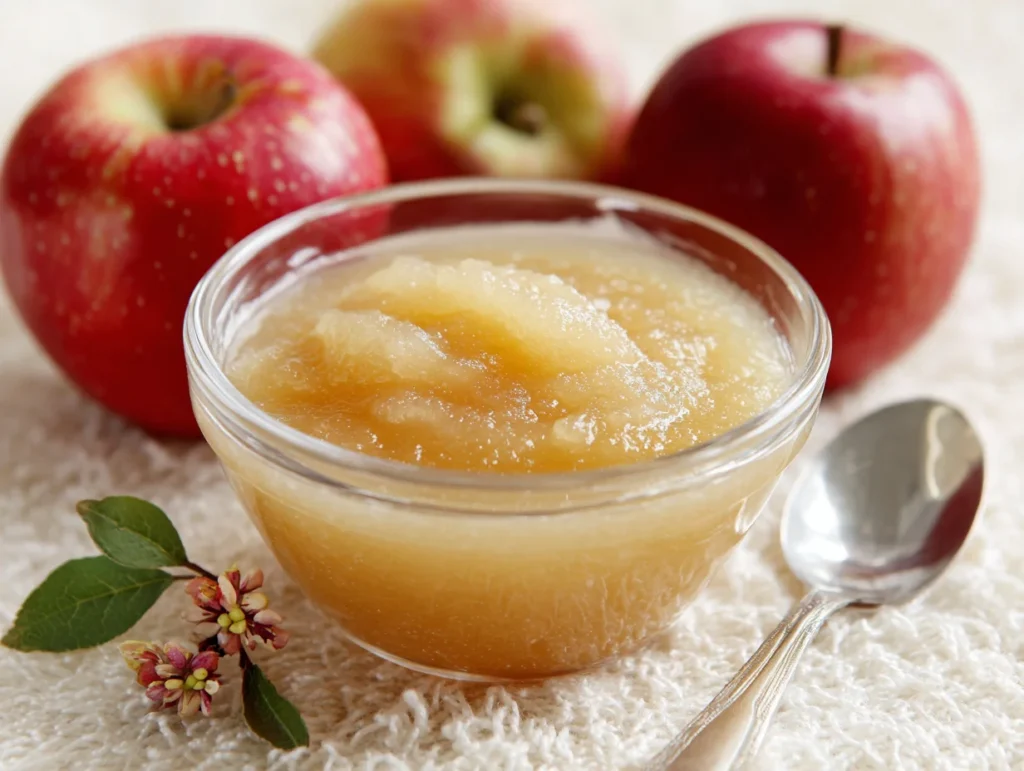
Step 1: Apple Selection & Preparation
Start by selecting fresh apples with a balanced sweet-tart profile, such as a mix of sweet and slightly acidic varieties. Peel, core, and chop them into even pieces to ensure uniform cooking.
Proper preparation is essential because uneven sizes lead to inconsistent softness and texture. Place the chopped apples in a bowl with lemon juice immediately to prevent browning and maintain natural color.
This step ensures the base flavor remains clean, bright, and naturally aromatic throughout the cooking process.
Step 2: Initial Cooking & Softening
Transfer prepared apples into a heavy-bottom saucepan and add water, sugar, salt, and cinnamon. Cook over medium heat, stirring occasionally to prevent sticking. As the apples begin to soften, they will release natural juices that blend with spices, creating a warm aromatic base.
This stage is crucial for developing depth of flavor. Avoid rushing the process, as slow cooking ensures the apples break down evenly while preserving their natural sweetness and achieving a smooth, cohesive texture.
Step 3: Mashing & Texture Development
Once apples are fully soft and tender, reduce heat and begin mashing using a spoon, potato masher, or blender depending on desired consistency. For rustic texture, gentle mashing is ideal; for smooth apple sauce, blend thoroughly.
At this stage, optional ingredients like vanilla, nutmeg, or butter can be added for richness. The goal is to achieve a silky, lump-free consistency while maintaining the natural apple character and balanced sweetness without overpowering spices.
Step 4: Final Simmer & Flavor Adjustment
Allow the mashed mixture to simmer on low heat for a few additional minutes. This step helps deepen flavor and refine texture. Taste and adjust sweetness or spice levels according to preference. Stir continuously to ensure even consistency and prevent burning at the bottom.
Once the sauce reaches a thick, smooth, and glossy finish, remove from heat. Proper finishing ensures a professional-quality apple sauce that is rich, balanced, and ready for serving or storage.
Cook Time
Total: 30 minutes
Prep: 10 minutes
Bake: Not required
Servings
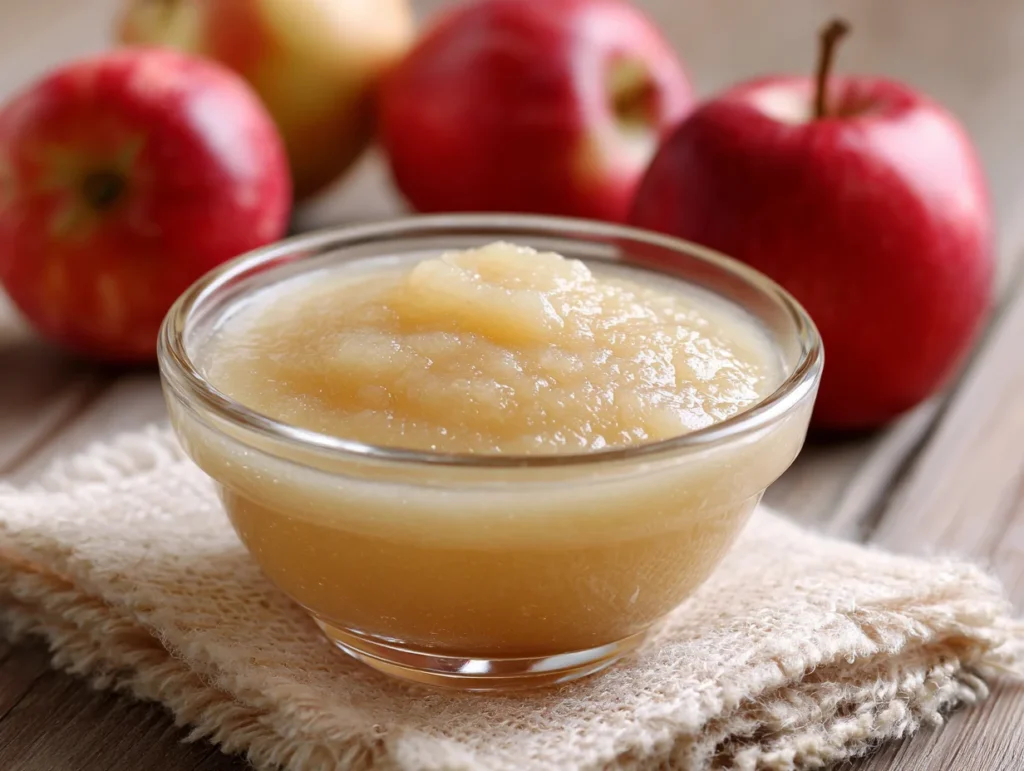
This apple sauce recipe is designed to deliver consistent results for both family meals and professional use. It produces a generous quantity suitable for multiple servings while maintaining smooth texture and balanced flavor in every portion.
Each serving offers a naturally sweet and lightly spiced profile, making it ideal for breakfast bowls, desserts, or savory pairings. The consistency remains stable whether served warm or chilled.
When prepared correctly, every spoonful delivers comfort, warmth, and a refined apple flavor that enhances both simple and gourmet dishes effortlessly.
Common mistake in Apple Sauce Recipe
One common mistake is using only one type of apple without considering flavor balance. This often results in a sauce that is either too sweet or too tart, lacking depth and complexity in taste.
Another issue is overcooking the apples at high heat. This breaks down natural flavors too quickly and can lead to a watery or overly mushy texture that lacks structure and richness.
Adding too much sugar is also a frequent error. It masks the natural apple flavor and turns the sauce overly sweet, removing the fresh fruit character that defines high-quality apple sauce.
Skipping proper stirring during cooking can cause uneven softening and burning at the bottom of the pan, affecting both taste and final texture significantly.
Solution common mistake in Apple Sauce Recipe
To avoid flavor imbalance, always combine sweet and tart apple varieties. This creates natural depth and ensures a well-rounded taste profile without relying heavily on added sugar.
Maintain medium to low heat throughout cooking. Slow simmering allows apples to soften evenly while preserving natural flavor and preventing breakdown into watery consistency.
Control sweetness by adding sugar gradually and tasting during cooking. This ensures the natural apple essence remains dominant while achieving balanced flavor.
Stir regularly using gentle motions to prevent sticking and ensure even cooking. This helps maintain smooth texture and avoids burnt flavors at the base of the pan.
Nutritional Information (approx. per serving)
- Calories: 95 kcal
- Carbohydrates: 24 g
- Sugar: 18 g
- Fiber: 3 g
- Fat: 0.5 g
- Protein: 0.3 g
Apples provide natural fiber that supports digestion and helps maintain gut health when consumed regularly in moderate portions.
The presence of antioxidants in apples contributes to overall wellness by supporting immune function and reducing oxidative stress in the body.
Low fat content makes this apple sauce a light and healthy option suitable for balanced diets and everyday consumption.
Natural fruit sugars offer steady energy release, making it a wholesome alternative to processed sweet spreads and desserts.
Storage Instructions
Once cooled completely, apple sauce should be stored in an airtight container to preserve freshness and prevent contamination. Proper sealing maintains both flavor and texture integrity.
Refrigeration is recommended for short-term storage, allowing the sauce to stay fresh for up to one week while retaining its smooth consistency and natural aroma.
For long-term storage, freezing is highly effective. Store in freezer-safe containers with space for expansion to maintain quality and prevent texture changes.
Before serving, thaw refrigerated or frozen apple sauce gently and stir well to restore its original smooth and even consistency.
Suggestions
For enhanced flavor, serve apple sauce warm with a sprinkle of cinnamon or nutmeg. This enhances its aromatic profile and deepens seasonal warmth.
Pair it with pancakes, waffles, or oatmeal for a naturally sweet topping that replaces processed syrups while maintaining wholesome flavor.
It also works beautifully as a side for roasted meats, where its sweetness balances savory richness and enhances overall dish complexity.
For dessert applications, use it as a filling in pastries or cakes to add moisture and natural fruit sweetness without artificial additives.
Seasonal Relevance
Apple sauce is most popular during autumn when apples are harvested at peak ripeness. This season ensures maximum flavor intensity and natural sweetness.
Freshly harvested apples provide better texture and aroma, making seasonal preparation essential for achieving authentic taste and quality results.
During colder months, apple sauce becomes a comforting staple, offering warmth and nostalgic flavor that suits seasonal meals perfectly.
Even outside peak season, stored apples can be used effectively to maintain consistent quality with slight adjustments in sweetness and spice levels.
Finl Words
Apple sauce is a timeless recipe that transforms simple fruit into a comforting and versatile culinary base. Its beauty lies in its simplicity and depth of natural flavor.
Every step, from apple selection to final simmering, plays a crucial role in achieving a smooth, balanced, and aromatic result. Precision ensures quality.
This recipe delivers consistency and professional-level results, making it suitable for both home kitchens and advanced culinary use without complexity.
When prepared with care, apple sauce becomes more than a side dish, it becomes a warm, flavorful expression of seasonal comfort and tradition.
Frequently Asked Questions
Can I make apple sauce without adding sugar?
Yes, apple sauce can be made without sugar if naturally sweet apples are used. The natural fruit sugars are often sufficient. However, balancing sweet and tart apples is important to maintain depth of flavor and avoid a bland taste profile.
What type of apples work best for apple sauce?
A mix of sweet and tart apples works best, such as combining naturally sweet varieties with slightly acidic ones. This balance creates a richer, more complex flavor and prevents the sauce from becoming overly sweet or too sharp in taste.
Can apple sauce be used in baking recipes?
Yes, apple sauce is commonly used as a natural substitute for fats or oils in baking. It adds moisture, mild sweetness, and a soft texture to cakes, muffins, and breads while reducing overall fat content in recipes.
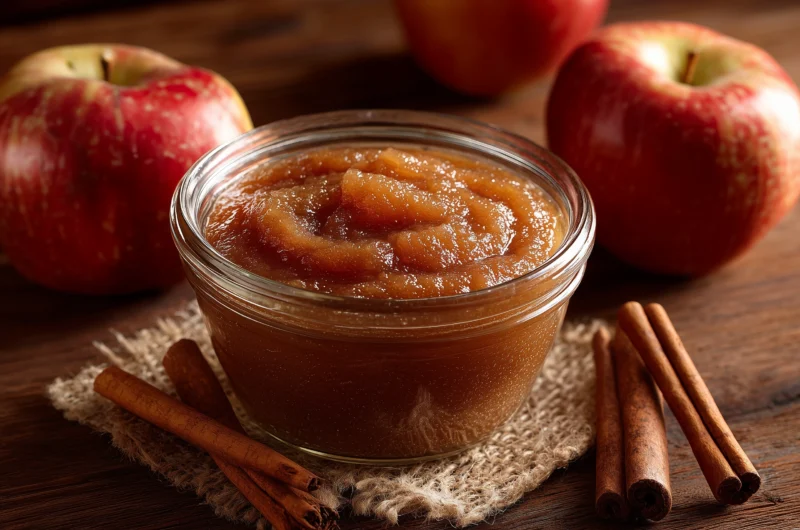
Apple Sauce Recipe That Taste Like Fall
8
servings10
minutes30
minutes95
kcalA warm, comforting homemade apple sauce made with fresh apples, light spices, and natural sweetness. Smooth, naturally rich, and perfect as a side, dessert base, or healthy topping with a soft fall-inspired flavor.
Ingredients
6 medium apples (peeled, cored, chopped) *
1/2 cup water *
1/4 cup granulated sugar *
1 teaspoon cinnamon *
1 tablespoon lemon juice *
1/4 teaspoon salt *
Optional Add-ins:
1/2 teaspoon nutmeg *
1 teaspoon vanilla extract *
1 tablespoon butter *
1–2 tablespoons honey *
1/4 teaspoon cloves *
Directions
- Peel, core, and chop apples evenly. Add apples to a saucepan with water, sugar, lemon juice, salt, and cinnamon. Cook over medium heat until soft, stirring occasionally. Mash or blend to desired texture. Add optional ingredients for extra flavor, then simmer briefly until thick and smooth. Remove from heat and cool before serving or storing.
Recipe Video
Notes
- Use mixed apple varieties for balanced sweet and tart flavor
- Cook on medium-low heat to prevent burning
- Adjust sugar based on apple natural sweetness
- For smooth texture, blend instead of mashing
- Store properly to maintain freshness and flavor